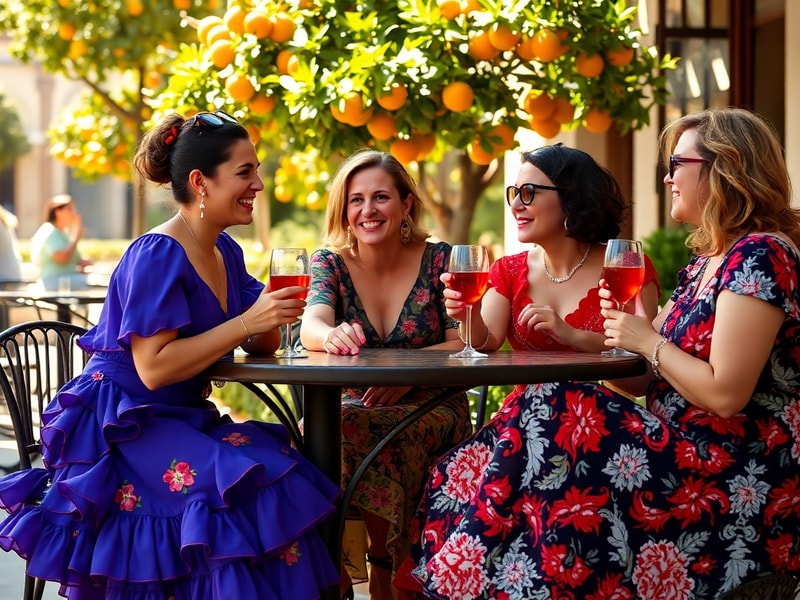
Spain has long been recognized for its vibrant culture, historic landmarks, and culinary excellence. Yet beneath these celebrated traditions lies a less-discussed narrative—the evolving role of women in Spanish society. From the fields of sports to the halls of political power, Spanish women have steadily carved out space for themselves, often overcoming systemic barriers to achieve remarkable milestones. Their contributions are not merely footnotes in history but pivotal chapters that continue to shape the nation’s identity.
The Rise of Spanish Women in Sports
Spanish women have transformed the country’s sporting landscape, turning passion into profession and perseverance into triumph. While Spain’s football team captured global attention with their 2023 FIFA Women’s World Cup victory, this was only the latest in a series of groundbreaking achievements across multiple disciplines. The rise of women’s sports in Spain reflects broader societal shifts toward gender equality, investment in female athletes, and shifting public perceptions of women in competitive arenas.
Football remains the most visible example. The Spanish women’s national team, known as La Roja, delivered a historic performance in Australia and New Zealand, defeating powerhouses like Japan and Sweden on their way to the title. This victory was more than a sporting achievement—it was a cultural statement. It followed years of grassroots development, increased media coverage, and corporate sponsorships that finally began to match the investment in men’s football.
- La Liga Femenina: Spain’s top women’s football league has grown exponentially in quality and viewership. Clubs like FC Barcelona Femení and Real Madrid Femenino now draw thousands of fans to stadiums and millions of viewers online. Barcelona’s women’s team won the UEFA Women’s Champions League in 2021 and 2023, setting a new standard for excellence.
- Basketball dominance: Spain’s women’s basketball team has been a European powerhouse for decades. With stars like Astou Ndour and Silvia Domínguez leading the way, the team won bronze at the 2016 Rio Olympics and consistently ranks among the top five in the FIBA World Rankings.
- Tennis breakthroughs: Garbiñe Muguruza and Carla Suárez Navarro have been instrumental in elevating Spanish tennis on the global stage. Muguruza’s 2016 French Open and 2022 Wimbledon titles remain landmark moments in Spanish sports history.
These accomplishments are not isolated successes. They are the result of deliberate policies, such as the 2022 Royal Decree requiring Spanish football clubs to invest in women’s teams, and grassroots programs that encourage girls to participate in sports from an early age. The impact extends beyond trophies—it influences how young girls envision their futures and challenges outdated stereotypes about femininity and athleticism.
Political Representation: Women Shaping Spain’s Future
Spain has become a global leader in gender parity within government. As of 2024, women hold over 44% of seats in the Spanish Congress, placing Spain among the top five countries worldwide for female political representation. This progress is the result of decades of activism, legislative reforms, and a cultural shift toward recognizing women’s right to participate in governance.
The 2023 general election was a defining moment. For the first time in Spanish history, a woman—Socialist Party leader Adriana Lastra—served as the Deputy Prime Minister, while Yolanda Díaz, leader of the Sumar coalition, became the country’s first female Vice President. Their rise symbolized a new phase in Spanish politics, one where women are not just participants but architects of national policy.
This political momentum began with the Organic Law of Gender Equality in 2007, which mandated gender parity in electoral lists. Subsequent reforms, including the 2022 Equality Law, reinforced these measures by requiring balanced representation in public institutions and private corporations. Spain’s commitment to gender parity has not only increased women’s presence in government but also improved policies related to childcare, domestic violence, and workplace equality.
Yet challenges remain. Women still face underrepresentation in leadership roles within political parties, and gender-based violence continues to be a pressing issue. Organizations like the Women’s Institute (Instituto de la Mujer) work to address these gaps through education, legal reform, and public campaigns. The message is clear: while Spain has made historic strides, the journey toward full equality is ongoing.
Cultural Icons: Spanish Women in Film, Music, and the Arts
From the surrealist paintings of Remedios Varo to the soulful voice of Rosalía, Spanish women have left an indelible mark on the arts. Their work transcends borders, blending tradition with innovation and earning global acclaim. In film, theatre, and music, these women are not just contributors—they are visionaries redefining Spanish creativity.
Penélope Cruz remains Spain’s most internationally recognized actress, with a career spanning Hollywood and European cinema. Her collaborations with directors like Pedro Almodóvar have brought Spanish stories to global audiences. Meanwhile, actresses like Blanca Portillo and Belén Cuesta have gained critical acclaim for their roles in films like Pain and Glory and The Good Boss, showcasing the depth of Spanish talent.
In music, Rosalía’s fusion of flamenco with contemporary pop has redefined the genre. Her 2018 album El Mal Querer became a cultural phenomenon, blending traditional copla with electronic beats and earning two Latin Grammy Awards. Similarly, female producers and DJs like La Zowi and Ms Nina are reshaping Spain’s electronic music scene, proving that women are not just participants but pioneers in the industry.
Visual arts have also seen a renaissance led by women. Artists like Cristina Iglesias and Susana Solano have gained international recognition for their sculptural work, challenging conventional notions of form and material. Their success reflects a broader trend: Spanish women artists are increasingly gaining visibility in major galleries and biennials, from Madrid’s Reina Sofía to the Venice Biennale.
These cultural figures do more than entertain—they challenge norms, inspire younger generations, and contribute to a richer, more diverse artistic landscape. Their work serves as a reminder that Spain’s cultural legacy is not monolithic but shaped by the voices of women across generations.
Challenges and Opportunities: The Road Ahead
Despite the progress, Spanish women continue to face systemic challenges. The gender pay gap in Spain remains at approximately 12%, according to Eurostat, with women earning less than men in nearly every sector. In STEM fields, women represent only 25% of researchers, and their representation in executive roles in corporate Spain hovers around 20%. These disparities highlight the need for continued policy intervention and cultural change.
One of the most pressing issues is gender-based violence. Spain has one of the highest rates of femicide in Europe, with 49 women killed by their partners or ex-partners in 2023. The government’s VioGén system, which monitors aggressors, and the 016 helpline have provided critical support, but advocates argue that prevention and education must begin earlier in schools and communities.
On a more hopeful note, Spain is taking bold steps to address these issues. The 2023 Comprehensive Law Against Gender Violence expands protections for victims and introduces harsher penalties for offenders. Additionally, initiatives like the Mujeres Tech program aim to increase female participation in technology and entrepreneurship, offering mentorship and funding to women-led startups.
Another opportunity lies in the intersection of tourism and gender equality. Spain’s booming tourism industry could serve as a platform to promote women’s empowerment, particularly in rural areas where traditional gender roles remain entrenched. Projects like Rutas de las Mujeres highlight female artisans, guides, and entrepreneurs, offering travelers authentic experiences while supporting local economies.
The path forward will require collaboration between government, private sector, and civil society. Spain’s progress in women’s rights has been undeniable, but the work is far from complete. The goal is not just representation but real, measurable equality—where women’s contributions are valued, protected, and celebrated in every sphere of life.
Conclusion
Spain’s women are writing a new chapter in the nation’s history—one defined by resilience, creativity, and relentless progress. From the soccer field to the halls of Congress, from concert stages to research labs, their influence is reshaping what it means to be a woman in modern Spain. These achievements are not just personal triumphs; they are collective milestones that benefit society as a whole.
Yet the journey is ongoing. As Spain continues to address systemic inequalities and cultural biases, the story of its women will remain a vital part of the national narrative. For those looking to understand the true pulse of contemporary Spain, one need only look to the women who are leading its transformation—on their own terms, with unapologetic strength, and an unwavering commitment to the future.
For more insights into Spain’s cultural and social evolution, explore our Culture and News sections on Dave’s Locker.