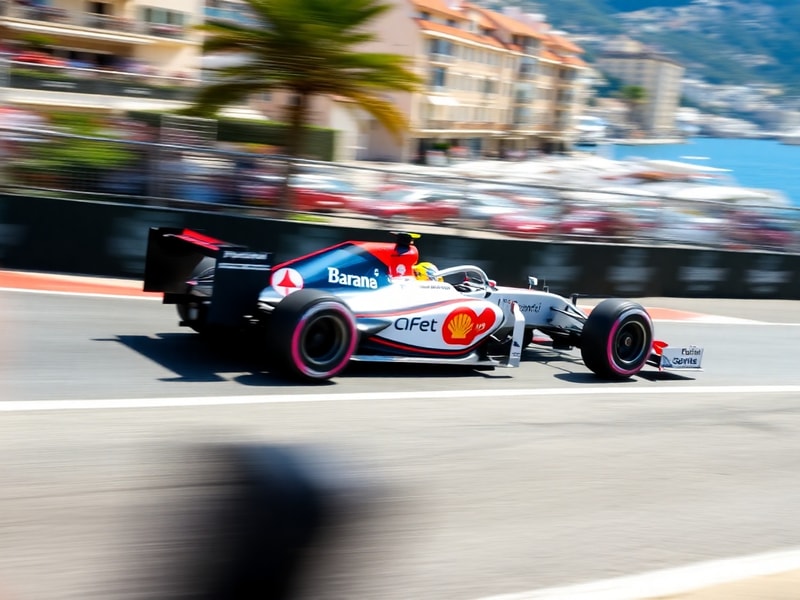
Why Racing Matters: Speed, Skill, and the Future of Motorsport
“`html
The Thrill and Precision of Racing
Racing exists at the intersection of human ambition and mechanical perfection. It pushes boundaries—whether on four wheels, two wheels, or even in the sky. The sport demands split-second decisions, relentless preparation, and an almost obsessive attention to detail. Yet beyond the spectacle, racing reveals profound truths about innovation, competition, and what it means to chase speed.
The Evolution of Racing: From Early Contests to Modern Engineering
Racing traces its roots to ancient Greece, where chariot races captivated crowds in the Olympic Games. By the 17th century, organized horse racing had emerged in England, laying the groundwork for structured competition. The 19th century saw the birth of automobile racing, sparked by the invention of the internal combustion engine. The first official automobile race took place in 1894, covering 79 miles from Paris to Rouen. This event marked the beginning of a new era—one where human skill met machine power.
Over the decades, racing diversified into multiple disciplines. Formula 1, born in the 1950s, became the pinnacle of open-wheel racing, blending aerodynamics, strategy, and raw speed. Meanwhile, endurance sports car racing, like the 24 Hours of Le Mans, tested both machine and driver over grueling distances. Motorcycle racing introduced its own challenges, from the high-speed straights of MotoGP to the technical precision of motocross. Even air racing, though niche, demonstrated how aerodynamics and pilot skill could achieve breathtaking velocities.
The evolution continues today, driven by sustainability and technology. Electric racing series like Formula E have redefined performance metrics, proving that electric powertrains can deliver thrilling competition. Autonomous racing, though still experimental, hints at a future where machines compete without human input. These shifts reflect broader trends in transportation and energy, making racing more than a sport—it’s a proving ground for the future.
What Makes a Champion: The Psychology and Skill Behind Victory
Victory in racing isn’t just about speed. It’s about consistency, adaptability, and mental resilience. Drivers must process vast amounts of data in real time—track conditions, tire wear, fuel levels, and rival maneuvers—while maintaining laser focus. A single lapse in concentration can cost a race, a season, or even a career.
Mental conditioning plays a crucial role. Many top drivers use visualization techniques, simulating race scenarios in their minds before ever turning a wheel. Others rely on meditation or biofeedback to manage stress. The physical demands are equally intense. Drivers endure forces up to 5G during cornering, requiring exceptional core strength and cardiovascular fitness. Reflexes must be razor-sharp, honed through years of practice.
Teamwork is another defining factor. In endurance racing, pit crews execute flawless tire changes and refueling in under two seconds. In open-wheel series, engineers analyze telemetry data to fine-tune aerodynamics and engine performance. Even in solo disciplines like rallying, co-drivers navigate by reading pace notes, relaying critical information to the driver with split-second timing.
Consider Lewis Hamilton’s dominance in Formula 1. His success isn’t solely attributed to raw speed but his ability to read races, adapt to changing conditions, and extract maximum performance from his car. Similarly, Valentino Rossi’s longevity in MotoGP stemmed from his intuitive understanding of motorcycle behavior and his relentless pursuit of marginal gains. These examples underscore a universal truth: the greatest racers combine innate talent with relentless refinement.
The Impact of Racing on Technology and Society
Racing has long been a catalyst for technological advancement. Many innovations we take for granted today originated in the crucible of competition. The disc brake, introduced in racing during the 1950s, eventually became standard in consumer vehicles. Aerodynamic wings, first seen on race cars in the 1960s, now shape modern automotive design. Even tire compounds developed for Formula 1 have influenced everyday road safety.
Beyond mechanics, racing has influenced broader societal trends. The rise of global racing series like Formula 1 and MotoGP has created multicultural fan bases, uniting audiences across continents. These series also serve as economic engines, generating billions in revenue through sponsorships, broadcasting rights, and tourism. Cities hosting major races often experience a surge in local business activity, from hotels to restaurants.
Environmental concerns have reshaped racing’s trajectory. The push for sustainability has led to hybrid and fully electric racing series, proving that high-performance motorsport can coexist with eco-consciousness. Even traditional series like Formula 1 have committed to becoming carbon-neutral by 2030, adopting biofuels and renewable energy sources. These initiatives challenge the industry to rethink its relationship with the planet while maintaining the thrill that fans crave.
Racing also fosters innovation in safety. The development of crash-resistant cockpits, energy-absorbing barriers, and fire-retardant suits has saved countless lives. These advancements eventually trickle down to consumer vehicles, making roads safer for everyone. The sport’s commitment to safety innovation reflects a broader ethos: progress should never come at the expense of human life.
How to Get Started in Racing: A Beginner’s Guide
For those inspired to take the wheel, the path to racing begins with self-assessment. Determine which discipline excites you most—whether it’s circuit racing, karting, drag racing, or rallying. Each discipline demands different skills and offers unique entry points.
Karting remains the most accessible starting point. Affordable, safe, and widely available, karts introduce novices to the fundamentals of car control, racing lines, and throttle management. Many Formula 1 drivers, including Ayrton Senna and Lewis Hamilton, honed their skills in karts before progressing to cars.
Once ready to transition to cars, aspiring racers typically enroll in a racing school. These programs offer structured training, often in professional-grade machinery. They also provide opportunities to network with industry professionals and gain exposure to competitive environments. Many schools offer licensing programs that comply with regional motorsport governing bodies, ensuring drivers meet safety and competency standards.
Budgeting is critical. Racing is expensive, with costs escalating quickly. Entry-level race series can cost tens of thousands per season, while top-tier competitions require millions. Aspiring racers must secure sponsorships, often through personal networks or by leveraging social media presence. Some drivers fund their careers through crowdfunding or by balancing part-time jobs with training schedules.
Mental preparation is just as vital as physical training. Joining a racing community—whether online forums or local clubs—can provide support and mentorship. Watching races, studying telemetry data, and analyzing driver performances can sharpen your understanding of the sport. Patience and persistence are essential; even the most talented drivers face setbacks, from mechanical failures to injuries.
For those unable to compete directly, there are other avenues into racing. Engineering, data analysis, and commentary offer behind-the-scenes roles that contribute to the sport’s success. Some fans become track marshals, officials, or even journalists, immersing themselves in the racing ecosystem without ever turning a wheel.
Ultimately, racing is as much about passion as it is about performance. It rewards curiosity, discipline, and a willingness to embrace risk. Whether you’re chasing a podium finish or simply seeking the thrill of speed, the journey begins with a single lap.
Key Takeaways for Aspiring Racers
- Start small: Karting is the most accessible entry point for most racers.
- Invest in training: Racing schools provide structured learning and professional guidance.
- Build a network: Sponsorships and mentorships often come from connections within the racing community.
- Embrace the grind: Success requires patience, persistence, and a willingness to learn from failure.
- Stay adaptable: Racing evolves rapidly; staying informed about technological and regulatory changes is crucial.
“Racing is about the will to win. The rest is just noise.” — Enzo Ferrari
Racing is more than a sport—it’s a relentless pursuit of perfection. It challenges the limits of human ability and machine capability, pushing both to new heights. Whether you’re a driver, engineer, or fan, racing offers a unique blend of adrenaline, strategy, and innovation. It reminds us that progress is not a destination but a continuous journey, one lap at a time.
For those eager to dive deeper into the world of racing, explore our Sports and Automotive categories on Dave’s Locker. From historical retrospectives to cutting-edge technology, these sections offer a wealth of insights for enthusiasts and newcomers alike.