The stories of Iraq and Venezuela often dominate international headlines, not just for their rich histories but for the modern crises that have reshaped their identities. Both nations, located on opposite sides of the globe, have endured decades of conflict, economic turmoil, and political instability. Yet beneath the surface of these struggles lie cultures of remarkable resilience, where communities adapt, create, and endure despite overwhelming odds.
While Iraq grapples with the aftermath of war, internal divisions, and the slow reconstruction of its infrastructure, Venezuela faces a different kind of crisis—one rooted in economic collapse, hyperinflation, and mass emigration. Comparing these two nations reveals striking parallels in their challenges, but also highlights the unique ways each has responded to adversity. Beyond the geopolitical and economic narratives, there’s a deeper story to uncover: the human spirit that persists in the face of hardship.
The Weight of History and Modern Crisis
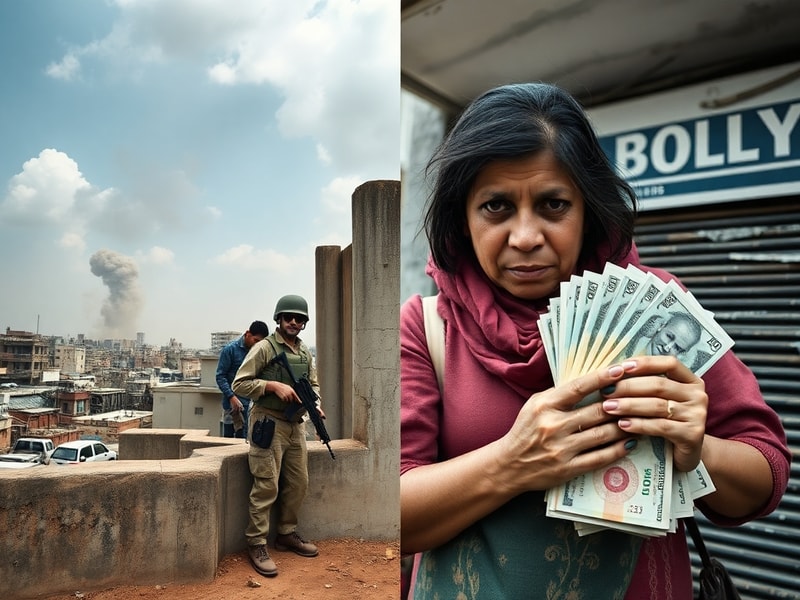
Iraq’s modern history is a tapestry of invasion, occupation, and sectarian strife. The 2003 U.S.-led invasion toppled Saddam Hussein’s regime but plunged the country into years of violence. The rise of ISIS in 2014 further destabilized the nation, displacing millions and leaving cities like Mosul in ruins. Today, Iraq remains a fragile state, its government struggling to balance power among Shia, Sunni, and Kurdish factions. Corruption and weak institutions continue to hinder progress, despite its vast oil wealth.
Venezuela, on the other hand, was once South America’s wealthiest nation, blessed with abundant oil reserves. Yet today, it is synonymous with economic collapse. The Bolivarian Revolution, which began under Hugo Chávez in the late 1990s, promised prosperity but instead led to mismanagement, sanctions, and hyperinflation. The exodus of over seven million Venezuelans—one of the largest displacement crises in recent history—has left the country’s social fabric in tatters. Hospitals lack basic supplies, and daily life is a struggle for many who remain.
Both nations share a paradox: despite their natural resources, their people suffer. In Iraq, oil wealth has not translated into widespread prosperity. In Venezuela, oil once fueled dreams of development, only to become a curse under poor governance. The lessons here are stark. Natural resources, when mismanaged, can exacerbate inequality rather than alleviate it. The path to recovery for both countries will require more than just economic aid—it will demand systemic change.
Cultural Richness Amidst Turmoil
The cultural identities of Iraq and Venezuela are as vibrant as they are resilient. Iraq, often called the cradle of civilization, is home to ancient wonders like Babylon and the ziggurats of Ur. Its people, descendants of the Sumerians, Babylonians, and Assyrians, have preserved traditions that span millennia. Mesopotamian art, literature, and music continue to influence the region, even as war has scarred the landscape. Baghdad’s literary cafés and Basra’s poetic heritage remain symbols of a culture that refuses to be silenced.
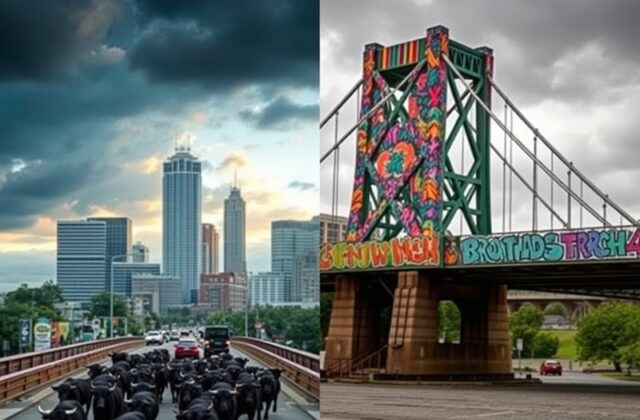
Venezuela’s cultural legacy is equally rich. From the rhythms of joropo music to the vibrant colors of its colonial architecture, the country boasts a diverse heritage shaped by Indigenous, African, and European influences. Caracas, the capital, is a city of contrasts—skyscrapers towering over neighborhoods where salsa and merengue fill the streets. Venezuelan artists, musicians, and writers have gained international acclaim, yet many now live abroad, contributing to a brain drain that further weakens the nation’s creative potential.
What’s striking is how both nations have turned to culture as a form of resistance. In Iraq, artists and musicians use their work to critique corruption and sectarianism. In Venezuela, despite the economic crisis, cultural festivals and street performances remain a vital part of daily life. These expressions of identity are not just distractions from hardship—they are acts of defiance. They remind the world that even in the darkest times, creativity endures.
Art as a Mirror of Society
Visual art in both countries often reflects the pain and hope of their people. Iraqi artists like Dia al-Azzawi and Hayv Kahraman use their work to explore themes of displacement and identity. Their exhibitions, both locally and internationally, challenge stereotypes about the Middle East. Similarly, Venezuelan artists such as Marisol Escobar and Carlos Cruz-Diez—pioneers of kinetic and op-art—have left an indelible mark on the global art scene. Their legacy is a testament to Venezuela’s once-thriving cultural scene, now fighting to survive under economic strain.
Global Responses and the Role of the International Community
The international response to Iraq and Venezuela has varied significantly, shaped by geopolitical interests and humanitarian concerns. Iraq, despite its strategic importance, often receives aid with strings attached—military interventions, conditional loans, and the imposition of democratic reforms that don’t always align with local needs. The U.S. and other Western nations have poured billions into reconstruction, but much of it has been lost to corruption or mismanagement. Meanwhile, neighboring countries like Iran and Turkey exert influence through political and economic ties, further complicating Iraq’s path to sovereignty.
Venezuela’s crisis, by contrast, has been met with a mix of sanctions, humanitarian aid, and political isolation. The U.S. and European Union have imposed targeted sanctions on officials linked to human rights abuses, while countries like Russia and China continue to support the Maduro regime with loans and trade deals. The United Nations and NGOs have provided critical aid, but access remains restricted by the government. The international community’s response has been fragmented, with some prioritizing regime change over humanitarian relief.
One common thread in both cases is the failure of external interventions to bring lasting stability. Whether through military force or economic pressure, outside actors often overlook the complexities of local dynamics. The result is a cycle of dependency, where aid becomes a bandage rather than a solution. For Iraq and Venezuela to move forward, the world must shift from short-term fixes to long-term partnerships that prioritize local agency and sustainable development.
Lessons for the Future
The struggles of Iraq and Venezuela offer sobering lessons for other nations facing similar challenges. First, natural resource wealth is not a guarantee of prosperity. Without strong institutions, transparency, and equitable policies, oil and other resources can become a source of conflict rather than stability. Second, cultural resilience is a powerful tool for survival. Art, music, and literature are not luxuries—they are lifelines that connect communities to their identity and history. Finally, the international community must approach crises with humility, recognizing that solutions must come from within rather than imposed from outside.
For those seeking to understand the deeper narratives of these nations, it’s essential to look beyond the headlines. The stories of Iraq and Venezuela are not just about war and economic collapse—they are about the human capacity to adapt, create, and hope. They remind us that even in the face of overwhelming odds, people find ways to rebuild, to laugh, and to dream.
As the world watches these nations navigate their paths forward, there is an opportunity to rethink how we engage with countries in crisis. Aid should empower, not control. Culture should be celebrated, not exploited. And the voices of the people—those who endure the daily realities of these struggles—must be at the heart of any solution.
Looking Ahead: Hope on the Horizon?
There are glimmers of hope in both Iraq and Venezuela. In Iraq, recent protests have demanded reform and an end to corruption, showing a new generation’s willingness to challenge the status quo. In Venezuela, despite the crisis, grassroots movements are working to rebuild communities through cooperatives and local initiatives. These efforts, though small, offer a blueprint for bottom-up change.
The road ahead is long, and the challenges are immense. But the resilience of the Iraqi and Venezuelan people proves that survival is possible—even in the most dire circumstances. Their stories are a testament to the power of perseverance, and a reminder that behind every crisis is a human story waiting to be told.
For more on global affairs and cultural analysis, visit our News and Culture sections.