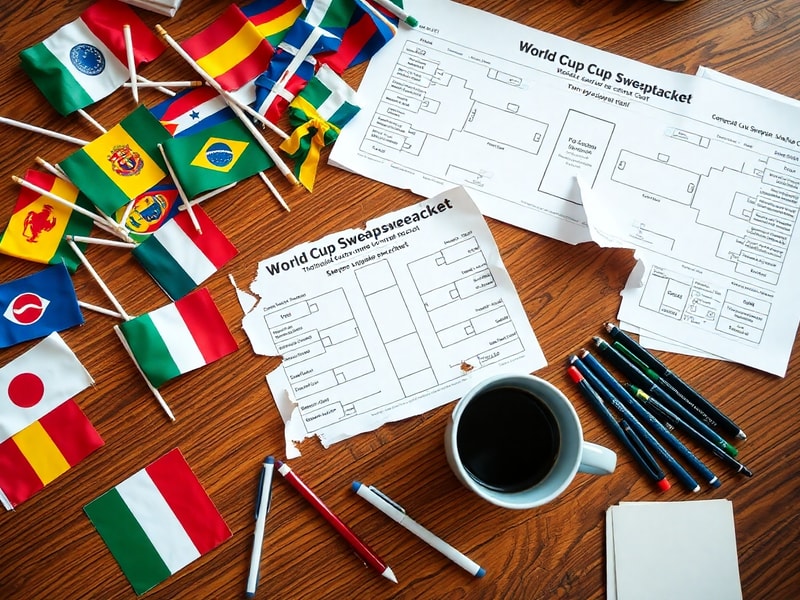
World Cup Sweepstake Guide: How to Run a Fun and Fair Contest
What Makes World Cup Sweepstakes a Global Tradition
Every four years, the FIFA World Cup transforms from a sporting event into a cultural phenomenon that unites people across continents. While millions watch matches on screens, an equally vibrant tradition unfolds in workplaces, schools, and local pubs: the World Cup sweepstake. Unlike formal betting platforms, sweepstakes rely on participation, camaraderie, and a bit of luck to create shared excitement.
These contests trace back decades, rooted in informal communities where enthusiasm for football outweighs the desire for high-stakes gambling. In countries like the UK and Australia, sweepstakes are as much a part of World Cup culture as the opening ceremony. They offer a low-pressure way to engage with the tournament, blending competition with social bonding. The format’s simplicity—drawing names or numbers to assign teams—ensures accessibility for all ages and backgrounds.
The Cultural Significance Behind the Draw
In many cultures, the World Cup sweepstake transcends mere entertainment. It becomes a ritual that strengthens workplace relationships and family ties. In Brazil, for example, office sweepstakes are common during the tournament, fostering teamwork and friendly rivalry among colleagues. Similarly, in South Africa, community-based draws bring neighbors together, often accompanied by braais (barbecues) and local music.
The cultural flavor of these contests varies widely. In Argentina, sweepstakes are often organized by football clubs or fan groups, with proceeds sometimes donated to youth development programs. In Germany, where football culture runs deep, sweepstakes are integrated into company events, reinforcing a sense of collective identity. These traditions highlight how the World Cup serves as more than a sporting spectacle—it’s a global unifier.
How to Organize a World Cup Sweepstake That Stands Out
Planning a successful sweepstake requires more than just picking teams at random. The best organizers balance fairness with creativity to keep participants engaged from the first whistle to the final whistle. Start by setting clear rules: Will the draw be blind? Will there be consolation prizes for early exits? Clarity prevents disputes and keeps the mood light.
Many organizers add thematic twists to enhance the experience. Some assign humorous categories like “Most Goals Scored by a Defender” or “Longest Shot on Target.” Others incorporate cultural references, such as naming groups after iconic stadiums or legendary players. These details elevate the sweepstake from a simple bet to a memorable event.
Technology now plays a bigger role in organizing sweepstakes. Free online tools generate random draws, track scores, and even send automated reminders. However, the most authentic contests still rely on in-person draws, where envelopes are opened dramatically or names are pulled from a hat. The tactile ritual adds to the charm.
Essential Steps for Running a Sweepstake
- Define the format: Decide whether to assign teams by knockout stages or group stages. A group-stage draw adds longevity to the competition.
- Set the price and prize: Keep entry fees modest—£5 to £10 is typical in the UK—to encourage broad participation. Prizes can be cash, gift cards, or bragging rights.
- Promote the event: Use messaging apps, social media, or old-fashioned posters to spread the word. Highlight the social aspect to attract hesitant participants.
- Track progress: Create a shared spreadsheet or use a free app like Google Sheets to update scores and standings in real time.
The Psychology of Sweepstakes: Why We Love Predicting Outcomes
Humans are wired to seek patterns and make predictions, even when the odds are against them. Sweepstakes tap into this cognitive bias, offering a low-risk way to project outcomes. The thrill comes not from winning money but from the emotional investment in a team or player. This psychological appeal explains why sweepstakes endure despite the rise of fantasy football and betting apps.
For many, the appeal lies in the communal experience. Unlike solitary betting, sweepstakes create shared stakes—literally. When a colleague’s assigned team scores, the excitement is collective. When a favorite crashes out, the disappointment is too. This emotional rollercoaster fosters connection and conversation, turning a global event into a local story.
There’s also a nostalgic element. For older generations, sweepstakes evoke memories of school playgrounds and office pools. For younger fans, they offer a break from digital overload, a chance to unplug and engage face-to-face. In an era of algorithm-driven predictions, sweepstakes provide a human touch.
The Role of Luck and Skill in Sweepstakes
Unlike fantasy football, where knowledge of player form matters, sweepstakes are pure chance. Yet, skill can play a subtle role. Some participants study team histories or current form, hoping to “strategically” assign weaker teams to friends who might not follow the tournament closely. Others rely on superstitions—picking teams based on jersey colors or mascots.
This mix of luck and minor strategy adds to the fun. It allows casual fans to compete alongside die-hards without feeling outmatched. The unpredictability of football ensures that even the most prepared participants can be humbled by a last-minute upset.
Digital vs. Analog: How Technology Is Changing Sweepstakes
While traditional in-person sweepstakes remain popular, digital platforms are reshaping participation. Apps like Sports and websites now offer virtual sweepstakes, allowing global participation without geographical limits. These platforms automate draws, send notifications, and even integrate live scores to update standings in real time.
However, digital sweepstakes lack the tactile ritual of pulling names from a hat or the spontaneous reactions of an in-person draw. The rise of hybrid models—where groups use apps to organize but meet in person to draw teams—offers a compromise. This blend preserves the social magic while leveraging modern convenience.
Another trend is the integration of charity. Some digital platforms allow participants to donate their entry fees to causes linked to the World Cup, such as youth football initiatives or humanitarian efforts. This adds a layer of purpose to the competition, appealing to socially conscious participants.
The Future of World Cup Sweepstakes
The format’s adaptability ensures its longevity. As long as football continues to captivate global audiences, sweepstakes will evolve to meet new habits. Virtual reality could one day allow remote participants to “attend” a live draw in a virtual pub. Augmented reality might overlay real-time stats during the event. Yet, the core appeal—community, chance, and shared excitement—will remain unchanged.
For now, the World Cup sweepstake thrives in its analog form across countless communities. It’s a reminder that the tournament’s magic isn’t just in the goals or the drama—it’s in the people who gather to celebrate it together.
Have you organized a World Cup sweepstake? Share your stories and tips in the comments below.