East Rutherford Through the Ages: From Marshland to Modern Hub
Situated along the Passaic River in Bergen County, New Jersey, East Rutherford has evolved from a sparsely populated marshland in the 17th century to a key suburban municipality. Its transformation mirrors broader patterns of American suburbanization, where once-rural areas became integral parts of metropolitan landscapes. The area’s early economy relied on farming and brickmaking, leveraging the abundant clay deposits in the region.
By the late 19th century, the construction of railroads and bridges connected East Rutherford to New York City, fostering industrial growth. The opening of the Erie Railroad’s Bergen County line in 1881 was a turning point, enabling the movement of goods and people. This connectivity attracted factories and warehouses, shaping the borough’s industrial identity, which persists today in the form of corporate offices and retail spaces.
The Meadowlands: A Cultural and Economic Backbone
The New Jersey Meadowlands, a sprawling 30-square-mile tidal wetland, has long defined East Rutherford’s geography and economy. Historically, the Meadowlands were viewed as a natural barrier or an obstacle to development. However, in the 20th century, visionaries recognized its potential as a commercial and recreational hub. The construction of the Meadowlands Sports Complex in the 1970s marked a turning point, anchoring East Rutherford’s reputation as a destination for entertainment and sports.
Today, the Meadowlands is a symbol of East Rutherford’s dual identity: a place where nature and urban development coexist. The wetlands remain a critical habitat for migratory birds and local wildlife, while the surrounding infrastructure supports millions of visitors annually. This balance reflects a global trend where cities strive to preserve natural spaces amid rapid urbanization.
Global Suburbanization: How East Rutherford Fits the Pattern
East Rutherford’s growth aligns with the suburbanization patterns seen worldwide, particularly in developed nations. As cities expand, surrounding municipalities often develop into hybrid spaces—part residential, part commercial, and part recreational. This phenomenon is evident in cities like Tokyo’s suburbs or London’s commuter belt, where satellite towns serve as extensions of major urban centers.
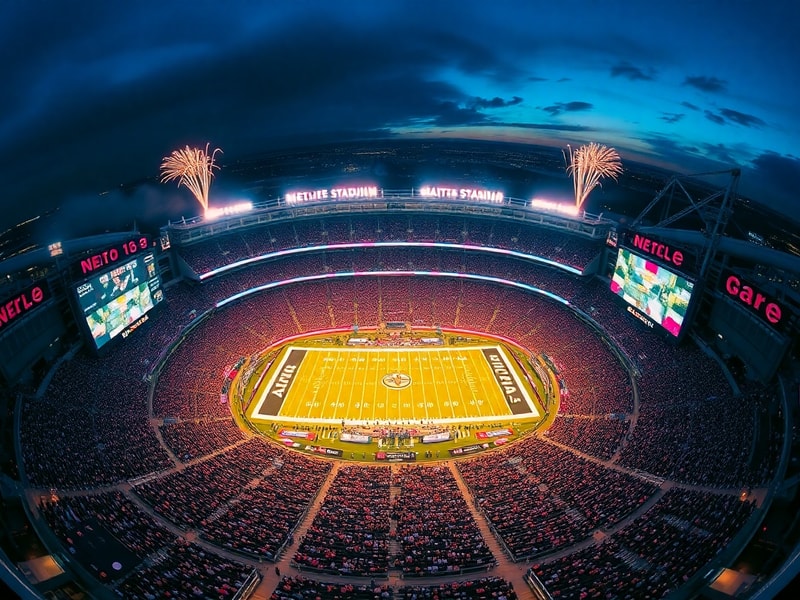
What sets East Rutherford apart is its concentration of high-profile venues. The Meadowlands Sports Complex, home to the New York Giants and New York Jets NFL teams, along with MetLife Stadium, is one of the most visited sports and entertainment destinations in the United States. This concentration of attractions has turned East Rutherford into a microcosm of how suburban areas can thrive by leveraging unique assets.
Lessons from Around the World
In Europe, cities like Paris have long used suburban areas to decentralize urban pressure. The La Défense district, for example, serves as a financial hub outside central Paris, much like East Rutherford’s corporate presence. Similarly, Tokyo’s Odaiba district functions as a futuristic entertainment and commercial zone, separated from the city’s historic core. These examples highlight a universal strategy: suburban areas can become economic powerhouses when they offer something the urban center cannot.
East Rutherford’s success lies in its ability to package multiple experiences—sports, shopping, dining, and nature—into a single destination. This model resonates globally, where cities seek to create “experience economies” that attract both locals and tourists. The Meadowlands’ ability to draw visitors from across the Northeast U.S. demonstrates how suburban areas can punch above their weight by offering concentrated, high-quality experiences.
The Cultural Impact of East Rutherford’s Venues
East Rutherford’s cultural significance extends beyond sports. Venues like the Izod Center (now closed) and MetLife Stadium have hosted some of the most iconic concerts and events of the past five decades. From Bruce Springsteen to Beyoncé, the borough has been a stage for global performers, embedding itself in the cultural fabric of American entertainment.
This cultural role is not unique to East Rutherford. Cities worldwide have used large-scale venues to project identity and attract tourism. London’s O2 Arena, for example, has become synonymous with major music events, while Munich’s Allianz Arena is a symbol of Bavarian pride. These venues serve as modern-day amphitheaters, where cultural exchange and communal experiences unfold.
A Global Perspective on Venue-Centric Development
Venue-centric development is a strategy adopted by cities aiming to revitalize underutilized areas. In Barcelona, the transformation of the Poblenou district into a tech and innovation hub was catalyzed by the construction of the Fira de Barcelona convention center. Similarly, East Rutherford’s focus on large-scale venues has turned it into a magnet for investment and tourism.
This approach has both benefits and challenges. On the one hand, it drives economic growth and puts smaller municipalities on the map. On the other, it can lead to over-reliance on a single industry or type of event. East Rutherford’s ability to diversify its offerings—through retail, corporate offices, and natural spaces—has helped mitigate this risk.
East Rutherford’s Future: Balancing Growth and Identity
Looking ahead, East Rutherford faces the challenge of maintaining its unique character amid ongoing development. The borough’s proximity to New York City makes it an attractive location for businesses and residents alike, but this also brings pressure to expand housing and infrastructure. Preserving the Meadowlands’ ecological integrity while accommodating growth will require careful planning and community engagement.
Globally, cities grappling with similar challenges often turn to sustainable urban planning. Copenhagen’s approach to integrating green spaces into urban development, for instance, offers a model for balancing growth with environmental stewardship. East Rutherford could draw inspiration from such strategies to ensure its future remains as dynamic as its past.
Community and Identity in a Changing Landscape
Despite its growth, East Rutherford retains a sense of community that is often lost in larger urban areas. Local events, schools, and small businesses contribute to a tight-knit atmosphere. This sense of identity is crucial as the borough evolves. In an era where many suburban areas risk becoming indistinguishable from one another, East Rutherford’s ability to preserve its distinct character will be key to its continued success.
As East Rutherford moves forward, it serves as a case study in how suburban areas can reinvent themselves without losing their soul. Its journey—from marshland to modern hub—reflects the broader narrative of suburbanization, but its story is uniquely its own. By learning from global examples and prioritizing sustainable growth, East Rutherford can continue to thrive as a destination that offers something for everyone.
For those who visit for a game, a concert, or a walk along the Meadowlands, East Rutherford is more than just a stop along the way. It is a place where history, culture, and innovation intersect—a testament to the enduring appeal of suburban America.