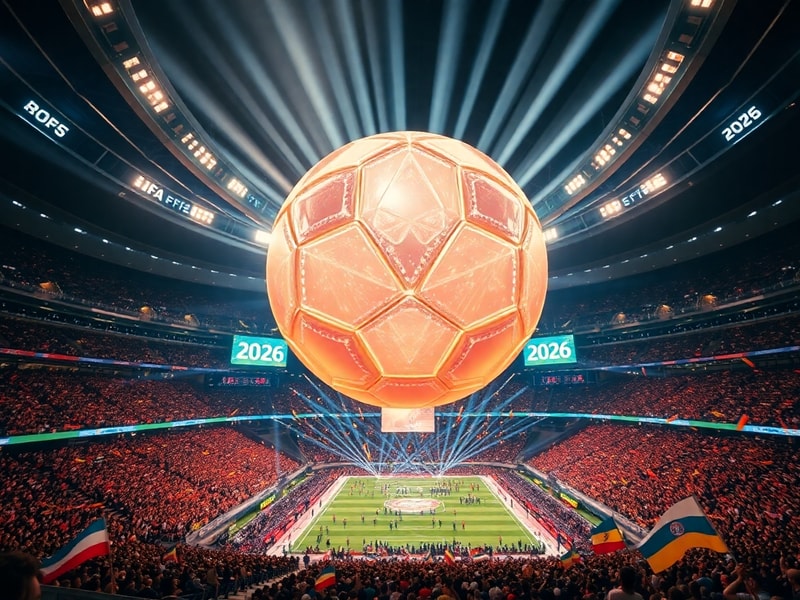
The countdown to the 2026 FIFA World Cup ceremony is underway, and the event promises to be unlike any before it. As the first World Cup hosted by three nations—Canada, Mexico, and the United States—the opening ceremony will need to bridge cultures, languages, and traditions while setting the stage for what organizers hope will be the most inclusive tournament in history.
With the host cities announced and the official emblem revealed in early 2023, anticipation is building for a ceremony that will blend indigenous heritage, modern spectacle, and the unifying power of football. This is more than just a prelude to matches; it’s a statement about the future of global sports entertainment.
The Vision Behind the Ceremony
FIFA and the local organizing committee have emphasized that the 2026 opening ceremony will reflect the diversity of North America. Unlike past ceremonies, which often centered on a single cultural narrative, this event aims to showcase multiple voices. Indigenous performances, regional music, and digital art projections across stadiums in Los Angeles, Toronto, and Mexico City will create a layered experience.
“We’re not just celebrating football,” said a spokesperson for the organizing committee. “We’re celebrating the people who call this continent home.” The ceremony will also incorporate augmented reality elements, allowing fans in the stadium and at home to interact with the visuals in real time.
The choice of three host nations adds complexity. Each country brings its own traditions, from mariachi music in Mexico to Inuit throat singing in Canada. The challenge for the creative team is to weave these elements into a cohesive narrative without diluting their individual significance.
Key Elements of the Ceremony
- Indigenous Representation: Performances by First Nations, Métis, Inuit, and Native American artists will open the ceremony, honoring the land’s original stewards.
- Digital Integration: Stadiums will feature massive LED screens displaying interactive fan messages and AR effects triggered by audience movement.
- Regional Anthems: The ceremony will blend national anthems with folk songs from each host nation, creating a musical mosaic.
- Sustainability Focus: A segment will highlight environmental initiatives tied to the tournament, including carbon-neutral pledges and renewable energy use.
- Global Participation: Pre-recorded messages from fans worldwide will be woven into the live broadcast, emphasizing football’s role as a unifier.
Broader Implications for Global Sports
The 2026 World Cup ceremony isn’t just about spectacle; it’s a test case for how major sporting events can evolve in the digital age. With climate concerns and calls for greater inclusivity growing louder, the tournament’s organizers are under pressure to deliver more than just entertainment.
One of the most notable shifts is the reduced carbon footprint. Unlike past World Cups, which often required extensive travel and infrastructure, the 2026 edition will rely on existing stadiums and local fan engagement. The opening ceremony’s digital elements further reduce the need for physical props and transportation.
Another implication is the ceremony’s role in shaping public perception of North America. For years, the continent has been seen as a secondary player in global football. Hosting the World Cup—especially with such a forward-looking approach—could redefine its image in the sport’s hierarchy.
“This isn’t just about putting on a show,” said sports historian Dr. Elena Vasquez. “It’s about proving that football can adapt to the 21st century. The ceremony will set the tone for how future tournaments balance tradition with innovation.”
What Fans Can Expect
While the full program remains under wraps, several details have emerged that hint at the ceremony’s scale. The Los Angeles segment, for example, will reportedly feature a collaboration between a Grammy-winning artist and a rising indigenous hip-hop group. Meanwhile, Mexico City’s portion will spotlight a fusion of traditional danzantes dancers and electronic music.
The ceremony will also serve as a platform for social messages. Organizers have confirmed that players, coaches, and officials will take a unified stand against discrimination, with a moment of silence for global causes like education and climate action.
For fans attending in person, the experience will be immersive. Stadiums will be equipped with 5G networks, allowing real-time social media integration and personalized content. Those watching at home can expect multi-camera angles, including drone footage and behind-the-scenes feeds.
How to Follow the Ceremony
If you’re eager to experience the opening night, here’s how to tune in:
- Broadcast: The ceremony will air live on FOX (U.S.), TSN (Canada), and Televisa (Mexico), with global feeds available via FIFA’s digital platforms.
- Streaming: Fans can watch on FIFA+, the official streaming service, which will offer alternate commentary and interactive features.
- Social Media: Follow Dave’s Locker Sports for live updates, behind-the-scenes content, and fan reactions.
- In-Person Tickets: A limited number of tickets for the ceremony are available through FIFA’s official portal, though demand is expected to be high.
The ceremony will also be a testing ground for new broadcasting technologies. With advancements in VR and holographic projections, viewers may soon feel as though they’re in the stadium, even from their living rooms.
Conclusion: A New Era for Football’s Grand Stage
The World Cup ceremony of 2026 is shaping up to be a landmark event—not just for football, but for how we experience global gatherings. By prioritizing inclusivity, sustainability, and technological innovation, the organizers are signaling a shift in what these ceremonies can achieve.
As the opening night approaches, the world will be watching not just to see who lifts the trophy, but how this tournament redefines the relationship between sport, culture, and society. One thing is certain: the 2026 ceremony will leave a lasting impression, long before a single ball is kicked.
For more insights into the World Cup and its cultural impact, visit Dave’s Locker Sports.