The 2022 FIFA World Cup in Qatar was unlike any other in the tournament’s 92-year history. Held in the Middle East for the first time, this edition broke geographical boundaries while igniting global debates about ethics, climate change, and the future of international sports. With a compact November-December schedule to avoid Qatar’s scorching summer heat, the tournament condensed 64 matches into just 29 days, creating a relentless pace that tested even the fittest teams.
The event also became the most compact World Cup ever in terms of geography, with all stadiums located within a 50-kilometer radius of Doha. While this minimized travel time for fans and teams, it raised concerns about the carbon footprint of such a densely packed event in a desert nation with limited infrastructure. As the first World Cup hosted in a country without a strong football tradition, Qatar’s ambitious project aimed to leave a lasting legacy—but not without significant controversy.
Behind the Scenes: The Challenges and Criticisms
The road to the 2022 World Cup was paved with allegations of corruption, human rights abuses, and logistical hurdles that cast a shadow over the tournament from its inception. FIFA’s decision to award Qatar the hosting rights in 2010 sparked immediate controversy, with investigations later revealing bribery and vote-swapping among officials. While FIFA maintained its commitment to the event, the scandal eroded trust in the organization’s transparency.
Labor conditions for the migrant workers who built Qatar’s stadiums and infrastructure became a focal point of global outrage. Reports from human rights groups highlighted exploitative “kafala” labor laws, unsafe working conditions, and thousands of deaths among migrant workers—many linked to extreme heat and poor safety standards. Qatar implemented reforms in response, including minimum wage laws and labor reforms, but critics argued these changes came too late to undo the damage.
The tournament’s timing also drew criticism. Moving the World Cup to November and December disrupted domestic football leagues worldwide, including Europe’s top competitions. Clubs and players expressed frustration over the condensed schedule and the risk of injuries during a period typically reserved for rest. Despite these challenges, FIFA defended the decision, citing Qatar’s extreme summer temperatures as a non-negotiable factor.
Key Controversies Surrounding the 2022 World Cup
- Corruption Allegations: Investigations into vote-buying and bribery led to multiple FIFA officials being banned from football. The 2015 U.S. Department of Justice indictments exposed a web of corruption that cast doubt on the legitimacy of Qatar’s bid.
- Human Rights Abuses: Reports from Amnesty International and other groups documented widespread labor exploitation, with migrant workers facing wage theft, passport confiscation, and hazardous working conditions.
- Climate and Environmental Concerns: Despite Qatar’s pledge to host a “carbon-neutral” World Cup, critics argued that the event’s infrastructure and fan travel would leave a massive ecological footprint in a water-scarce region.
- Alcohol Bans and Cultural Clashes: Qatar’s strict laws prohibiting alcohol in stadiums during matches led to last-minute changes in fan experiences, including the cancellation of Budweiser’s pitch-side advertising rights.
The Tournament on the Pitch: Records, Surprises, and Star Performances
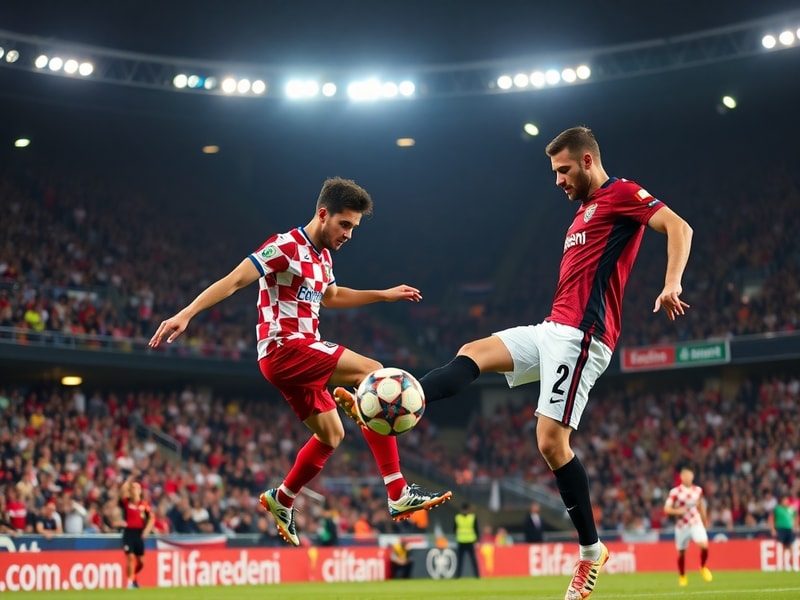
Amid the off-field debates, the 2022 World Cup delivered a tournament of high drama, tactical innovation, and individual brilliance. The group stage saw traditional powerhouses struggle, while underdogs like Morocco and Japan defied expectations. Morocco’s historic run to the semifinals—becoming the first African and Arab nation to reach that stage—was a watershed moment for football in the region.
Lionel Messi, playing in his final World Cup, delivered a masterclass in tournament football. His performances against Mexico and the Netherlands in the knockout rounds showcased his enduring genius, while his penalty in the shootout against the Dutch confirmed his status as a World Cup legend. Meanwhile, Kylian Mbappé’s eight goals earned him the Golden Boot, but his penalty miss in the final against Argentina became a defining moment of heartbreak.
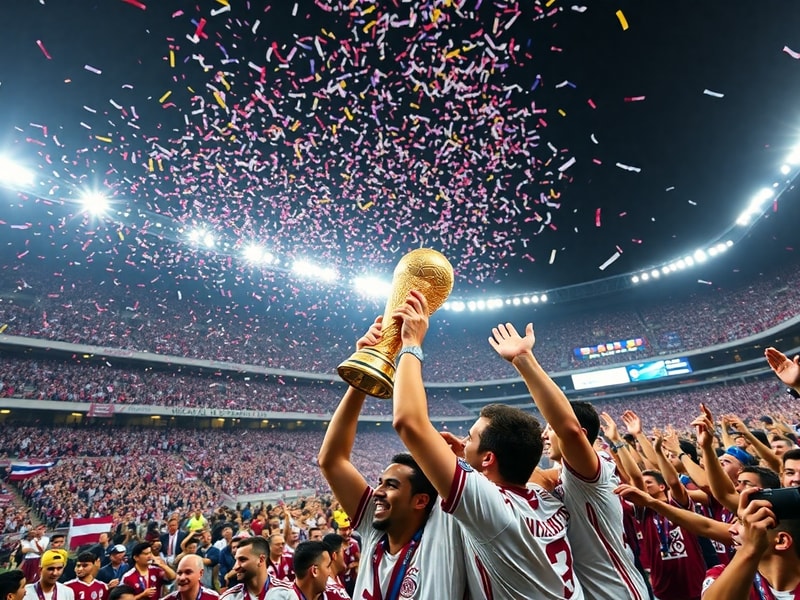
The final itself was a classic, with Argentina defeating France 4-2 on penalties after a 3-3 draw in extra time. Messi’s goal and assist in regulation, combined with Mbappé’s hat-trick, made it one of the greatest World Cup finals ever. The match also highlighted the increasing influence of tactical flexibility, with both teams adapting mid-game to counter each other’s strengths.
Notable Moments and Tactical Trends
- Morocco’s Historic Run: The Atlas Lions became the first African and Arab nation to reach the semifinals, defeating Spain and Portugal along the way. Their defensive solidity and counterattacking style disrupted traditional powerhouses.
- Japan’s Upset of Germany and Spain: The Samurai Blue stunned two World Cup giants with tactical discipline and clinical finishing, showcasing the rise of Asian football.
- Gareth Southgate’s England Woes: Despite a golden generation of players, England’s penalty shootout struggles continued, with their quarterfinal exit to France adding to a long list of near-misses.
- VAR Controversies: The Video Assistant Referee system was both praised and criticized for its role in key decisions, including offside calls and penalty reviews.
Legacy and Lasting Impact of the 2022 World Cup
The 2022 World Cup’s legacy extends far beyond the pitch. It forced a reckoning with FIFA’s governance, the ethics of hosting mega-events in developing nations, and the sustainability of global football. The tournament’s financial success—generating over $7.5 billion in revenue—proved that World Cups remain lucrative, but it also highlighted the ethical costs of such events.
For Qatar, the World Cup was a soft-power triumph, showcasing the nation’s ability to host a global event despite its small size and lack of footballing pedigree. The “legacy” stadiums, including the iconic Lusail Stadium, were designed with post-tournament repurposing in mind, though questions linger about their long-term use. Qatar’s investment in football infrastructure may pave the way for future regional tournaments, but the human cost remains a stain on the tournament’s reputation.
On the field, the 2022 World Cup reinforced the growing parity in international football. Traditional powerhouses like Germany and Brazil were eliminated early, while teams from Morocco, Croatia, and the Netherlands demonstrated tactical sophistication. The rise of young stars like Pedri (Spain), Jamal Musiala (Germany), and Gavi (Spain) signaled a generational shift in football talent.
The tournament also underscored the increasing importance of data analytics and sports science in football. Teams that adapted quickly to tactical innovations—such as Morocco’s high press or Argentina’s use of a false nine—thrived, while those stuck in rigid systems faltered. This trend is likely to continue influencing coaching and player development worldwide.
Broader Implications for Future World Cups
- Ethical Hosting Standards: The controversies surrounding Qatar 2022 have intensified calls for stricter ethical guidelines for future World Cup hosts, including mandatory human rights protections and sustainability commitments.
- Expansion to 48 Teams: With the 2026 World Cup set to include 48 teams, FIFA faces logistical and financial challenges in balancing competitiveness with inclusivity. The 2022 model—with its compact schedule—may serve as a blueprint.
- Player Welfare and Schedule Management: The disruption to domestic leagues has reignited debates about player workload and the need for better global coordination between club and international football.
- Technology’s Role: VAR and goal-line technology will continue to evolve, but their inconsistent application raises questions about standardization and transparency in refereeing decisions.
Conclusion: A Tournament of Contrasts
The 2022 World Cup was a study in contrasts—a celebration of football’s unifying power amid ethical dilemmas and logistical challenges. It showcased the sport’s ability to inspire millions while exposing the flaws in global governance and corporate responsibility. For fans, it delivered unforgettable moments, from Morocco’s fairytale run to Messi’s coronation as a World Cup legend. For critics, it was a reminder of the human and environmental costs of hosting such an event.
As football looks ahead to the 2026 World Cup in the United States, Canada, and Mexico, the lessons of Qatar 2022 will shape the future of the tournament. Will FIFA prioritize ethics over profit? Can mega-events be hosted sustainably in an era of climate crisis? These questions will define the next chapter of international football. One thing is certain: the 2022 World Cup will be remembered not just for its drama on the pitch, but for the debates it sparked off it.
For deeper analysis on the intersection of sports and global issues, explore our Sports and Analysis sections. The conversation about football’s role in society is far from over.