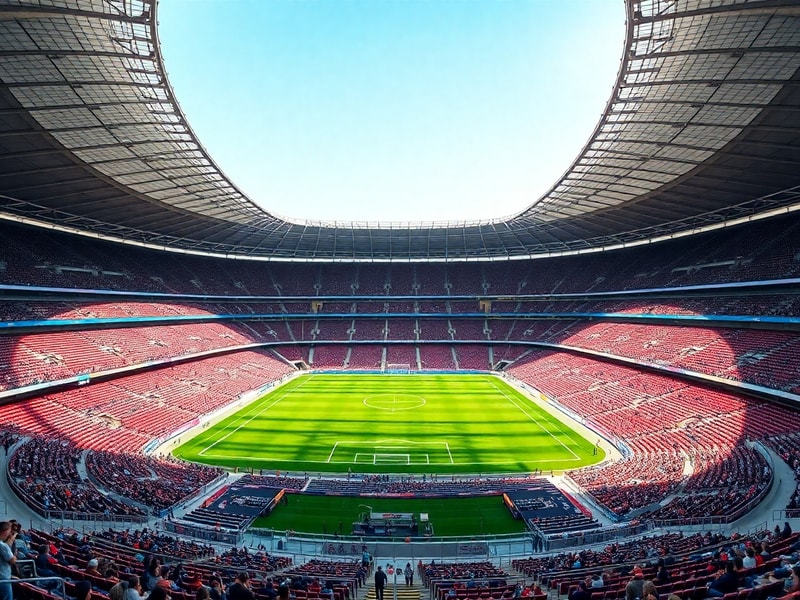
The FIFA World Cup is widely regarded as the most prestigious tournament in international football, drawing millions of fans to stadiums across the host nation. Yet in recent editions, a persistent issue has overshadowed the spectacle: empty seats. From Qatar 2022 to earlier tournaments, the sight of vacant stands has sparked debates about accessibility, ticketing policies, and the evolving relationship between global audiences and live sports.
This phenomenon isn’t isolated to one region or edition. It reflects broader trends in how fans engage with major sporting events, shaped by financial barriers, changing viewing habits, and even cultural attitudes toward public gatherings. Understanding why so many seats remain empty requires examining ticket distribution, media consumption, and the shifting expectations of modern football audiences.
Ticketing and Distribution: Where the Problem Begins
One of the most frequently cited reasons for empty seats is the distribution and allocation of tickets. FIFA and host nations typically reserve a significant portion of seats for sponsors, VIPs, and football federations. While this ensures financial backing and diplomatic representation, it often results in a mismatch between available seats and actual demand from local or international fans.
In Qatar 2022, for example, FIFA reported that over 97% of tickets were sold. Yet images of sparsely filled stadiums during group-stage matches revealed a different story. The issue lay in how those tickets were distributed:
- Corporate and VIP allocations: Many tickets went to sponsors, dignitaries, and hospitality packages that were never intended for general sale.
- FIFA’s allocation policies: A portion of tickets was reserved for football federations, some of which struggled to distribute them effectively.
- Last-minute cancellations: Fans who purchased tickets sometimes faced travel restrictions, visa issues, or financial constraints that prevented attendance.
These structural challenges highlight a disconnect between FIFA’s commercial strategy and the realities of fan access. While ticket sales figures may appear strong, they don’t always reflect genuine fan turnout.
The Role of Media and Fan Behavior
The rise of streaming services and digital broadcasting has fundamentally altered how people consume live sports. Many fans now prioritize watching matches from the comfort of their homes, where they can control camera angles, replays, and commentary. This shift has reduced the pressure on fans to attend in person, especially during less glamorous stages of the tournament.
In some countries, cultural attitudes toward live attendance have also evolved. For younger generations, the experience of watching a match on a large screen—whether alone or with friends—can feel just as meaningful as being in a stadium. The social aspect of live attendance, once a cornerstone of football culture, is no longer the default choice for many.
Additionally, the cost of travel and accommodation during the World Cup often exceeds what casual fans are willing to spend. With inflation and economic uncertainty affecting households worldwide, discretionary spending on sports events has become less of a priority for many.
Cultural and Regional Factors
Empty seats are not evenly distributed across host nations. Cultural attitudes toward football, local infrastructure, and even climate play a role in attendance patterns.
In Qatar, for instance, the timing of the tournament—held in November and December to avoid extreme summer heat—helped boost attendance. However, the lack of a strong domestic football culture meant that many spectators were tourists rather than local fans. In contrast, countries with deep football traditions, such as Brazil or Argentina, tend to see higher attendance rates, even in non-World Cup years.
Regional disparities also emerge in ticket distribution. Fans from wealthier nations often have more resources to travel and secure accommodations, while supporters from developing countries may face insurmountable barriers. This creates a paradox where stadiums appear full during matches involving traditional powerhouses but remain half-empty during games featuring less popular teams.
Solutions on the Horizon
FIFA and host nations have begun experimenting with solutions to address the issue of empty seats. One approach is dynamic pricing, where ticket prices fluctuate based on demand. This could encourage more fans to attend games that might otherwise draw smaller crowds.
Another strategy involves better engagement with local communities. Host nations are increasingly promoting football development programs to foster a stronger domestic fan base. For example, Qatar invested heavily in youth football infrastructure in the years leading up to 2022, aiming to cultivate a new generation of passionate supporters.
Digital innovations are also being explored. FIFA has considered offering hybrid ticketing options, allowing fans to purchase virtual attendance experiences that complement traditional in-person tickets. While this may not replace the atmosphere of a live match, it could help bridge the gap between global audiences and local stadiums.
Ultimately, the issue of empty seats at the World Cup is a symptom of a larger transformation in how we experience global sporting events. As football continues to expand its reach, balancing commercial interests with genuine fan engagement will be critical to preserving the magic of live competition.
For those interested in the broader implications of sports culture, our Sports section offers deeper analysis on fan behavior and global tournaments. Understanding these trends helps us appreciate not just the games themselves, but the communities they inspire.
The World Cup’s legacy is no longer defined solely by what happens on the pitch. It’s also shaped by how millions of fans connect—or choose not—to be there in person. As the tournament evolves, so too must the strategies to ensure its stadiums remain as vibrant as its spirit.