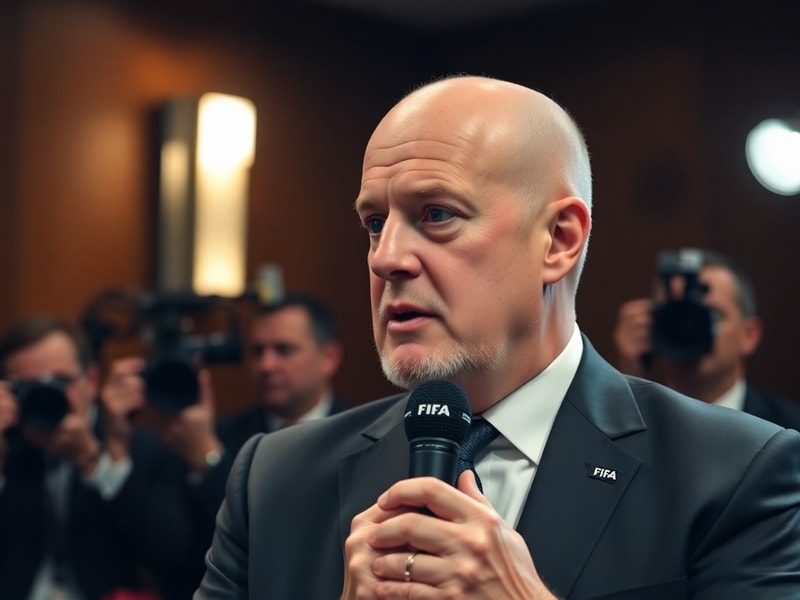
FIFA President: Power, Influence, and the Future of World Soccer
“`html
FIFA President: Power, Politics, and the Future of Global Soccer
The role of FIFA President carries immense influence, shaping the direction of world soccer through financial decisions, governance reforms, and international relations. Since the organization’s controversial past, the presidency has transformed into a position scrutinized by fans, players, and governments alike. The position demands not just administrative skill but also diplomatic finesse to navigate the complex web of national soccer federations, corporate sponsors, and media rights.
The Role and Responsibilities of the FIFA President
The FIFA President serves as the public face and chief executive of the international governing body of soccer. Responsibilities include overseeing the World Cup bidding process, managing multi-billion-dollar budgets, and implementing regulatory policies such as financial fair play. The president also plays a pivotal role in addressing global soccer challenges, from match-fixing scandals to human rights concerns in host nations.
Elected by the FIFA Congress—a body made up of representatives from 211 member associations—the president’s authority is both symbolic and operational. Their decisions can redefine the financial landscape of clubs, influence player movements, and even shift the cultural perception of the sport. This centralized power, however, has historically raised concerns about transparency and accountability.
Recent reforms under FIFA’s leadership have aimed to decentralize some decision-making processes. Yet, the president retains significant control over strategic initiatives, including the expansion of the World Cup to 48 teams and the introduction of new competitions like the FIFA Club World Cup.
Key Moments in Recent FIFA Presidential History
The modern era of FIFA leadership has been marked by both progress and controversy. Below are pivotal moments that have defined the role in recent years:
- Sepp Blatter’s Resignation (2015): Amid corruption scandals and ethics violations, Blatter’s 17-year tenure ended abruptly. His resignation followed a wave of arrests of FIFA officials in the U.S. and Switzerland, exposing systemic bribery and vote-swapping.
- Gianni Infantino’s Rise (2016): Elected in a surprise victory, Infantino promised reform and financial redistribution to smaller federations. His leadership has seen a shift toward more inclusive governance, though critics argue progress has been uneven.
- Qatar World Cup Controversies (2010–2022): FIFA’s decision to award the 2022 World Cup to Qatar sparked global outcry due to human rights abuses and extreme summer heat. The presidency faced intense backlash, forcing Infantino to defend the decision and later push for winter scheduling.
- FIFA’s Financial Recovery: Despite scandals, FIFA reported record revenues exceeding $7.5 billion from the 2018 and 2022 World Cups, driven largely by commercial partnerships and media rights. This financial resilience has allowed the organization to invest in global development programs.
The Broader Implications of FIFA’s Leadership
The FIFA presidency extends beyond soccer. The role intersects with geopolitics, economics, and human rights. Hosting rights decisions can influence diplomatic relations—consider the growing influence of Gulf states in FIFA through strategic sponsorships and bids.
Infantino’s tenure has also seen increased focus on social responsibility. FIFA now dedicates significant funds to grassroots soccer and women’s football. The launch of the FIFA Forward program has allocated over $2 billion to member associations for infrastructure, youth development, and education.
However, challenges remain. Critics argue that FIFA’s governance model still favors wealthy federations. The one-member-one-vote system theoretically empowers smaller nations, but financial disparities often lead to influence peddling. Additionally, the commercialization of soccer under FIFA’s watch has intensified debates about player welfare and the integrity of the game.
What’s Next for the FIFA Presidency?
As FIFA approaches the 2026 World Cup in the U.S., Canada, and Mexico, the presidency faces new tests. The expanded tournament format will test organizational capacity, while sustainability and legacy planning have become non-negotiable requirements for host bids.
Speculation about the next election cycle is already underway. Potential candidates include former players, administrators, and even political figures. The election will likely hinge on promises of reform, financial transparency, and a vision for soccer’s role in addressing global challenges like climate change and inequality.
One thing is certain: the FIFA President will continue to wield extraordinary influence—not just over the sport, but over the cultural and economic narratives that define soccer’s global identity.
For more on the intersection of soccer and global governance, explore our Sports and Analysis sections on Dave’s Locker.