A standard soccer match is often assumed to last 90 minutes, but the reality is more nuanced. The actual duration of a game can vary significantly based on stoppage time, added minutes, and other factors. Understanding these elements is crucial for players, coaches, and fans alike. Below, we break down the official rules, common misconceptions, and the impact of additional time on the outcome of matches.
Official Duration: The 90-Minute Standard
According to the Laws of the Game set by the International Football Association Board (IFAB), a regulation soccer match consists of two 45-minute halves. This totals 90 minutes of play, excluding any added time. The clock runs continuously, meaning it does not stop for substitutions, injuries, or other delays unless the referee decides otherwise.
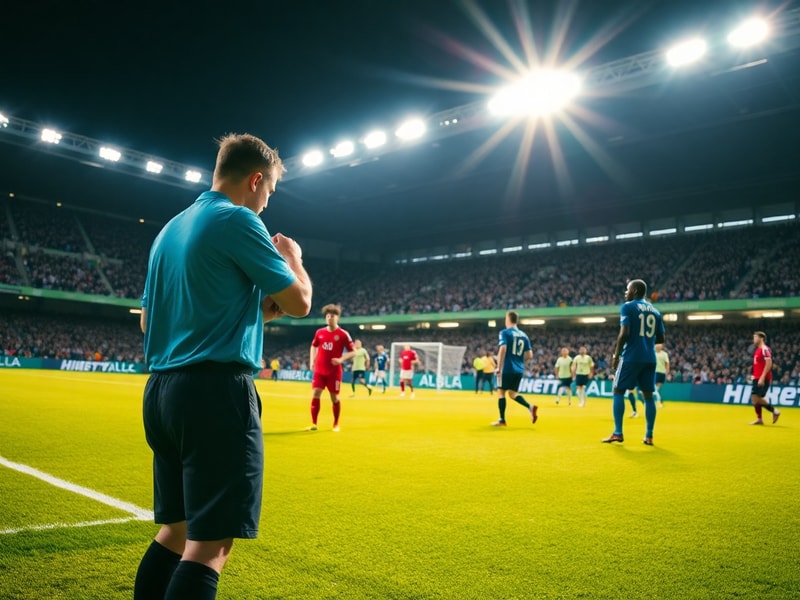
The referee is responsible for tracking and adding stoppage time at the end of each half. This added time compensates for delays such as injuries, substitutions, time-wasting, or disciplinary actions. The amount of stoppage time is entirely at the referee’s discretion, which can lead to variations in total match length.
For example, in a tightly contested match with frequent stoppages, the referee might add three or four minutes to the first half and five or six to the second. In contrast, a game with minimal interruptions could see only one or two minutes added per half. This inconsistency often surprises casual fans who expect a fixed duration.
Stoppage Time: The Unpredictable Factor
Stoppage time, also known as “added time” or “injury time,” is the most variable component of a soccer match. While the 90-minute clock runs continuously, the referee signals the amount of stoppage time to be played at the end of each half. This is typically displayed on a board or communicated to the teams and spectators.
The referee’s decision on stoppage time can significantly impact the flow and outcome of a game. For instance, a team trailing by a goal in the 90th minute may push for a quick restart or tactical fouls to waste time, prompting the referee to add additional minutes. Conversely, a dominant team might benefit from extended stoppage time if they are pressing for a late winner.
Historically, referees have faced criticism for underestimating or overestimating stoppage time, particularly in high-stakes matches. In response, FIFA and other governing bodies have encouraged greater transparency and consistency. Some leagues now use additional assistant referees or technological aids to better track time lost, though the final decision remains with the on-field official.
Common Reasons for Added Time
- Injuries: Players receiving treatment on the field can lead to significant delays.
- Substitutions: Each substitution requires a brief pause, and multiple changes can add up.
- Time-wasting: Deliberate delays, such as goal kicks taken slowly or players kicking the ball away, are penalized with added time.
- Disciplinary actions: Bookings, send-offs, and ensuing discussions with players or managers take time.
- Video Assistant Referee (VAR) reviews: In leagues using VAR, delays for reviews can extend stoppage time.
Extra Time and Penalty Shootouts: When 90 Minutes Aren’t Enough
In knockout competitions, such as the FIFA World Cup or UEFA Champions League, matches tied after 90 minutes proceed to extra time. This consists of two additional 15-minute halves, totaling 30 minutes. Unlike the standard match, the clock stops for substitutions and injuries in extra time, ensuring a clearer accounting of lost time.
If the score remains level after extra time, the match is decided by a penalty shootout. A series of five penalties per team is taken, with sudden death if necessary. Penalty shootouts are not timed in the same way as regular play, though they typically last around 10-15 minutes.
The introduction of the “ABBA” rule in some competitions—where the order of penalties alternates between teams—has added a new layer of strategy. This rule aims to reduce pressure on the team shooting first and create a more balanced contest. However, it has yet to be universally adopted.
For fans and players, extra time and penalty shootouts are high-pressure scenarios that test mental resilience. Teams with strong mental conditioning and penalty specialists often gain an edge in these situations. The unpredictability of penalty shootouts also makes them one of the most dramatic elements of soccer.
Variations Across Leagues and Competitions
While the 90-minute standard is universal, the implementation of stoppage time and extra time can differ across leagues and competitions. For example, Major League Soccer (MLS) in the United States often adds less stoppage time than European leagues like the English Premier League or La Liga. This discrepancy has sparked debates about consistency and fairness.
In youth or amateur matches, referees may add minimal stoppage time to accommodate shorter halves or different rules. Similarly, some youth leagues use running clocks, where the clock stops for goals, injuries, or other delays, effectively shortening the total duration of the match.
International matches, governed by FIFA, tend to adhere closely to the 90-minute standard with added stoppage time. However, even within FIFA competitions, referees have discretion in how they apply the rules. This flexibility ensures that the spirit of the game is upheld, but it can also lead to inconsistencies that frustrate fans and analysts.
For a deeper look at how different leagues handle stoppage time, check out our Sports category for in-depth analysis and comparisons.
The Impact of Added Time on Strategy and Outcomes
The inclusion of stoppage time fundamentally alters the strategies employed by teams, particularly in the final minutes of a match. Coaches must decide whether to prioritize defense, attack, or maintaining possession based on the time remaining and the scoreline. A team leading by a single goal might opt for a more defensive approach, while a trailing team could commit more players to the attack.
Added time also influences player substitutions. Coaches often bring on fresh legs or specialized players, such as those skilled in set pieces or counterattacks, to exploit the final moments. This tactical flexibility is a key reason why matches can feel so dynamic in the dying seconds.
Statistically, teams that score in the first minute of stoppage time are more likely to win the match. This phenomenon highlights the psychological and physical toll of added time on defenders, who may become fatigued or lose concentration. Conversely, teams that concede late goals in stoppage time often face criticism for poor time management or defensive errors.
The unpredictability of added time also affects betting markets and fan expectations. Bookmakers adjust odds in real-time based on the referee’s signals for stoppage time, while fans may experience heightened emotions as the final minutes unfold. This unpredictability is part of what makes soccer so compelling.
For more insights into how stoppage time influences match outcomes, explore our Analysis section, where we break down tactical trends and statistical patterns.
Conclusion: Embracing the Unpredictability of Soccer’s Duration
The duration of a soccer game is far more fluid than a simple 90-minute countdown suggests. Stoppage time, extra periods, and penalty shootouts introduce layers of complexity that shape the narrative of each match. While this unpredictability can be frustrating for fans seeking a clear timeline, it is also what makes soccer so captivating.
Understanding the rules and nuances behind soccer’s duration enhances appreciation for the sport. Whether it’s the drama of a last-minute winner in added time or the tension of a penalty shootout, these elements contribute to soccer’s unique appeal. As the game continues to evolve, so too will the ways in which time is managed and experienced on the field.
Next time you watch a match, pay close attention to the referee’s signals for stoppage time. You’ll likely gain a newfound respect for the intricacies of the game and the decisions that shape its outcome.