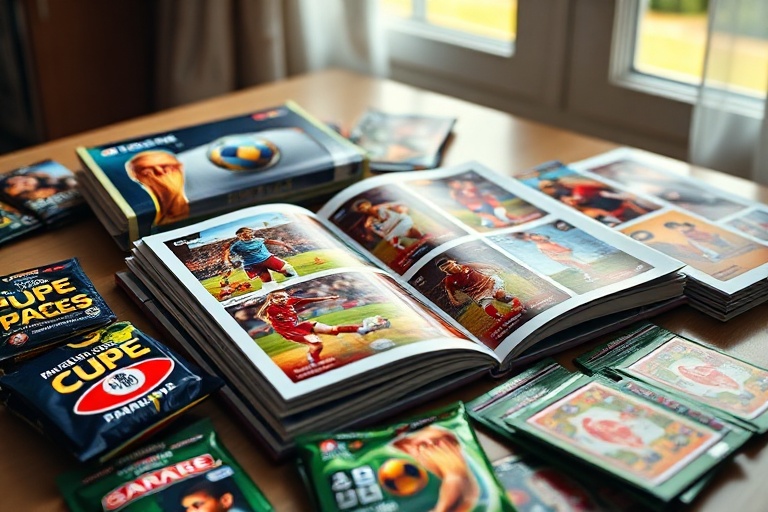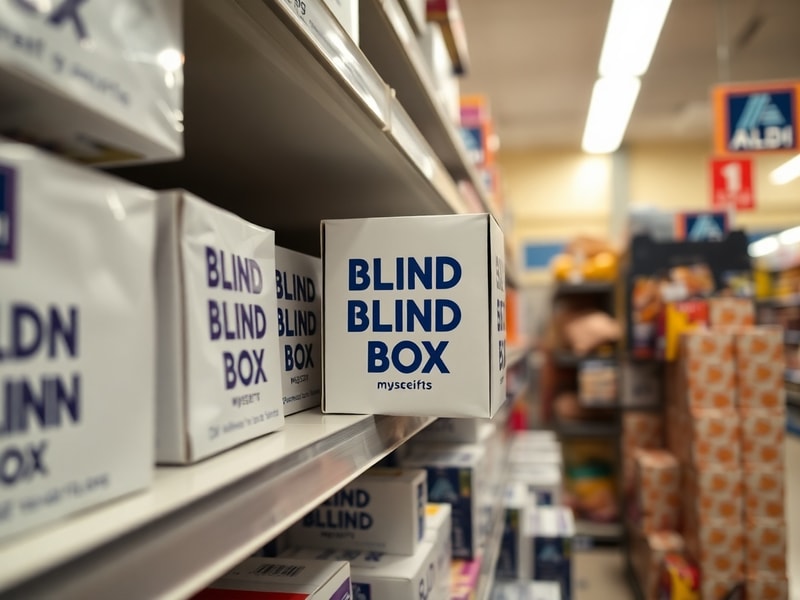
The discount grocery chain Aldi has quietly become a destination for more than just affordable food. Its exclusive blind box products—ranging from snacks to kitchen gadgets—have cultivated a cult following among bargain hunters and collectors alike. These mystery items, often priced under $10, offer a gamble worth taking for many shoppers who enjoy the thrill of discovery.
The trend isn’t entirely new, but Aldi’s approach has refined it into a repeatable experience. Unlike traditional blind boxes that rely on elaborate packaging, Aldi’s versions leverage the store’s signature minimalism. Customers never know what they’ll find until they open the box at home, making each purchase a small adventure.
The Psychology Behind the Blind Box Craze
Consumer behavior experts point to several factors driving the appeal of Aldi’s blind boxes. First is the element of surprise. In an era of algorithm-driven recommendations, a truly unpredictable purchase stands out. Second is the perceived value. Even if the contents aren’t life-changing, the low price point makes the risk negligible.
Psychologists also highlight the role of collectible psychology. Many shoppers treat these boxes like mini treasure hunts, hoping to snag a rare item they can trade or display. The scarcity of certain products—often revealed through social media—amplifies the excitement. Some customers even return to the same store repeatedly, hoping to find a repeat of a previous box’s contents.
What’s Inside These Mystery Boxes?
Aldi’s blind boxes span multiple categories, though snacks and pantry staples dominate. Recent releases have included:
- Seasonal Snacks: Limited-edition holiday treats like gingerbread-flavored cookies or spiced nuts.
- Kitchen Gadgets: Uncommon tools like avocado slicers or egg separators, often priced at $5–$8.
- Global Favorites: International snacks from Aldi’s international aisle, repackaged for mystery appeal.
- Collaborations: Tie-ins with brands like Reese’s or Chips Ahoy, offering exclusive flavors.
The contents are rarely groundbreaking, but that’s part of the charm. The boxes thrive on curiosity over quality, a philosophy that aligns perfectly with Aldi’s no-frills brand. Some shoppers joke that the real prize is the $5 they saved by not buying a full-sized version of whatever they get.
Why Aldi’s Approach Works Better Than Competitors
Aldi isn’t the first retailer to experiment with blind boxes. Target, Walmart, and even specialty brands like Loot Crate have dabbled in the space. However, Aldi’s model succeeds where others falter for three key reasons:
- Accessibility: Aldi’s stores are everywhere, and its products are priced for impulse buys. A $5 box is an easy decision for most shoppers.
- Brand Trust: Unlike third-party sellers, Aldi’s reputation for quality (and low prices) reassures customers that even a dud will be safe to use.
- Rotating Inventory: The limited availability of certain boxes creates urgency. Shoppers know the next restock might not include their favorite flavor or gadget.
Competitors often overcomplicate their blind box strategies with high price points or overly elaborate themes. Aldi keeps it simple: a box, a price, and a gamble. The result is a low-risk, high-reward formula that keeps customers coming back.
Community and Social Media Fuel the Trend
The blind box phenomenon isn’t just a retail strategy—it’s a social one. Platforms like TikTok and Instagram have become hubs for unboxing videos, hauls, and even trading communities. Aldi’s boxes, in particular, have inspired a niche of collectors who document their finds in meticulous detail.
Hashtags like #AldiFinds and #AldiHaul boast millions of views, with users showcasing everything from hilariously mismatched snacks to surprisingly useful gadgets. Some creators even turn their discoveries into full-time content, reviewing Aldi’s mystery boxes alongside other discount store hauls.
This organic marketing is invaluable for Aldi. User-generated content builds trust and excitement in ways traditional ads never could. For a company that spends relatively little on advertising, the blind box strategy is a masterclass in leveraging community-driven hype.
The Dark Side of Blind Box Shopping
Of course, not every Aldi blind box delivers. Some shoppers report receiving items they already own or duplicates of common products. Others admit to feeling a pang of disappointment when their $7 box contains nothing more exciting than a bag of pretzels they could’ve bought individually for $2.
There’s also the environmental concern. The cardboard boxes, while recyclable, contribute to waste if shoppers discard them after one use. Aldi hasn’t addressed this directly, but the company’s overall commitment to sustainability (like eliminating plastic bags) suggests future boxes may use eco-friendlier materials.
For most, though, these drawbacks are minor. The thrill of the unknown outweighs the risk, especially when the downside is as small as a few dollars.
Should You Try an Aldi Blind Box?
If you’re on the fence, consider this: Aldi’s blind boxes are designed for casual fun, not serious collecting. They’re perfect for:
- Office snack drawers
- Stocking stuffers
- Kids’ lunchboxes (the novelty factor is high)
- Gift exchanges (where the mystery adds charm)
On the other hand, if you’re someone who prefers control over your purchases—or dislikes the idea of potential waste—these boxes might not be for you. But for the rest of us, they offer a rare blend of affordability and surprise in a retail landscape dominated by predictability.
For more on how discount retailers are innovating their product lines, check out our Trending section or explore the Food category for deeper dives into grocery trends.
Aldi’s blind boxes prove that sometimes, the simplest ideas are the most effective. In a world where consumers are bombarded with choices, a little mystery can go a long way.