Brazil’s Adventure Tourism Boom Meets Tragic Reality
The lush landscapes of Brazil have long been synonymous with adventure tourism, drawing thrill-seekers from across the globe to its towering waterfalls, dense rainforests, and urban skylines. Among the most iconic of these experiences is bungee jumping, a sport that combines adrenaline with breathtaking views. Yet, the recent sports accident in Brazil has cast a shadow over this thriving industry, raising critical questions about safety standards and regulatory oversight.
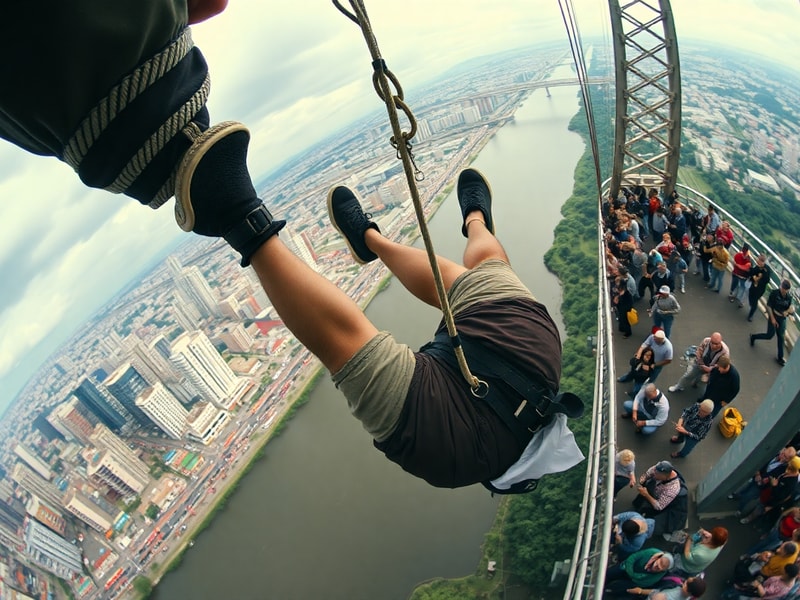
On a typical weekend in Rio de Janeiro, tourists often gather at the city’s most famous jump site, the 72-meter-tall platform overlooking the Guanabara Bay. The site, known for its vibrant atmosphere and postcard-perfect backdrop, has become a symbol of Brazil’s adventurous spirit. However, the incident that unfolded in late May 2024 has left many questioning whether the country’s rapid growth in extreme sports has outpaced its ability to ensure participant safety.
The Accident That Shook the Community
A routine bungee jump ended in tragedy when a 28-year-old American tourist, Alex Carter, plunged to his death after the bungee cord failed to deploy properly. The accident occurred at the Ponte do Piqueri jump site in São Paulo, a popular destination for both locals and international visitors. Eyewitnesses reported hearing a loud snap followed by a scream as Carter’s body hit the water below.
Local authorities launched an immediate investigation, which revealed that the bungee cord used during the jump was over five years old—a violation of Brazil’s adventure tourism regulations. The operator, Salto Radical, has since been suspended pending further review. This incident is not an isolated case. Over the past three years, Brazil has seen at least four fatal bungee-related accidents, according to data from the Brazilian Adventure Sports Federation (FEB).
Brazil’s Adventure Tourism Industry Under Scrutiny
Brazil’s reputation as a premier destination for extreme sports has grown significantly in the past decade. The country’s diverse geography—from the Amazon rainforest to the Atlantic coastline—provides a natural playground for activities like paragliding, zip-lining, and, of course, bungee jumping. The industry contributes over $2 billion annually to Brazil’s economy, according to a 2023 report by the Ministry of Tourism.
Yet, this economic boom has not been without its challenges. A 2022 audit by the Brazilian National Civil Aviation Agency (ANAC) found that 60% of adventure tourism operators were operating without proper certification. The report highlighted several systemic issues:
- Inadequate training for staff and operators
- Lack of standardized safety protocols
- Minimal government oversight in rural and remote areas
- Inconsistent equipment maintenance and inspection
“The industry is growing faster than the regulations can keep up,” said Dr. Mariana Silva, a tourism safety expert at the University of São Paulo. “While Brazil has made strides in promoting adventure tourism, the lack of a unified regulatory body means that safety standards vary widely from state to state.”
A Global Perspective on Adventure Tourism Safety
Brazil is not alone in facing these challenges. Countries like New Zealand, Australia, and Thailand have also grappled with balancing the economic benefits of adventure tourism with the need for stringent safety measures. New Zealand, for example, introduced the Adventure Activities Regulations in 2012, which require operators to undergo regular audits and maintain detailed safety logs. The result? A 40% reduction in adventure-related fatalities over the past decade.
In contrast, Brazil’s approach has been more reactive than proactive. While the government has acknowledged the need for reform, progress has been slow. The Ministry of Tourism has proposed a new certification program for adventure tourism operators, but implementation has been delayed due to budget constraints and bureaucratic hurdles.
Globally, adventure tourism is a $650 billion industry, according to the Adventure Travel Trade Association (ATTA). With Brazil positioning itself as a major player, the stakes are higher than ever. The recent accidents have sparked calls for international collaboration, with experts urging Brazil to adopt global best practices before more lives are lost.
What’s Next for Brazil’s Bungee Jumping Industry?
The fallout from the recent accident has been swift. In addition to the suspension of Salto Radical, local authorities in São Paulo and Rio de Janeiro have announced unannounced inspections of all bungee jumping sites. The Brazilian Adventure Sports Federation (FEB) has also called for a nationwide audit of equipment and operator certifications.
For tourists, the message is clear: research thoroughly before booking an adventure activity. The FEB recommends checking for the following certifications:
- Operators licensed by the Ministry of Tourism
- Equipment inspected by an accredited third-party organization
- Staff trained in first aid and emergency response
- Transparent safety records and incident reporting
Meanwhile, the adventure tourism industry in Brazil faces a critical moment. Will the recent tragedies serve as a wake-up call, or will the pursuit of profit continue to overshadow safety? The answer may well determine the future of Brazil’s reputation as a premier destination for thrill-seekers.
A Call for Collective Responsibility
The bungee jumping accident in Brazil is more than just a tragic headline—it is a reminder of the human cost of unchecked growth. Adventure tourism has the power to transform economies and create unforgettable experiences, but it must never come at the expense of human life.
As Brazil grapples with this crisis, the world watches. The lessons learned here could shape the future of adventure tourism not just in Brazil, but across the globe. One thing is certain: the thrill of the jump should never be overshadowed by the preventable tragedies that follow.