As the sun sets on another era of entertainment dominance, House of the Dragon Season 3 prepares to reignite the flames of Westeros. The second season concluded with Daemon Targaryen’s infamous line, “I am the storm,” leaving audiences worldwide in stunned silence. Now, anticipation builds for what promises to be a season of vengeance, strategy, and perhaps the most brutal power struggles yet.
The show, a prequel to Game of Thrones, has already etched its name into global pop culture. Its intricate storytelling and visually stunning portrayal of Targaryen dynasty politics have drawn comparisons to epic historical sagas. But Season 3 isn’t just another chapter—it’s a turning point. With the Dance of the Dragons looming, the stakes have never been higher.
The Battle Lines Are Drawn: Major Factions and Their Goals
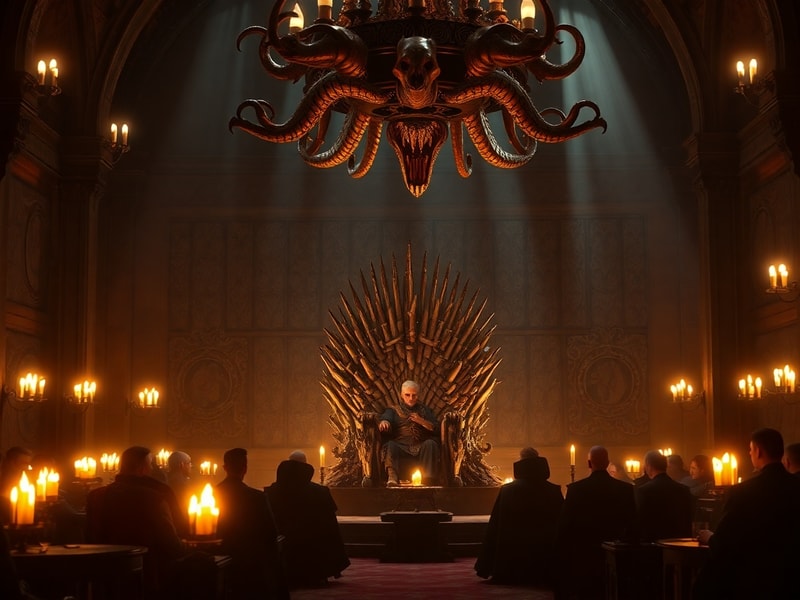
Westeros is no longer a fractured kingdom; it’s a powder keg. The alliances formed in Season 2 are fragile, and the lines between loyalty and betrayal have blurred. At the heart of the conflict is the claim to the Iron Throne, now contested between Queen Rhaenyra Targaryen and her half-brother Aegon II. But behind each monarch stands a web of supporters, each with their own ambitions.
Below is a breakdown of the key factions vying for control:
- The Blacks (Rhaenyra’s Supporters): Led by Rhaenyra, this faction includes her children, loyal lords, and those who believe in the right of a woman to rule. Their strength lies in naval power and the loyalty of Dragonstone.
- The Greens (Aegon II’s Supporters):
- Dragonriders and Their Dragons: Dragons are not just weapons—they are symbols of divine right. The loyalty of dragonriders will determine the outcome of aerial battles and morale on the ground.
- The Faith of the Seven: A religious order that once held immense power, now torn between neutrality and intervention. Their stance could shift the balance between both sides.
This isn’t just a war of swords and fire—it’s a war of ideologies. The Blacks represent reform and legitimacy, while the Greens embody tradition and survival. The outcome will redefine Westeros for generations.
Cultural Echoes: How House of the Dragon Reflects Modern Power Struggles
House of the Dragon isn’t just a medieval fantasy—it’s a mirror held up to contemporary society. The show explores themes of succession, gender, religion, and media manipulation, all of which resonate deeply in today’s global discourse.
Consider the role of dragons. In the story, dragons are both tools of war and symbols of divine favor. Today, we might think of nuclear weapons or AI—technologies that promise power but carry existential risks. The show forces viewers to question who controls these forces and what price is paid for their use.
Gender dynamics also play a central role. Rhaenyra’s claim to the throne challenges centuries of male dominance. Her struggle reflects real-world fights for women’s leadership roles in government, corporate boardrooms, and cultural institutions. The show doesn’t shy away from the double standards she faces—only time will tell if Season 3 amplifies or subverts these tensions.
Moreover, the role of media and propaganda is subtly woven into the narrative. The maesters’ records, the bards’ songs, and even the whispers of smallfolk all shape public perception. In an era of social media and misinformation, this theme feels eerily familiar.
Global Reception and Fan Theories: A World Obsessed
House of the Dragon has achieved remarkable global reach. According to HBO, Season 2 drew over 29 million viewers across HBO platforms in its first 30 days—making it one of the most-watched shows in the network’s history. The show’s popularity spans continents, from the United States to India, Brazil, and Japan.
Fan communities, particularly on platforms like Reddit and Discord, have become hubs of analysis, speculation, and fan art. One of the most debated topics is the fates of key characters. Will Daemon’s ambition lead him to ruin? Can Rhaenyra unite the realm without betraying her ideals? And what of Aemond, whose rage and grief have made him one of the most compelling villains in modern television?
Some fans speculate that Season 3 will introduce new characters from the books, such as Lord Cregan Stark, whose arrival could bring the North into the conflict. Others believe we’ll see the first major dragon battle since Season 1’s fiery spectacle. Whatever unfolds, the show’s writers have promised “a season of fire and blood.”
Production and Visual Evolution: Raising the Bar
From a production standpoint, Season 3 is a leap forward. The show’s VFX team has refined its dragon-scale rendering, making the creatures feel even more alive and terrifying. Filming took place across Spain, the UK, and Ireland, leveraging historic castles and rugged landscapes to enhance authenticity.
The costume department has also outdone itself. Season 2 introduced dozens of new outfits, each meticulously designed to reflect character arcs and cultural influences. For example, Rhaenyra’s evolving wardrobe mirrors her transformation from a grieving widow to a determined queen. Meanwhile, the Greens’ attire grows darker and more militaristic, signaling their shift toward ruthless pragmatism.
Music remains a cornerstone of the show’s emotional impact. Composer Ramin Djawadi’s score blends Celtic, orchestral, and electronic elements, creating a soundscape that feels both ancient and modern. The theme “The Prince That Was Promised” has become iconic, often used in fan edits and even viral TikTok trends.
Conclusion: Why House of the Dragon Season 3 Matters
House of the Dragon Season 3 isn’t just another fantasy drama—it’s a cultural event. It challenges viewers to reflect on power, legacy, and morality while delivering cinematic spectacle. As the Dance of the Dragons begins, audiences worldwide will be watching, waiting, and wondering: who will sit on the Iron Throne?
One thing is certain: the season will redefine what it means to be a fantasy epic in the 21st century. Whether you’re a longtime fan or a newcomer drawn in by the hype, prepare for a journey into fire, blood, and the very soul of Westeros.