In the competitive world of sports marketing and brand development, few names resonate as strongly as Mike Lyons. His career spans over two decades, during which he has shaped the identities of some of the most recognizable sports franchises and personalities across the globe. What sets Lyons apart is not just his business acumen but his ability to blend cultural relevance with commercial success, creating narratives that extend far beyond the field or court.
The Early Years: Building a Foundation
Mike Lyons’ journey began in the early 1990s, a time when sports marketing was still finding its footing as a distinct industry. Fresh out of college with a degree in marketing, Lyons took an entry-level position at a small agency in New York City. His first major break came when he was tasked with developing a campaign for a minor league baseball team. Though the project was modest, Lyons approached it with a level of creativity that caught the attention of his superiors.
By the late 1990s, Lyons had moved to a larger firm, where he worked on high-profile accounts for sports leagues and athletes. His ability to craft compelling stories around brands—turning players into personalities and teams into cultural icons—quickly made him a sought-after strategist. Colleagues remember him as someone who could distill complex ideas into simple, engaging messages, a skill that would define his later work.
Global Expansion: Taking Sports Brands Worldwide
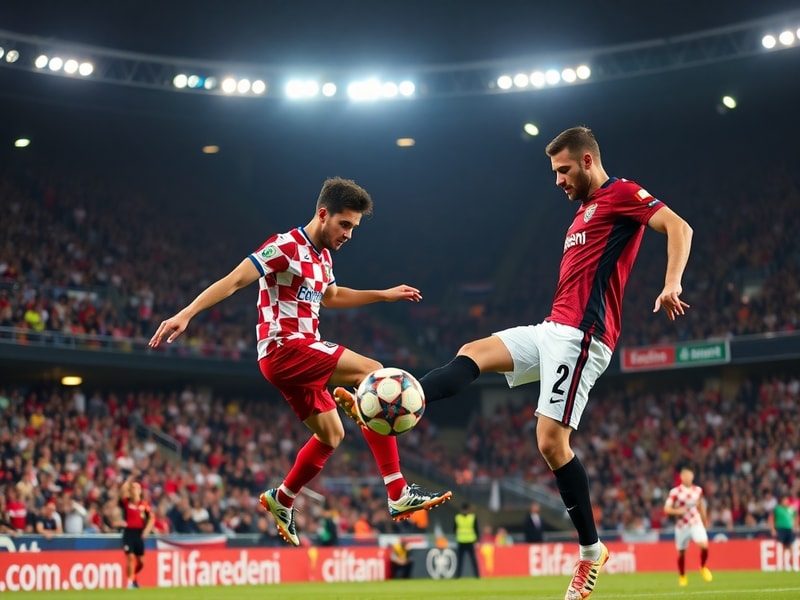
Lyons’ career took a significant turn in the early 2000s when he joined a major sports marketing agency with a global reach. His role involved expanding the agency’s footprint into emerging markets, particularly in Asia and Europe. One of his first major international projects was repositioning a struggling European football club into a marketable brand. Lyons focused on three key areas: fan engagement, digital presence, and corporate partnerships. The result was a 300% increase in merchandise sales and a surge in international followers.
His work in Asia further solidified his reputation. Lyons recognized early on that sports marketing in the region required a different approach. While Western markets thrived on nostalgia and tradition, Asian audiences responded to innovation and modernity. He spearheaded campaigns that incorporated local influencers, digital platforms like Weibo and LINE, and partnerships with technology brands. This adaptability became a hallmark of his career, allowing him to bridge cultural gaps effortlessly.
Key Strategies in Global Sports Marketing
Lyons’ success can be attributed to several core strategies:
- Localization: Adapting campaigns to resonate with regional audiences without diluting the core brand identity.
- Digital Integration: Leveraging social media and streaming platforms to create interactive fan experiences.
- Storytelling: Crafting narratives that connect emotionally with fans, turning casual viewers into loyal supporters.
- Partnerships: Collaborating with non-traditional brands (e.g., tech, fashion) to expand reach and relevance.
The Cultural Impact: Beyond the Scoreboard
What makes Mike Lyons’ work stand out is its cultural footprint. He has consistently pushed the boundaries of what sports marketing can achieve, turning athletes into global icons and teams into cultural symbols. For example, his work with a tennis player from Eastern Europe didn’t just promote the athlete’s career—it redefined how Eastern European sports stars were perceived worldwide. By highlighting their personal stories and using social media to humanize them, Lyons helped shift perceptions and opened doors for future generations.
Lyons also played a pivotal role in the rise of esports as a mainstream marketing opportunity. When traditional sports leagues were hesitant to engage with gaming culture, Lyons saw an untapped potential. He brokered partnerships between esports organizations and major consumer brands, proving that the two worlds could coexist and thrive together. This forward-thinking approach has since become a blueprint for other marketers.
Legacy and Future Directions
Today, Mike Lyons is widely regarded as one of the most influential figures in sports marketing. His influence extends beyond his professional achievements; he has mentored countless young professionals, many of whom now occupy leadership roles in the industry. Lyons himself remains active, though he has shifted his focus toward philanthropy and education. He frequently speaks at universities and industry conferences, emphasizing the importance of ethical marketing and cultural sensitivity.
Looking ahead, Lyons is particularly interested in the intersection of sports, technology, and social change. He has invested in several startups that use AI to analyze fan behavior and VR to enhance live event experiences. His latest project involves a global initiative to promote diversity and inclusion in sports leadership, a cause he believes is long overdue.
“Sports have the power to bring people together, but only if we’re intentional about how we use that power. It’s not just about selling tickets or jerseys—it’s about creating moments that matter.” — Mike Lyons
For aspiring marketers, Lyons’ career offers a masterclass in adaptability and vision. His ability to navigate different cultures, technologies, and trends demonstrates that success in this field requires more than just business savvy—it demands a deep understanding of human behavior and societal shifts.
Lessons from Mike Lyons’ Career
- Stay Curious: The best marketers are lifelong learners. Lyons constantly studies emerging trends and consumer behaviors.
- Embrace Risk: Many of his most successful campaigns were born from taking calculated risks, such as entering esports early.
- Prioritize Authenticity: Fans can spot inauthenticity a mile away. Lyons’ campaigns always rooted in genuine stories and values.
- Think Globally: In today’s interconnected world, local success is no longer enough. Lyons’ work proves that global thinking is essential.
Mike Lyons’ story is far from over. As sports continue to evolve—and as new technologies reshape how we consume entertainment—his influence will likely grow even stronger. For those who follow in his footsteps, the message is clear: the future of sports marketing isn’t just about the game. It’s about the people, the stories, and the connections that transcend borders.