2026 FIFA World Cup: Hosts, Format, and What to Expect
“`html
2026 FIFA World Cup: Three Nations, 16 More Teams, and a New Era for Football
The 2026 FIFA World Cup marks a historic shift in tournament structure and global representation. For the first time, three countries—Canada, Mexico, and the United States—will co-host the event, expanding the competition to 48 teams. This expansion, approved by FIFA in 2017, aims to grow the sport’s global footprint while testing the logistical and economic viability of a multi-national tournament. As preparations accelerate, the event promises to redefine international football, from stadium innovations to fan experiences.
Host Selection and Legacy of Co-Hosting
The decision to award the 2026 World Cup to a trio of nations reflects FIFA’s strategic push toward inclusivity and accessibility. Canada, Mexico, and the U.S. were chosen over Morocco in a vote by FIFA member associations, signaling confidence in North America’s infrastructure and football culture. Unlike past co-hosted editions—such as the 2002 tournament in Japan and South Korea—this event will span three distinct nations across vast distances, from Vancouver to Atlanta to Mexico City.
Each host brings unique strengths. The U.S. offers the largest stadium capacity, including the 80,000-seat MetLife Stadium in New Jersey and SoFi Stadium in Los Angeles. Mexico leverages its passionate fan culture and existing World Cup experience, having hosted twice before. Canada contributes fresh venues like Toronto’s BMO Field and Vancouver’s BC Place, alongside a bid to grow its domestic league.
Legacy planning is central to the bid’s vision. Organizers have pledged to invest in youth development programs, sustainability initiatives, and legacy stadium uses beyond the tournament. For example, Atlanta’s Mercedes-Benz Stadium will host matches before transitioning to a multi-purpose venue for concerts and local sports. These efforts aim to ensure the World Cup leaves a lasting impact on football infrastructure across North America.
Stadiums and Host Cities: A Diverse Landscape
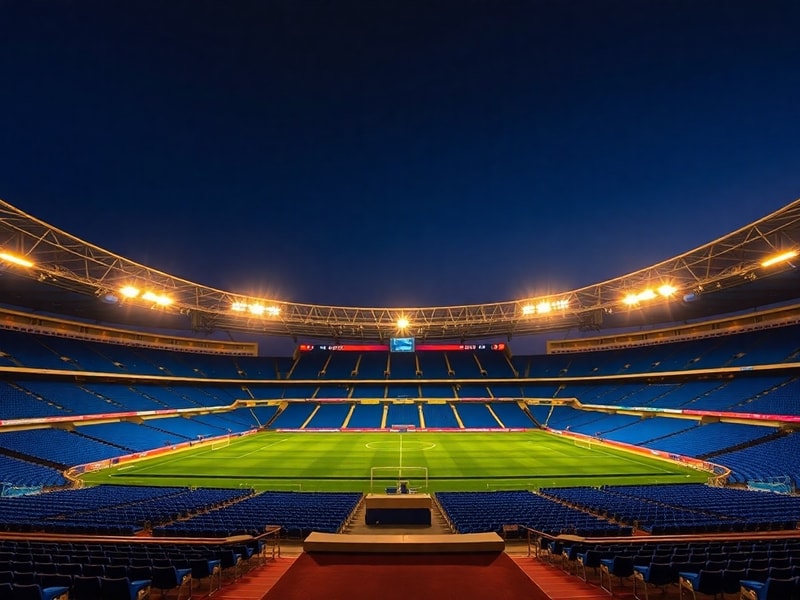
A total of 16 host cities have been confirmed, each selected for their ability to meet FIFA’s technical requirements and fan experience standards. The venues range from historic stadiums like Mexico City’s Azteca—slated to host the opening match—to modern, climate-controlled arenas like Dallas’s AT&T Stadium. Climate considerations, particularly heat and humidity in southern venues, have driven discussions around cooling technologies and scheduling adjustments.
Notably absent from the final list is Toronto, which was initially included but later removed due to construction delays at BMO Field. The revised lineup ensures a mix of urban centers and football-crazy regions, from Boston to Guadalajara. Transportation infrastructure, including expanded flight routes and high-speed rail connections, is also under development to facilitate movement between cities.
Security and fan zones are another priority. Cities like New York/New Jersey and Los Angeles are preparing large public viewing areas, while authorities are coordinating across borders to streamline visa processes and crowd management. The challenge of policing such a geographically dispersed event has prompted early coordination between federal and local agencies.
The Expanded Format: 48 Teams, New Dynamics
The expansion to 48 teams represents the most significant change to the World Cup in decades, aiming to include more nations from Africa, Asia, and North America. The format divides teams into 12 groups of four, with the top two from each group advancing to a 32-team knockout stage. This structure increases the total number of matches from 64 to 80, raising questions about player workload and tournament fatigue.
Critics argue that diluting the quality of competition could diminish the tournament’s prestige, while proponents highlight the opportunity for underrepresented nations to compete on the global stage. For example, teams like Canada, Jamaica, and Haiti could earn automatic berths, boosting regional interest and development. Meanwhile, traditional powerhouses like Brazil and Germany face stiffer competition from emerging squads.
The expanded format also affects qualification pathways. UEFA, which previously allocated 13 spots, now has 16, while CAF (Africa) gains an additional four places. This shift reflects FIFA’s goal of growing the game globally, though it risks overcrowding the international calendar, particularly for clubs already stretched by domestic leagues and continental tournaments.
Potential Storylines and Dark Horses
With more teams in the mix, the 2026 World Cup could produce unexpected heroes. Nations like Morocco, which reached the knockout stages in 2022, may again challenge established teams, while Asian qualifiers like Japan or South Korea could emerge as dark horses. The tournament also offers a platform for young talents to shine, with players like England’s Jude Bellingham or Argentina’s Claudio Echeverri poised to make their mark.
For host nations, the pressure is on. Canada, ranked 48th in FIFA’s standings, will aim to exceed expectations, while Mexico and the U.S. hope to capitalize on home advantage. The U.S. team, in particular, has invested heavily in its youth academy system and could field a competitive squad capable of advancing deep into the tournament.
Off the pitch, political and social dynamics may also play a role. Issues like human rights, environmental sustainability, and athlete activism could resurface, particularly in a region where debates over stadium funding and labor practices have drawn scrutiny. Organizers have committed to adhering to FIFA’s human rights policies, but enforcement remains a challenge.
Economic Impact and Challenges Ahead
The financial stakes are enormous. FIFA projects revenue of over $11 billion, with host nations expected to generate billions in tourism, sponsorships, and infrastructure investments. However, past tournaments have shown that costs can spiral, and long-term returns are not guaranteed. Montreal’s Olympic Stadium, built for the 1976 Games, remains a financial burden for the city decades later.
For 2026, early estimates suggest the U.S. will bear the largest share of costs, with public funding covering stadium upgrades and transportation projects. Mexico and Canada are focusing on leveraging existing infrastructure to minimize expenses. Sponsorship deals, including partnerships with brands like Adidas and Visa, are already in place, but concerns linger about over-commercialization diluting the tournament’s authenticity.
Another challenge is ticket accessibility. With demand expected to dwarf supply, FIFA is exploring dynamic pricing models and fan engagement initiatives to ensure fair distribution. Digital platforms will play a key role in ticketing, but organizers must guard against scalping and fraud.
Lessons from Past Tournaments
Comparisons to recent World Cups highlight both opportunities and pitfalls. The 2022 tournament in Qatar faced criticism over human rights issues and climate concerns, but it also delivered a compact, high-quality event. The 2018 World Cup in Russia showcased the risks of overspending and underwhelming fan engagement outside host cities. Meanwhile, the 2014 tournament in Brazil underscored the importance of legacy planning, with many stadiums struggling for post-event viability.
For 2026, organizers are emphasizing sustainability, with goals to reduce carbon emissions by 50% compared to previous editions. Renewable energy, waste reduction, and public transit are central to this strategy. Fan experiences are also being reimagined, with augmented reality features and multilingual support to cater to a global audience.
What Fans Can Expect in 2026
Beyond the matches, the 2026 World Cup aims to redefine the fan experience. Innovations like FIFA+—the governing body’s streaming platform—will offer unprecedented access to behind-the-scenes content and live stats. Virtual reality could allow fans to watch matches from unique angles, while AI-driven personalization will tailor content to individual preferences.
Culturally, the tournament will celebrate North America’s diversity. From mariachi bands in Mexico City to hip-hop performances in New York, music and art will play a central role in opening and closing ceremonies. Food vendors will showcase regional cuisines, from Tex-Mex to poutine, reflecting the hosts’ multicultural identities.
For those planning to attend, early advice includes booking accommodations well in advance and exploring multi-city itineraries. With matches spread across three countries, fans have the chance to experience a continent-wide festival of football. However, travel logistics, including visa requirements and transportation networks, will require careful planning.
The 2026 FIFA World Cup is more than a sporting event; it’s a cultural and economic experiment. By uniting three nations under a shared goal, FIFA hopes to showcase football’s power to bridge divides and inspire future generations. Yet, the challenges—from logistical hurdles to ethical concerns—are as significant as the opportunities. As the tournament approaches, the world will watch to see whether this bold vision delivers on its promise.
For deeper analysis on football tactics and team preparations, explore our Analysis section. To stay updated on host city developments, visit our News page.