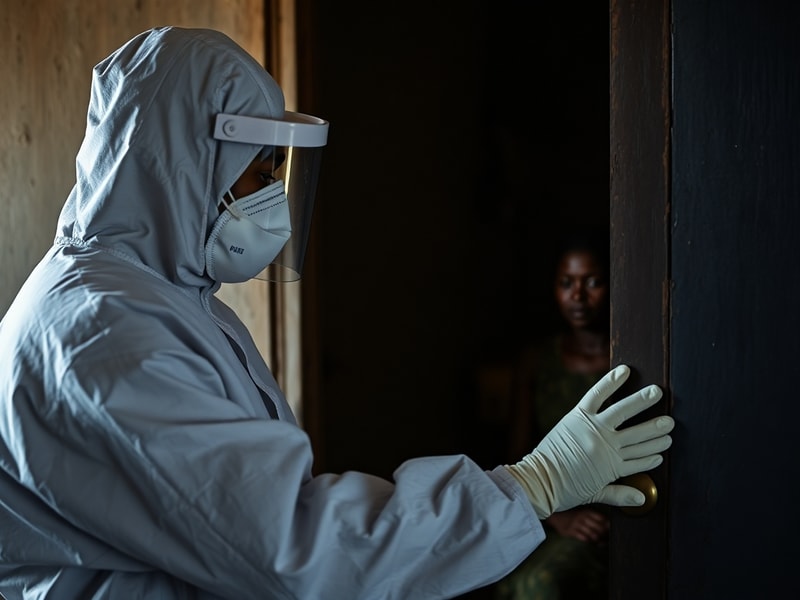
The Democratic Republic of Congo (DRC) continues to face recurrent Ebola outbreaks, with the most recent resurgence highlighting persistent challenges in public health infrastructure and international preparedness. While the world’s attention often shifts to other global crises, the recurring nature of these outbreaks demands sustained scrutiny. Understanding the patterns, responses, and broader implications is essential for both policymakers and the general public.
The Current State of the Outbreak
As of mid-2024, health authorities in the DRC have reported a new cluster of Ebola cases in the northeastern province of North Kivu. This region, already grappling with decades of conflict and displacement, presents a uniquely difficult environment for outbreak containment. Local health workers and international teams are deploying rapid response strategies, including contact tracing, vaccination campaigns, and community engagement to curb transmission.
Ebola, a viral hemorrhagic fever, remains one of the deadliest diseases known to humans, with a case fatality rate that can exceed 50% depending on the strain and access to care. The current outbreak involves the Zaire ebolavirus species, the same strain responsible for the devastating 2014-2016 West Africa epidemic. While medical advancements such as vaccines and treatments have improved outcomes, logistical hurdles in conflict zones often delay critical interventions.
Why Congo Keeps Facing Ebola Resurgences
Several structural factors contribute to the persistent recurrence of Ebola in the DRC. First, the region’s dense tropical rainforests serve as natural reservoirs for the virus, with bats and other wildlife acting as carriers. Human encroachment into these ecosystems, driven by mining, logging, and agriculture, increases the likelihood of spillover events.
Second, chronic instability and armed conflict disrupt healthcare systems, making surveillance and response efforts inconsistent. Communities in conflict zones are often distrustful of outsiders, complicating efforts to track cases and administer vaccines. Additionally, the movement of displaced populations across porous borders—particularly into Uganda, Rwanda, and South Sudan—creates cross-border transmission risks.
Third, funding gaps and competing global health priorities divert attention and resources away from Ebola preparedness. While organizations like the World Health Organization (WHO) and Gavi, the Vaccine Alliance, have made progress, sustained investment is necessary to maintain readiness for future outbreaks.
Key Factors in the DRC’s Ebola Challenge
- Ecological spillover: Forest disruption increases human-wildlife contact.
- Conflict and displacement: Weakens healthcare infrastructure and surveillance.
- Vaccine hesitancy: Local distrust of health workers hinders immunization efforts.
- Cross-border risks: Unregulated movement fuels regional spread.
Global Response and Lessons Learned
The international community has responded to the DRC’s Ebola crises with a mix of emergency aid, technical support, and research initiatives. During the 2018-2020 North Kivu outbreak—the second-largest in history—global health agencies deployed experimental vaccines and treatments, achieving a significant reduction in mortality rates compared to previous outbreaks.
However, the response has not been without criticism. Delays in deploying vaccines due to bureaucratic hurdles and funding shortages have been cited as preventable missteps. Additionally, the heavy reliance on foreign experts has sometimes overshadowed the need to strengthen local health systems, leaving communities vulnerable once international teams withdraw.
Looking ahead, experts emphasize the importance of integrating Ebola preparedness into broader health security frameworks. This includes strengthening laboratory networks, improving cross-border collaboration, and investing in community-based surveillance systems that empower local leaders to detect and respond to threats early.
Broader Implications: Beyond the Immediate Crisis
The recurrence of Ebola in the DRC is not merely a regional health issue—it carries global implications. First, the virus’s ability to cross borders underscores the need for a unified international response. The COVID-19 pandemic demonstrated how quickly infectious diseases can spread in an interconnected world, making early detection and containment in high-risk regions a shared priority.
Second, the DRC’s Ebola outbreaks highlight the intersection of health and security. In conflict zones, health crises often exacerbate humanitarian emergencies, displacing populations and straining already limited resources. Addressing these challenges requires collaboration between health agencies, peacekeeping forces, and development organizations.
Finally, the DRC’s experience offers critical lessons for pandemic preparedness. The world’s response to Ebola has shown that rapid vaccine development and deployment are possible, but only if accompanied by robust infrastructure and political will. As climate change and deforestation expand the habitats of zoonotic viruses, the risk of future pandemics grows. The DRC’s recurring outbreaks serve as a warning of what may lie ahead if proactive measures are not taken.
Long-Term Strategies to Mitigate Future Outbreaks
- Strengthen local health systems: Invest in training, equipment, and salaries for DRC health workers.
- Expand vaccine access: Ensure equitable distribution and community trust-building campaigns.
- Enhance cross-border coordination: Improve data-sharing and joint response plans with neighboring countries.
- Address ecological drivers: Implement policies to reduce deforestation and regulate wildlife trade.
- Prioritize funding: Secure long-term commitments from global donors to avoid reactive shortfalls.
The path forward for the DRC’s Ebola response is fraught with challenges, but it is not without hope. Recent advancements in diagnostics, therapeutics, and community engagement offer promising tools to turn the tide. However, success will depend on sustained political commitment, equitable resource distribution, and a recognition that health security is a global public good. For now, the DRC remains on the front lines of a fight that demands both immediate action and long-term vision.
For further reading on global health crises and their societal impacts, visit Dave’s Locker Health and Dave’s Locker News for in-depth analysis and updates.