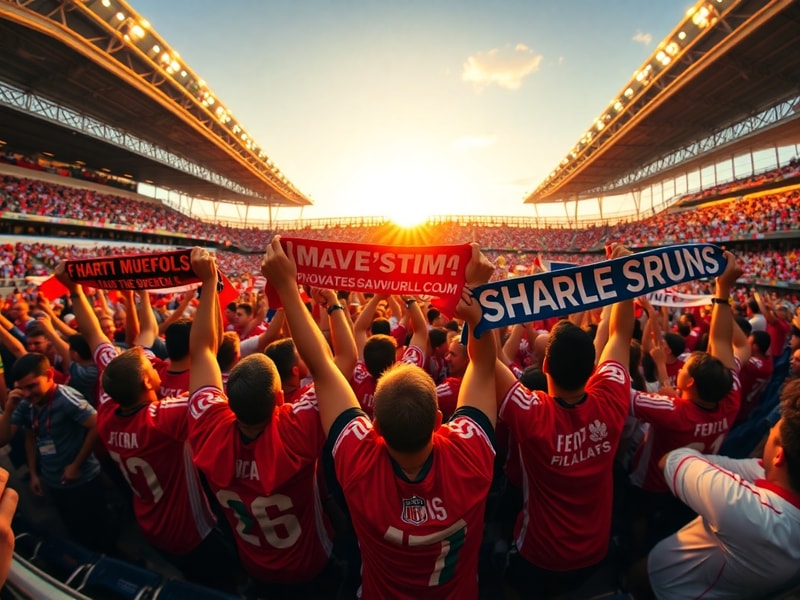
The World Cup isn’t just a tournament—it’s a global spectacle that unites billions. While millions watch matches on television or in stadiums, a growing number are taking their engagement further by participating in World Cup Fantasy leagues. These platforms transform casual fandom into strategic competition, blending passion for the game with the thrill of prediction and team management.
Fantasy sports have evolved beyond niche hobbies into mainstream entertainment, especially during major international tournaments. The World Cup, with its two-week intensity and unpredictable outcomes, provides the perfect stage for fantasy platforms to thrive. Fans from Tokyo to Toronto, Lagos to London, are logging in to draft players, adjust lineups, and chase bragging rights—all while immersing themselves deeper into the tournament’s drama.
Why Fantasy Soccer Captivates a Global Audience
Fantasy World Cup platforms tap into something universal: the desire to feel connected. For expatriates separated from home, fantasy leagues offer a way to reconnect with national identity. A Brazilian fan living in Berlin can still “represent” their country by selecting Neymar or Vinícius Jr. Similarly, a Ghanaian supporter in Chicago can track their fantasy team’s performance alongside the Black Stars’ real-world results.
This digital camaraderie extends beyond borders. Fantasy platforms often include social features—chat rooms, leaderboards, and group challenges—that turn competition into community. A study by the International Journal of Sports Marketing found that over 40% of fantasy soccer participants cite social interaction as a primary motivation, not just the love of the game.
Cultural nuances also shape how fantasy is played. In regions like South Asia and Latin America, where cricket and football rival each other in popularity, fantasy soccer platforms must compete with cricket-based games. Yet during the World Cup, football takes center stage, drawing in millions who might otherwise focus on domestic leagues or other sports.
The Mechanics of World Cup Fantasy: Strategy Meets Passion
Unlike traditional fantasy leagues tied to a single season, World Cup fantasy platforms operate on a short-term, high-stakes model. Participants draft squads before the tournament begins, with points awarded for goals, assists, clean sheets, and even bonus points for standout performances. The catch? Squads are limited to players from participating nations, and transfers are only allowed during certain windows—often after group stage matches.
This structure demands a different kind of strategy. Fans can’t rely on season-long consistency; they must anticipate knockout-stage form, squad rotations, and even referee tendencies. A manager in Lagos might prioritize African players with European club experience, while a fan in Sydney could focus on Asian forwards with Premier League pedigree.
Popular platforms like Fantasy Premier League and dedicated World Cup-specific sites (e.g., Opta, Fantasy Premier League’s World Cup mode) offer tools for in-depth analysis. Users can filter players by position, track injury news, and simulate match scenarios. Some even use machine learning models to predict player performance based on historical data.
Yet, the most successful fantasy managers often blend data with instinct. Watching a player’s body language in training or noticing a tactical shift in a coach’s press conference can be just as valuable as xG stats.
Cultural Clashes and Ethical Debates in Fantasy Soccer
As fantasy soccer grows, so do the debates around its impact. Critics argue that fantasy platforms commodify the emotional experience of watching football, turning passion into transactional gameplay. Others worry about the pressure on young players to perform not just for their country, but for fantasy managers’ lineups.
There’s also the question of accessibility. While fantasy soccer is free to play on many platforms, data-heavy analysis tools often come with premium subscriptions. This creates a divide between casual fans and those with the resources to invest in deeper insights. In emerging markets like Kenya or Vietnam, where mobile data costs are high, fantasy participation remains limited to wealthier demographics.
Ethical concerns extend to player welfare. During the 2022 World Cup, some fantasy platforms allowed managers to select players who were visibly fatigued or injured. The backlash led several sites to introduce “wellness checks” and injury risk ratings, forcing a balance between realism and responsibility.
How to Get Started with World Cup Fantasy
For those new to fantasy soccer, the process is straightforward but requires attention to detail. Here’s a step-by-step guide:
- Choose a Platform: Major fantasy sites like Fantasy Premier League, DraftKings, or official World Cup fantasy hubs offer dedicated modes. Some are free; others offer cash prizes.
- Draft Your Squad: Select 15 players from participating nations, balancing star power with budget constraints. Goalkeepers, defenders, midfielders, and forwards all score differently.
- Set Your Captain: One player earns double points each matchweek. Choose wisely—your captain could make or break your tournament.
- Track Transfers: Most platforms allow limited player swaps after group stages. Monitor injuries, suspensions, and tactical shifts.
- Join a League: Compete against friends, coworkers, or strangers. Some leagues focus on bragging rights; others offer real prizes.
Pro tip: Don’t overlook the underdogs. A breakout star from Saudi Arabia or Ghana could outscore a superstar in a single match and vault your team to the top of the leaderboard.
The Future of World Cup Fantasy: Tech and Trends
Technology is reshaping fantasy soccer. Artificial intelligence now powers player recommendations, and blockchain-based platforms are experimenting with NFT player cards that can be traded or staked. Virtual reality (VR) could soon let managers “watch” matches from a player’s perspective, offering immersive insights into performance.
Social media is also changing the game. Platforms like Twitter and TikTok have become real-time hubs for fantasy advice, with viral posts influencing squad decisions overnight. A single viral highlight reel of a player’s past performances can send their fantasy value soaring.
As the 2026 World Cup approaches, hosted jointly by the U.S., Canada, and Mexico, fantasy platforms are preparing for even bigger audiences. With expanded squads and a larger prize pool, the stakes—and the competition—will only rise.
A Final Whistle: Fantasy as a Gateway to Deeper Fandom
World Cup fantasy isn’t just about winning. It’s about engagement. It turns passive viewers into active participants, deepening their connection to the tournament’s storylines, players, and cultural nuances. Whether you’re drafting Mbappé as your captain or tracking a debutant from Qatar, fantasy soccer invites you to live the World Cup in a new dimension.
As the final whistle blows on each tournament, the memories fade—but the fantasy leagues live on. They become part of the broader narrative, a digital keepsake of a moment when the world came together, one lineup at a time.