Published on
The Top Scorers: Names Etched in World Cup History
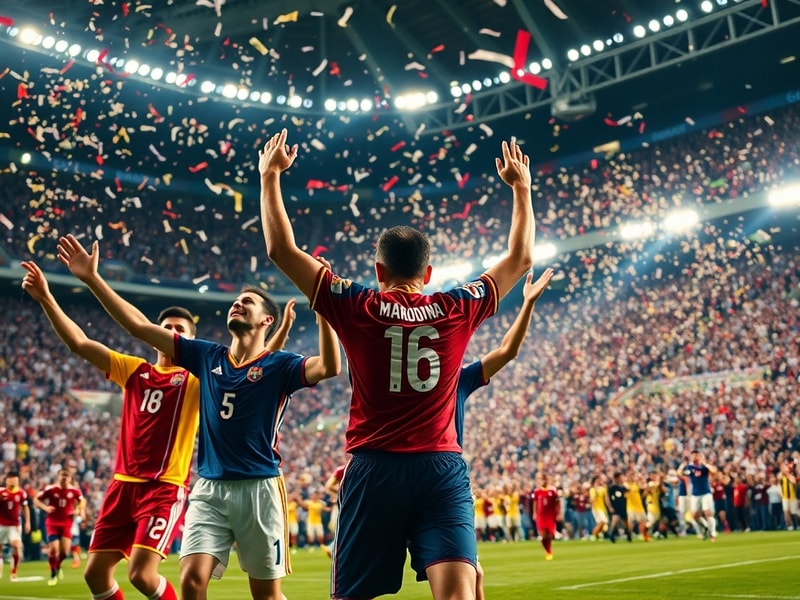
The FIFA World Cup has been the stage for some of the most electrifying moments in sports history. Among these, the players who have scored the most goals stand out not just for their tally but for their ability to deliver when it mattered most. The record for most World Cup goals is held by Miroslav Klose of Germany, who netted 16 times across four tournaments from 2002 to 2014. His consistency and longevity redefined what it means to be a World Cup striker.
Klose surpassed Ronaldo’s long-standing record of 15 goals, a milestone Ronaldo achieved across three tournaments. Ronaldo, often called “O Fenômeno,” remains one of the most iconic forwards in the tournament’s history. His goals in the 2002 World Cup, particularly in the final against Germany, cemented his legacy. Close behind them is Gerd Müller, the German striker whose 14 World Cup goals in just two tournaments (1970 and 1974) remain a testament to his lethal finishing.
These players didn’t just score goals—they defined eras. Their records are a blend of individual brilliance and the ability to rise to the occasion in high-pressure matches. For aspiring footballers, their careers serve as a blueprint for combining skill, mental fortitude, and adaptability across different tournaments.
What Sets These Scorers Apart?
Scoring in the World Cup is unlike any other competition. The pressure, the global audience, and the defensive structures of top teams make every goal a monumental achievement. The players who top the scoring charts share several key traits:
- Clinical Finishing: Each of these players possessed an uncanny ability to convert chances, often in high-stakes moments. Their composure in front of goal set them apart from even the most talented forwards.
- Longevity and Consistency: Klose played in four World Cups, scoring at least once in each. This longevity is rare and speaks to his fitness, adaptability, and enduring skill.
- Big-Game Mentality: These players thrived in knockout stages. Ronaldo’s five goals in 2002, including both in the final, highlight their ability to perform when it matters most.
- Team Contribution: While individual brilliance is evident, their goals often propelled their teams to victory. Müller, for example, was instrumental in West Germany’s triumph in 1974.
These attributes are not just statistical footnotes; they are lessons in what it takes to succeed at the highest level of international football. For coaches and players, studying their careers can provide insights into mental preparation, technical skills, and tactical awareness.
The Broader Implications of World Cup Scoring Records
The records set by these players ripple through the sport in ways that extend beyond the pitch. For instance, Klose’s record has sparked discussions about the evolution of the striker’s role in modern football. As the game becomes more tactical and defensive, the ability to score consistently in the World Cup is increasingly rare and valuable.
These records also shape how nations approach tournaments. Teams invest heavily in forwards who can deliver in big moments, often building entire strategies around their strengths. The rise of analytics in football has further emphasized the importance of these records, as data analysts study the scoring patterns of past tournaments to inform future strategies.
Moreover, these players become cultural icons in their home countries. Ronaldo, for example, transcended football in Brazil, becoming a global symbol of excellence. Similarly, Müller and Klose are revered in Germany for their contributions to the national team’s success. Their legacies extend beyond statistics, influencing how future generations view the World Cup and the role of a striker.
For fans, these records create a sense of nostalgia and reverence. They serve as benchmarks for new generations of players, inspiring them to chase greatness. The World Cup, after all, is not just a tournament—it is a stage where legends are made and records are rewritten.
Can Today’s Stars Break the Records?
The question of whether today’s top scorers can surpass Klose’s record is a topic of frequent debate. Players like Thomas Müller, Antoine Griezmann, and Kylian Mbappé have all made significant impacts in recent tournaments, but breaking the 16-goal mark remains a daunting challenge.
Several factors make this record particularly difficult to surpass:
- Increased Competition: Modern defenses are more organized and tactically disciplined. Scoring opportunities are fewer, and the margin for error is slim.
- Changing Tactical Roles: Forwards today are often expected to contribute more than just goals, such as pressing, assisting, and linking play. This versatility can dilute their goal-scoring output.
- Shorter Tournament Cycles: With more club football and international breaks, players may face fatigue or injury risks that limit their tournament appearances.
- Defensive Innovations: Goalkeepers and defenders are now better trained to anticipate and neutralize attacking threats, making it harder to score consistently.
That said, the unpredictability of football means that records are meant to be broken. Mbappé, with his explosive pace and finishing, has the potential to challenge these records if he continues his upward trajectory. However, it will require not just individual brilliance but also a team that can consistently provide him with scoring opportunities.
For now, Klose’s record stands as a testament to what is possible with dedication, skill, and a bit of luck. It remains a benchmark for the next generation of World Cup strikers.
Conclusion: The Legacy of World Cup Scorers
The most prolific goal-scorers in World Cup history are more than just numbers on a scoreboard. They are symbols of excellence, resilience, and the sheer joy of football. Their records inspire awe and admiration, serving as a reminder of what can be achieved with talent, hard work, and the ability to perform under pressure.
As the World Cup continues to evolve, new players will emerge to challenge these records. Yet, the names of Klose, Ronaldo, and Müller will always be synonymous with the tournament’s greatest moments. Their legacies remind us that while football is a team sport, it is often the individuals who leave the most indelible marks on its history.
For fans and analysts alike, these records are a lens through which we can appreciate the beauty and unpredictability of the World Cup. They are a celebration of the game’s ability to produce heroes, villains, and unforgettable stories—all in the span of a few weeks every four years.
In the end, the most World Cup goals are not just about statistics. They are about the moments that make the tournament the most-watched sporting event in the world. They are about the players who rise to the occasion when it matters most. And they are about the legacy that will inspire generations to come.
Explore more about World Cup legends and their impact on the game by visiting our Sports and Analysis categories.