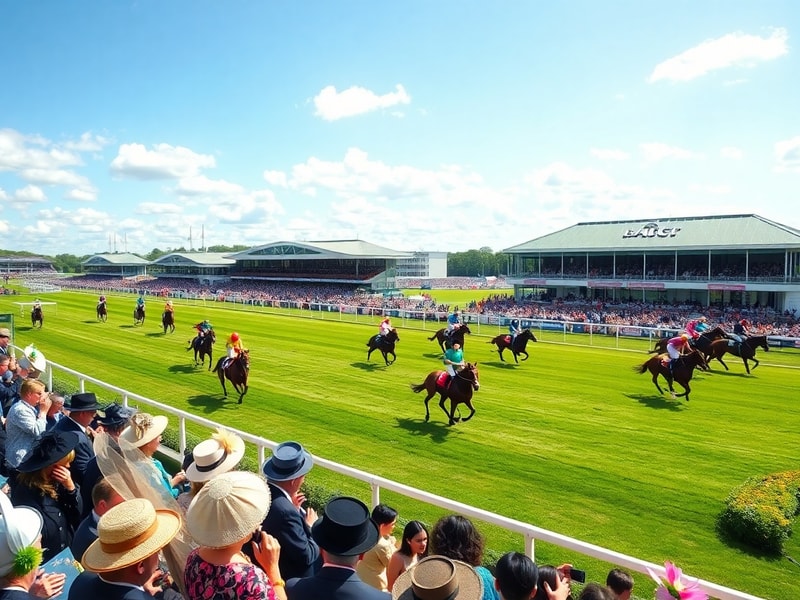
The Ascot Racecourse stands as one of the most iconic venues in British sporting history, a place where the pulse of tradition beats in rhythm with the thunder of hooves. Today, Ascot remains a cornerstone of the racing calendar, blending centuries-old customs with contemporary flair. The Royal Ascot meeting alone draws over 300,000 attendees annually, making it one of the most attended sporting events in the United Kingdom.
While the pageantry often steals the spotlight, the races themselves remain the beating heart of the event. From the prestigious Gold Cup to the high-octane Diamond Jubilee Stakes, each race carries its own legacy and draws competitors from across the globe. The track’s undulating contours and testing distances favor different types of horses, ensuring a dynamic and unpredictable spectacle.
The Evolution of Ascot as a Sporting Venue
Founded in 1711 by Queen Anne, Ascot Racecourse has evolved from a private royal sporting ground into a world-class public venue. The track originally hosted just four days of racing per year; today, the calendar spans over 30 days, including major fixtures like Royal Ascot, the King George VI and Queen Elizabeth Stakes, and the Ascot Gold Cup.
The course itself underwent significant modernization in the early 21st century. A £270 million redevelopment completed in 2006 transformed the racecourse into a multi-purpose venue with enhanced spectator facilities, improved track drainage, and a new grandstand designed to elevate the viewing experience. These upgrades have helped Ascot maintain its status as a premier destination for both racing enthusiasts and casual visitors.
The introduction of the QIPCO British Champions Series in 2011 further cemented Ascot’s role in the modern racing calendar. This series groups top races across the UK, with Ascot hosting several key events. The series has increased prize money and visibility, attracting elite trainers, jockeys, and horses from Europe and beyond.
Key Races That Define the Modern Ascot Calendar
Several races at Ascot have become synonymous with prestige and performance. These events not only showcase equine excellence but also serve as cultural touchstones within the racing community.
- Gold Cup: Held on the third day of Royal Ascot, this historic race over two and a half miles tests stamina and class. Recent winners like Stradivarius (2019–2021) have reinforced the race’s reputation as the ultimate test for stayers.
- Diamond Jubilee Stakes: A six-furlong sprint on the final day of Royal Ascot, this race attracts the fastest sprinters in the world. Recent winners include Starman (2021) and the legendary Black Caviar (2012), who retired undefeated.
- King George VI and Queen Elizabeth Stakes: Often called the “middle-distance championship of Europe,” this race over one and a half miles has been won by champions like Enable (2019) and Frankel (2012).
- Royal Hunt Cup: A one-mile handicap race on the opening day of Royal Ascot, known for its competitive field and tactical racing. Recent winners have included outsiders like Dark Vision (2022), who defied strong favorites.
Style and Spectacle: The Cultural Heart of Ascot
Ascot is as much about fashion as it is about racing. The event has long been a showcase for British style, where the dress code is as strictly observed as the racing form. The Royal Enclosure, in particular, maintains a code that emphasizes elegance and appropriateness: women are expected to wear formal day dresses with hats, while men must wear morning dress with top hats.
This tradition has made Ascot a focal point for milliners, tailors, and accessory designers. Brands like Lock & Co. Hatters and Gieves & Hawkes report significant sales spikes during the event. Social media has amplified the fashion aspect, with attendees sharing their sartorial choices under hashtags like #RoyalAscot and #AscotStyle, turning the event into a global fashion moment.
Yet, the style at Ascot is not confined to the elite. The Silver Ring and Grandstand areas offer more relaxed dress codes, allowing families and younger attendees to participate in the glamour without the formality. This inclusivity has helped Ascot maintain its relevance across generations.
The Role of Technology in Enhancing the Ascot Experience
Modern technology has reshaped the way spectators engage with Ascot. The racecourse’s official app provides real-time race updates, betting odds, and exclusive video content. This digital integration has made the event more accessible to younger audiences and those unable to attend in person.
Broadcasting has also evolved. While Ascot remains a broadcast staple on terrestrial TV through channels like ITV, streaming services and online platforms have expanded its reach. The introduction of multi-angle replays and augmented reality graphics has enhanced the viewing experience for armchair fans.
Behind the scenes, technology plays a crucial role in horse welfare and race integrity. Systems like StrideSafe, a wearable sensor for racehorses, monitor gait and detect potential injuries, ensuring that the sport remains as safe as possible for competitors. The use of GPS tracking during races helps stewards make more informed decisions in real time.
Ascot’s Place in the Global Racing Landscape
Ascot’s influence extends far beyond the UK. The racecourse regularly hosts international competitors, and its races are broadcast to over 70 countries. The Dubai Duty Free Shergar Cup, an international jockeys’ challenge held at Ascot, has become a highlight of the summer calendar, pitting teams from Europe, the UK, and the rest of the world against each other.
The racecourse also serves as a training ground for future champions. Many horses that go on to win major races elsewhere in the world, such as the Prix de l’Arc de Triomphe or the Breeders’ Cup, have competed at Ascot earlier in their careers. This pipeline of talent keeps the venue at the forefront of global racing.
Ascot’s commitment to sustainability has also set a benchmark for the sport. The racecourse has implemented measures to reduce its carbon footprint, including rainwater harvesting, LED lighting, and a ban on single-use plastics. These efforts reflect a broader trend within the racing industry to balance tradition with environmental responsibility.
What the Future Holds for Ascot
The next decade promises further innovation for Ascot. Plans for expanded digital engagement, including virtual reality experiences and interactive betting terminals, are already underway. The racecourse is also exploring partnerships with equestrian organizations to promote youth participation in racing and breeding programs.
Yet, despite these advancements, Ascot remains rooted in its heritage. The annual parade of the Royal Procession, where the monarch and members of the royal family arrive in horse-drawn carriages, is a reminder of the event’s enduring connection to tradition. This blend of old and new is what makes Ascot unique—a place where history and progress coexist.
As the 2024 racing season approaches, anticipation builds. Whether you’re drawn by the thrill of the races, the allure of high fashion, or the chance to witness living history, Ascot offers an experience unlike any other. It’s a celebration of what sport can be: a fusion of competition, culture, and community.
For those looking to dive deeper into the world of horse racing, visit our Sports and Entertainment sections, where we cover the latest trends and stories from the track.