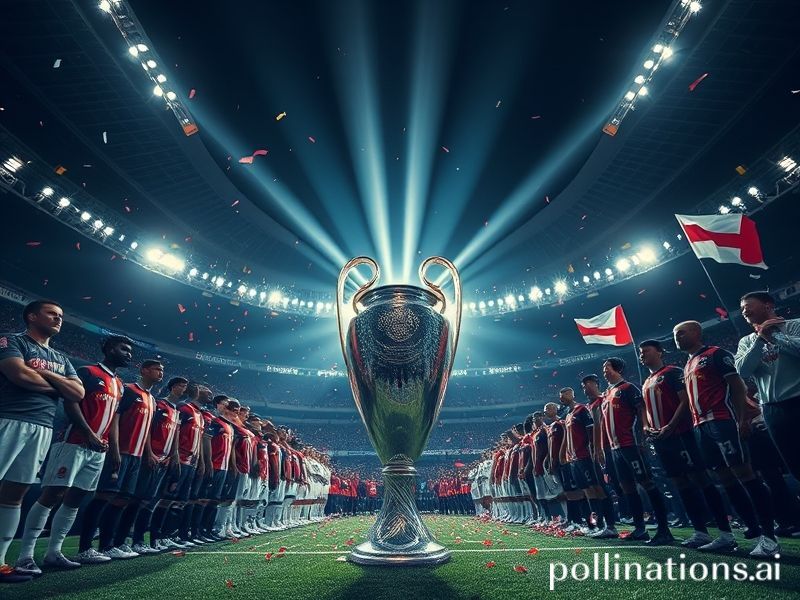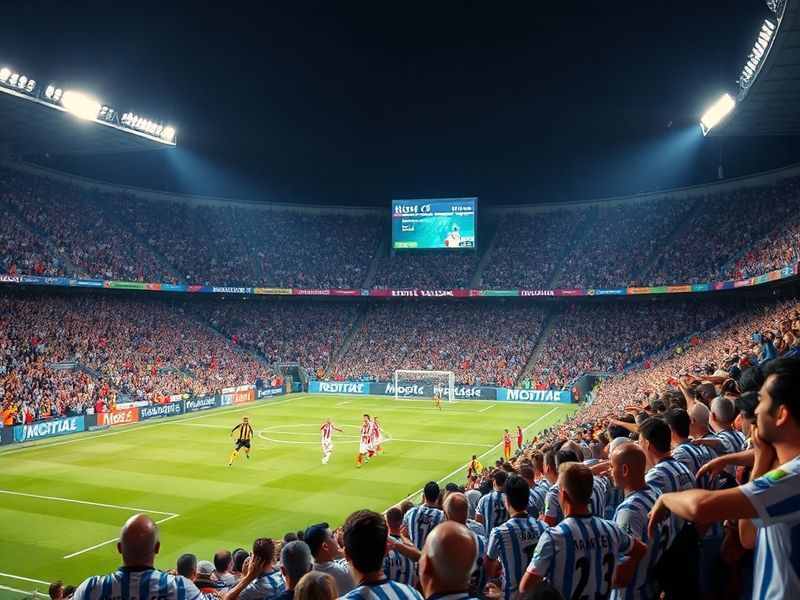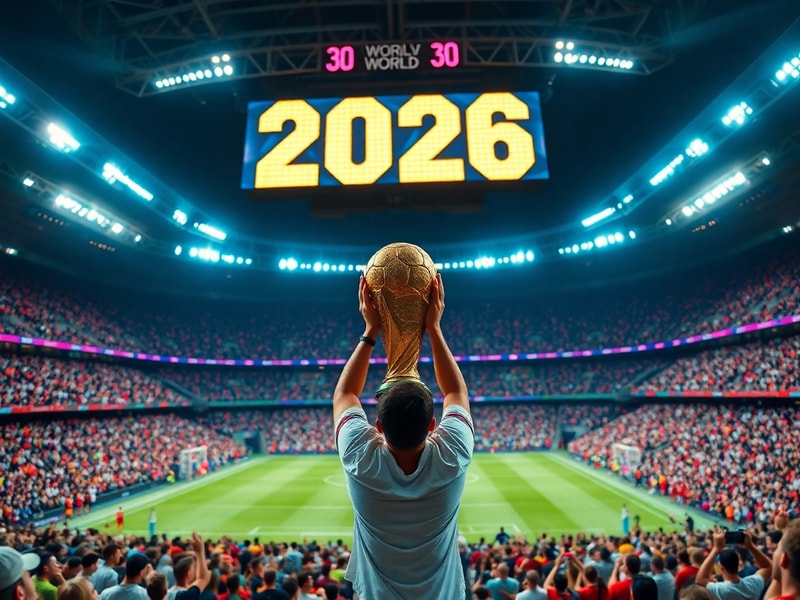
The FIFA World Cup 2026™ is not merely a sporting event; it is a unifying force that transcends borders, cultures, and languages. Scheduled to be hosted by three nations—Canada, Mexico, and the United States—the tournament promises to be the largest in FIFA history, with 48 teams competing across 16 cities. This expansion reflects football’s growing global appeal and the sport’s evolving infrastructure.
The decision to increase the number of participating teams from 32 to 48 was announced in 2017, marking a significant shift in FIFA’s approach to inclusivity. For smaller footballing nations, this change represents an unprecedented opportunity to showcase their talent on the world stage. It also underscores the tournament’s ambition to embed football deeper into new markets, particularly in North America, where the sport has historically lagged behind other major codes like American football, basketball, and baseball.
The Host Nations: A Tripartite Vision for Growth
The collaboration between Canada, Mexico, and the United States is a strategic move to consolidate football’s presence in a region where it has struggled to capture the same level of passion seen in Europe, South America, or Africa. Each host nation brings a unique cultural perspective to the tournament, enriching the experience for players and fans alike.
Mexico, with its deep footballing roots and passionate fanbase, will serve as the cultural heartbeat of the tournament. The country’s stadiums, including the iconic Estadio Azteca in Mexico City, have witnessed some of the World Cup’s most memorable moments. Meanwhile, the United States offers state-of-the-art infrastructure, with cities like Los Angeles, New York, and Atlanta boasting world-class venues and transportation networks. Canada, though newer to the global football stage, brings a fresh perspective with its multicultural cities and growing investment in the sport.
This tri-national approach also reflects FIFA’s broader strategy to globalize football. By spreading the tournament across three countries, FIFA aims to foster long-term engagement in regions where football is still developing. The economic and social benefits for these nations are expected to be substantial, with tourism, infrastructure development, and job creation all set to receive a significant boost.
The Tournament Format: Expansion and Innovation
The expansion to 48 teams introduces a new group stage format. Instead of the traditional eight groups of four teams, the 2026™ World Cup will feature 12 groups of four teams each. The top two teams from each group will advance to a 32-team knockout stage, followed by the Round of 16. This format ensures that more teams have a realistic chance of progressing while maintaining the tournament’s competitive intensity.
One of the most intriguing aspects of the 2026™ World Cup is the introduction of a new scheduling model. To accommodate the increased number of matches, the tournament will span 39 days, with the final scheduled for July 19, 2026. This extended timeline allows for a more leisurely pace, giving fans ample time to travel between matches and explore host cities. It also provides broadcasters with more content, which could translate to increased global viewership.
The expansion also raises questions about the quality of play and the potential for upsets. While smaller nations will have a greater opportunity to compete, the tournament’s depth of talent remains a critical factor. Traditional powerhouses like Brazil, Germany, and Argentina will still be favorites, but the increased competition could lead to surprising results and new stars emerging from unexpected places.
Cultural Impact: Football as a Global Language
The World Cup has always been more than just a tournament; it is a celebration of diversity and a platform for cultural exchange. The 2026™ edition is poised to amplify this aspect, with host cities representing a melting pot of cultures, languages, and traditions. For many fans, the World Cup is an opportunity to connect with their heritage or discover new ones.
In North America, the tournament has the potential to redefine football’s identity. The sport is often overshadowed by other major leagues like the NFL, NBA, and MLB, but the World Cup could shift perceptions by showcasing the speed, skill, and passion of the world’s best players. The tournament’s timing—during the summer months—also aligns with the peak of the North American sports calendar, providing a unique opportunity to captivate audiences who might not typically follow football.
For fans in Latin America and Europe, the tournament offers a chance to reconnect with the sport’s global community. The World Cup has a way of bringing people together, whether in stadiums, fan zones, or living rooms. The 2026™ edition is expected to draw millions of fans to the host cities, creating an electric atmosphere that transcends the pitch.
Fan Engagement and Technology
Technology will play a pivotal role in enhancing the fan experience for the 2026™ World Cup. FIFA has already announced plans to integrate advanced broadcasting technologies, including 8K resolution and immersive virtual reality (VR) experiences. These innovations aim to bring fans closer to the action, whether they are watching from a stadium or their living room.
Social media will also be a driving force in fan engagement. Platforms like Instagram, TikTok, and Twitter will provide real-time updates, behind-the-scenes content, and interactive features that allow fans to engage with the tournament like never before. The World Cup’s official hashtag, #WorldCup2026, is expected to trend globally, creating a digital community that spans continents.
Challenges and Controversies
Despite the excitement surrounding the 2026™ World Cup, the tournament is not without its challenges. Critics have raised concerns about the environmental impact of hosting such a massive event across three countries. FIFA and the host nations have pledged to implement sustainable practices, including carbon offset programs and eco-friendly stadium designs, but the scale of the tournament makes these efforts difficult to execute flawlessly.
Another area of contention is the allocation of spots for different confederations. While the expansion to 48 teams increases opportunities for smaller nations, some argue that the distribution of spots does not adequately reflect the growth of football in certain regions. For example, Africa and Asia have seen significant improvements in their footballing standards, but the new format may not fully accommodate their rising prominence.
Additionally, the scheduling of matches has sparked debates among players and coaches. With the tournament spanning nearly six weeks, concerns have been raised about player fatigue and the potential for injuries. The grueling schedule, combined with the heat and humidity in many host cities, could pose significant challenges for teams, particularly those from colder climates.
The Road to 2026™: Qualifying and Expectations
The road to the 2026™ World Cup is already underway, with qualifying tournaments set to begin in 2023. The expanded format means that nearly every footballing nation now has a realistic chance of securing a spot, adding an extra layer of unpredictability to the qualification process. For fans, this means more matches to look forward to and a greater sense of anticipation leading up to the tournament.
As the 2026™ World Cup approaches, the excitement is palpable. The tournament represents a new chapter for football, one that embraces inclusivity, innovation, and global unity. Whether you are a die-hard fan or a casual observer, the World Cup offers something for everyone—a chance to witness history, celebrate diversity, and experience the magic of football on the grandest stage.
For those looking to stay updated on the latest news and analysis surrounding the 2026™ World Cup, Dave’s Locker Sports provides comprehensive coverage, including player profiles, match previews, and expert insights. As the tournament draws nearer, the anticipation will only grow, and football fans around the world will come together to celebrate the beautiful game.
© 2023 Dave’s Locker. All rights reserved.