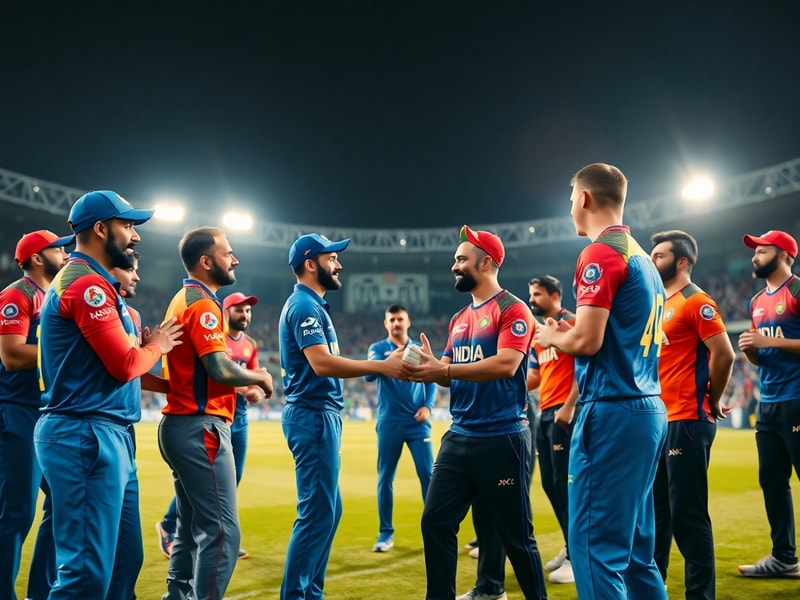
The matchup between India and the Netherlands transcends the boundaries of sport, offering a fascinating glimpse into contrasting philosophies of play, cultural values, and the evolving dynamics of international competition. While the Netherlands has long been celebrated for its structured, tactical approach to sports—rooted in a tradition of discipline and innovation—India brings a distinct flair characterized by resilience, adaptability, and an almost improvisational style that reflects the nation’s diverse and unpredictable social fabric.
This contrast is not merely about sports; it’s about how two nations, separated by geography and history, interpret excellence in their own ways. The India vs Netherlands narrative unfolds across multiple domains—sports, diplomacy, and cultural exchange—each chapter offering lessons in adaptation, strategy, and the power of identity.
The Evolution of India’s Competitive Spirit
India’s rise on the global stage has been marked by a gradual shift from raw talent to a more structured, performance-driven approach. In sports like cricket, hockey, and even badminton, Indian athletes have transitioned from being underdogs to formidable contenders. This transformation is rooted in the country’s long-standing emphasis on meritocracy and the belief that individual brilliance can overcome systemic challenges.
Historically, India’s sporting culture has been shaped by colonial influences, local traditions, and the sheer scale of its population. Cricket, in particular, has become a unifying force, transcending regional, linguistic, and class divides. The Indian Premier League (IPL), for instance, has not only revolutionized the sport financially but has also created a global platform where Indian talent rubs shoulders with international stars, fostering a cross-pollination of styles and techniques.
- Cultural Resilience: Indian athletes often embody a spirit of perseverance, drawing from a societal narrative that celebrates overcoming adversity.
- Innovation in Play: The unpredictability of Indian sports culture—whether in the improvisational genius of a Virat Kohli or the agility of a PV Sindhu—reflects a broader cultural tendency to adapt and improvise.
- Global Integration: Through leagues like the IPL and partnerships with international federations, Indian athletes have gained exposure to global standards, allowing them to refine their skills while retaining their unique flair.
This evolution is not without its challenges. Infrastructure gaps, bureaucratic hurdles, and the pressure to perform in a highly competitive environment continue to test India’s sporting ambitions. Yet, the country’s ability to produce world-class athletes in diverse disciplines underscores its growing influence in the global sports ecosystem.
The Dutch Model: Precision, Structure, and Innovation
The Netherlands, a small nation with a population of just 17 million, has consistently punched above its weight in international sports. Its success is often attributed to a philosophy that prioritizes structure, innovation, and a relentless pursuit of excellence. Dutch sports culture is deeply intertwined with the nation’s broader values of pragmatism, efficiency, and social cohesion.
Take football, for instance. The Dutch football philosophy, often referred to as “Total Football,” revolutionized the game in the 1970s by emphasizing fluidity, adaptability, and collective responsibility. This approach, pioneered by legends like Johan Cruyff, has left an indelible mark on the sport, influencing teams and coaches worldwide. Similarly, in sports like speed skating, cycling, and field hockey, the Netherlands has established itself as a powerhouse by leveraging cutting-edge technology, data analytics, and a culture of continuous improvement.
- Systemic Support: The Dutch government and private sector invest heavily in sports infrastructure, ensuring that athletes have access to world-class facilities from a young age.
- Data-Driven Training: The use of technology and analytics in training regimens allows Dutch athletes to optimize performance with surgical precision.
- Cultural Emphasis on Excellence: Sports are deeply ingrained in Dutch society, with a strong emphasis on fair play, teamwork, and personal accountability.
The Dutch approach is not just about winning; it’s about doing so with a sense of purpose and integrity. This philosophy has earned the Netherlands respect on the global stage, particularly in sports where marginal gains can make the difference between victory and defeat.
Cultural Exchange and the Broader Implications
The India vs Netherlands dynamic extends beyond the field of play. It offers a microcosm of how two distinct cultures approach competition, collaboration, and innovation. For India, engaging with the Netherlands presents an opportunity to learn from a nation that has mastered the art of turning limitations into strengths. For the Netherlands, collaborating with India offers access to a market brimming with untapped potential and a culture that thrives on creativity and adaptability.
In the realm of sports diplomacy, encounters between Indian and Dutch athletes serve as a bridge between two worlds. Whether it’s through joint training programs, cultural exchanges, or collaborative tournaments, these interactions foster mutual understanding and respect. For instance, the Netherlands has been a key partner in India’s efforts to develop its field hockey program, sharing expertise in coaching, infrastructure, and sports science.
Beyond sports, the cultural exchange between the two nations is evident in areas like art, cuisine, and academia. Indian classical music and Dutch electronic beats have found common ground in festivals that celebrate fusion. Indian cuisine, with its bold flavors and diverse regional dishes, has found a receptive audience in the Netherlands, where vegetarianism and plant-based diets are increasingly popular. Meanwhile, academic collaborations between Indian and Dutch universities are fostering research in fields ranging from sustainable energy to artificial intelligence.
The Future of India-Netherlands Relations in a Globalized World
As the world becomes increasingly interconnected, the relationship between India and the Netherlands is poised to evolve in new and exciting ways. For India, the Netherlands represents a gateway to Europe—a strategic partner in trade, technology, and diplomacy. The two nations have already laid a strong foundation through agreements in areas like water management, agriculture, and renewable energy. Collaborations in sports science and athlete development could further strengthen these ties.
For the Netherlands, India offers a vast market and a source of innovation. The Dutch expertise in water management, for example, could be instrumental in addressing India’s pressing challenges in agriculture and urban planning. Similarly, India’s thriving tech and startup ecosystem presents opportunities for Dutch companies to expand their footprint in Asia.
In the realm of sports, the future holds promise for even greater collaboration. Joint tournaments, exchange programs, and co-hosted events could become more common, allowing athletes from both nations to learn from each other’s strengths. The Indian Premier League, for instance, has already attracted Dutch players in the past, and there’s potential for more such cross-cultural experiences in the future.
The India vs Netherlands narrative is a testament to the power of cultural exchange and the shared pursuit of excellence. While the two nations may approach competition differently, their ability to learn from each other’s strengths could serve as a model for how diverse cultures can coexist and thrive in a globalized world.
As we look ahead, the lessons from this dynamic relationship extend far beyond the field of play. They remind us that in a world often divided by borders and ideologies, collaboration and mutual respect can pave the way for a brighter, more connected future.