Isabel Haugseng Johansen: A Rising Star Bridging Cultures Through Sport
In the quiet but rapidly growing town of Hønefoss, Norway, a young athlete has begun to turn heads—not just for her raw talent, but for the way she carries herself on and off the field. Isabel Haugseng Johansen, a 22-year-old midfielder for Vålerenga Fotball in the Norwegian Toppserien, represents more than just athletic potential. She embodies a new wave of Scandinavian footballers who are redefining what it means to be a role model in women’s sports across Europe and beyond.
Her journey from local pitches in Ringerike to playing in front of thousands at Intility Arena is a story of perseverance, cultural adaptability, and quiet leadership. While Norwegian football has long been a powerhouse in women’s soccer, players like Johansen are helping to push the sport into new cultural conversations—both on the continent and in international competitions.
The Making of a Modern Footballer: Early Life and Influences
Born on March 12, 2002, in Hønefoss—a small town northwest of Oslo—Isabel grew up in a family deeply connected to sports. Her father, a former amateur footballer, introduced her to the game at age five. By seven, she was playing in organized youth leagues, where her technical skill and vision on the pitch quickly set her apart.
Unlike many young athletes who specialize early, Johansen balanced football with other interests. She played handball in her teens and studied music, learning to play the piano. These diverse experiences shaped her disciplined yet creative approach to football. Her ability to read the game, combined with her calm demeanor, earned her the nickname “The Maestro” among her teammates—a nod to both her musical background and her orchestration of play.
Johansen’s multicultural awareness also runs deep. With a Norwegian mother and a father of partial Ghanaian descent, she grew up navigating multiple cultural identities. This perspective has given her a unique voice in discussions about representation in European football, where diversity is increasingly becoming a focal point.
Climbing the Ranks: Club Career and Style of Play
Johansen’s professional career began at Røa IL, one of Norway’s most historic women’s clubs. At 16, she made her debut in the Toppserien, becoming one of the youngest players in league history. Her technical ability, precise passing, and tactical intelligence caught the attention of scouts across Scandinavia.
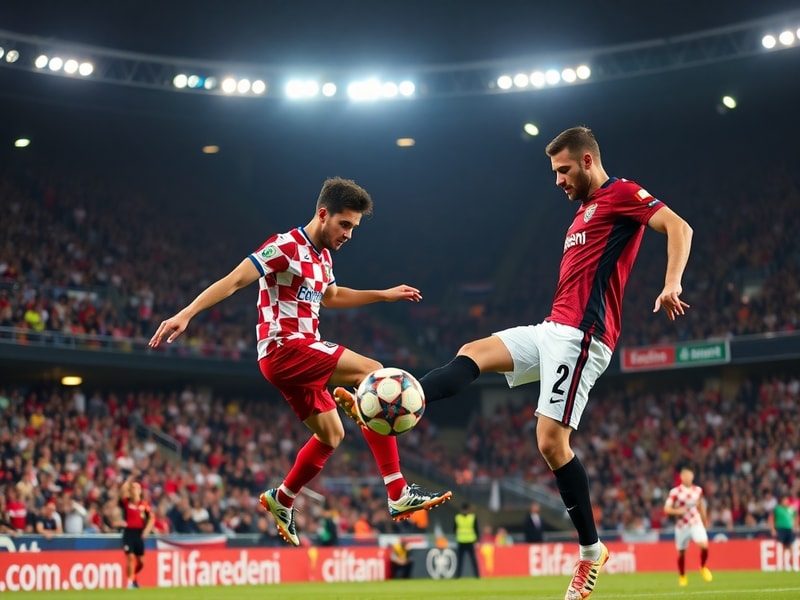
In 2021, she made a pivotal move to Vålerenga, a club that has risen rapidly under progressive leadership. Under coach Ole Johan Aas, Vålerenga plays a possession-based, attacking style—ideal for Johansen’s strengths. She thrives as a deep-lying playmaker, orchestrating attacks with a metronomic tempo and delivering defense-splitting through balls.
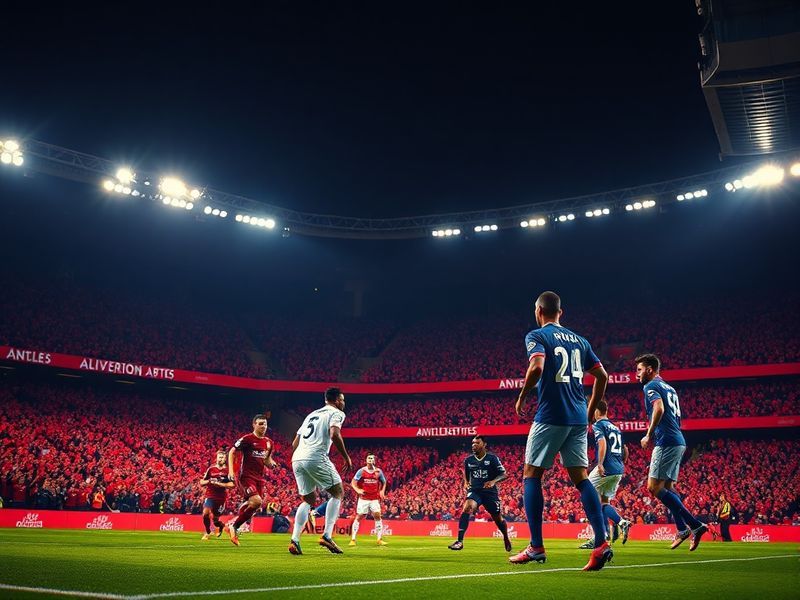
Her contributions were instrumental in Vålerenga’s 2023 Toppserien title and their run to the quarterfinals of the UEFA Women’s Champions League. Johansen was named Player of the Month in May 2023 and has since become a regular in Norway’s youth and senior national team setups.
Her playing style reflects the modern Scandinavian footballer: intelligent, composed, and adaptable. She’s not the fastest or most physical player, but her spatial awareness and decision-making under pressure make her a coach’s dream.
Cultural Impact: Representation and Identity in European Football
Johansen’s background places her at the intersection of two important conversations in modern football: gender equity and racial representation. While Norway has one of the most gender-balanced football systems in the world, women’s leagues still face challenges in visibility and funding compared to men’s competitions.
At the same time, Johansen is part of a small but growing cohort of Black Norwegian footballers making an impact in top-tier European clubs. Her presence on the pitch, combined with her thoughtful public statements about identity and opportunity, has made her a figure of interest beyond just sports media.
In interviews, she has spoken about the importance of representation—both for young girls who look like her and for children from multicultural backgrounds who dream of playing professionally. She avoids grand declarations, preferring to lead by example, but her influence is palpable in how she carries herself in interviews and social media.
Johansen has also used her platform to advocate for better youth development programs in rural Norway, where access to high-level coaching can be limited. This focus on grassroots growth aligns with Norway’s long-standing emphasis on inclusive sports culture—a value deeply embedded in the country’s social fabric.
Looking Ahead: International Ambitions and Legacy
With Norway’s national team in transition following the retirements of legends like Ada Hegerberg and Caroline Graham Hansen, Johansen represents the next generation poised to take the reins. She made her senior debut in a friendly against Brazil in 2023 and has since featured in UEFA Women’s Euro 2025 qualifiers.
The team’s style—balanced, technical, and team-oriented—suits Johansen perfectly. As Norway aims to reclaim its status as a European contender, players like her will be central to that vision.
Off the field, Johansen is pursuing a degree in sports science, blending her academic curiosity with her athletic career. She’s also involved in community projects, including football clinics for girls in underserved areas of Oslo.
Her long-term ambition isn’t just to win trophies, but to help redefine what success looks like for the next generation of Norwegian footballers—especially those from diverse backgrounds.
A Quiet Revolution on the Pitch
Isabel Haugseng Johansen may not be the loudest voice in women’s football today, but her influence is growing steadily. She represents a shift toward a more inclusive, thoughtful, and sustainable model of athlete development—one where skill, intelligence, and character matter as much as trophies.
As European football continues to globalize, players like Johansen are not just athletes; they are cultural bridges. They challenge old narratives, inspire new generations, and quietly reshape the identity of the sport.
In a landscape often dominated by speed and spectacle, Johansen’s elegance and poise offer a refreshing counterpoint. She may not be the flashiest player on the pitch, but her impact is becoming impossible to ignore.
And with every assist, every composed performance, and every thoughtful interview, she’s helping write a new chapter—one where football is as much about culture as it is about competition.