Reno’s Power Outage Exposes Vulnerabilities in Urban Infrastructure
The recent power outage in Reno, Nevada, lasted nearly 12 hours and affected more than 30,000 residents. While such disruptions are not uncommon in cities worldwide, Reno’s situation highlights broader issues in urban energy resilience. Similar incidents have occurred in major metropolitan areas from Tokyo to Toronto, underscoring a global challenge in maintaining reliable electricity infrastructure.
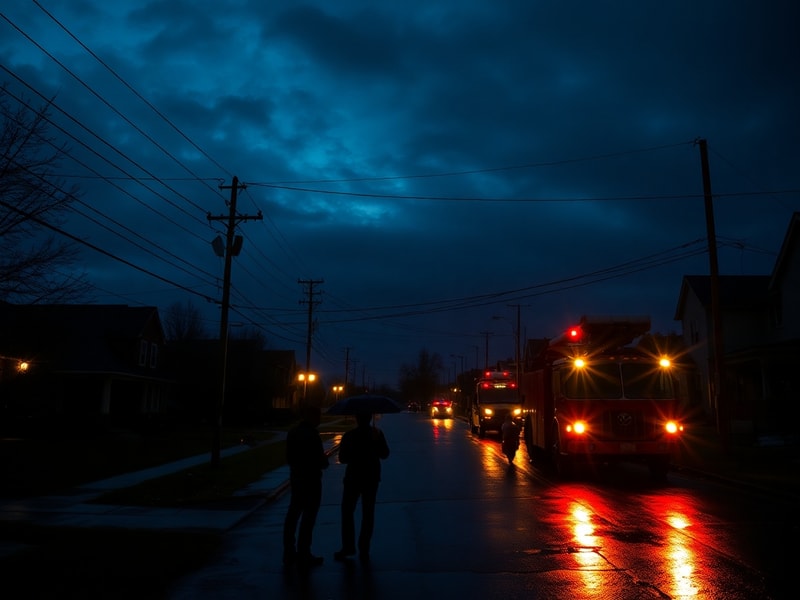
Local officials attributed the outage to a combination of equipment failure and extreme weather conditions. High winds and heavy rain led to downed power lines, while aging transformers struggled to handle the sudden surge in demand. This combination of factors is becoming increasingly familiar in regions experiencing shifting climate patterns.
The Role of Climate Change in Power Disruptions
Reno’s power outage is part of a larger trend affecting cities across the globe. In 2021, a severe storm in Texas left millions without power for days, while European cities like Berlin faced similar challenges during last summer’s heatwaves. These events reveal how climate change is intensifying the strain on aging electrical grids.
Urban planners and energy experts warn that without significant investment in modern infrastructure, cities will continue to face these disruptions. Upgrading power lines, substations, and backup systems has become a priority for municipalities worldwide. Reno’s experience serves as a case study for other regions grappling with similar issues.
Community Response and Local Resilience
Despite the disruption, Reno’s residents demonstrated remarkable adaptability. Local businesses provided charging stations, while community centers opened as emergency shelters. Social media platforms buzzed with real-time updates, showcasing how digital networks can fill gaps when traditional systems fail.
Volunteers coordinated efforts to distribute food and water to affected neighborhoods. This grassroots response reflects a growing trend where communities take matters into their own hands when official systems lag. Similar patterns emerged during the 2019 blackouts in Argentina and the 2020 California wildfires, where neighbors and local organizations played crucial roles in recovery.
Lessons for Energy Policy and Urban Planning
The Reno outage has prompted discussions among policymakers about long-term solutions. Some advocate for decentralized energy sources, such as solar microgrids, which can operate independently during grid failures. Others emphasize the need for stricter maintenance schedules and emergency response protocols.
Internationally, cities like Copenhagen and Singapore have implemented innovative strategies to mitigate power disruptions. Copenhagen’s district heating systems provide backup power during outages, while Singapore’s smart grid technology allows for rapid rerouting of electricity. Reno’s situation presents an opportunity to adopt similar forward-thinking approaches.
Looking Ahead: A Global Challenge
Reno’s power outage is more than a local inconvenience—it is a symptom of a global challenge. As cities expand and climate conditions shift, the reliability of urban infrastructure will be tested repeatedly. The solutions require not only technical upgrades but also a shift in how societies view energy resilience.
For Reno, the immediate priority is restoring full power and assessing the damage. Yet the broader conversation about energy security and climate adaptation has only just begun. Cities worldwide will be watching closely as Reno navigates its recovery, hoping to learn from both its struggles and its successes.
How to Prepare for Future Outages
While large-scale power disruptions are unpredictable, individuals can take steps to prepare. Emergency kits with flashlights, batteries, and non-perishable food are essential. Backup power solutions, such as portable generators or solar chargers, can also provide peace of mind. Local governments often share preparedness guides on their websites, offering tailored advice for regional risks.
Reno’s Outage in a Broader Context
Reno is not alone in facing these challenges. Cities like New Orleans and Denver have also dealt with prolonged outages due to extreme weather. These incidents serve as reminders that energy resilience is a shared responsibility—one that requires cooperation between governments, businesses, and communities.
As Reno rebuilds, the lessons learned here could shape policies and practices far beyond Nevada’s borders. The goal is not just to restore power but to create a system that can withstand future shocks.
For more insights on urban resilience and infrastructure challenges, explore our News and Technology sections.