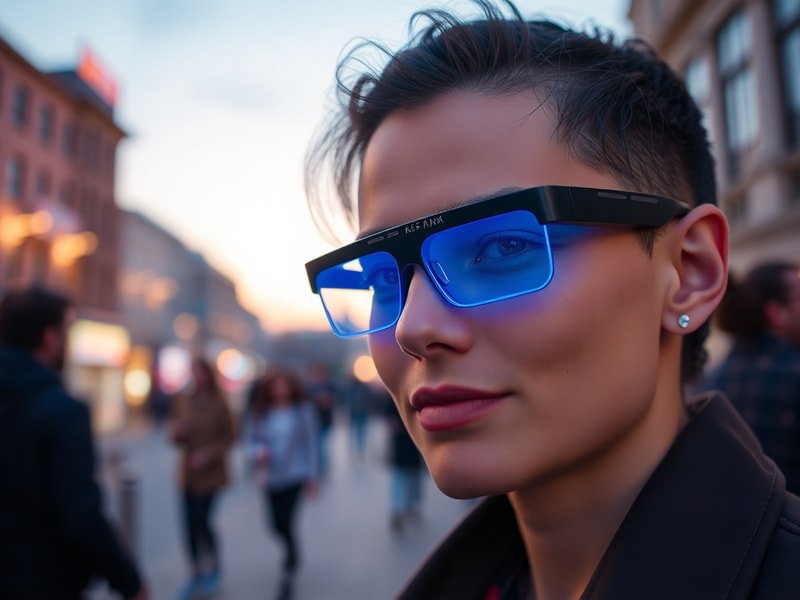
Wearable technology continues to evolve, and Snap Inc. has taken a significant step forward with its augmented reality (AR) glasses. These glasses, designed to overlay digital information onto the real world, represent more than just another gadget—they signal a shift in how we interact with our surroundings. Unlike virtual reality headsets that immerse users in a fully digital environment, Snap’s AR glasses blend the physical and virtual worlds seamlessly.
The latest iteration, known as the Spectacles line, builds on years of experimentation with camera-equipped eyewear. With improved processing power, a more refined design, and enhanced AR capabilities, these glasses aim to make digital augmentation accessible to everyday users. But do they deliver on that promise?
What Sets Snap AR Glasses Apart
Snap’s AR glasses stand out for several reasons. First, they prioritize social integration. Unlike some AR devices that focus solely on gaming or productivity, Snap’s approach emphasizes sharing experiences. Users can record short videos with AR effects and instantly post them to Snapchat, creating a bridge between real-world interactions and digital storytelling.
Another key feature is their lightweight, stylish design. Previous versions of Spectacles were criticized for being bulky or impractical for daily wear. The newest models address these concerns with a sleeker profile, more comfortable fit, and a range of color options. Snap has also improved the battery life, ensuring that users can enjoy extended sessions without frequent recharging.
The glasses incorporate depth-sensing cameras and motion tracking, allowing for more precise AR overlays. Whether it’s translating text in real-time, displaying navigation cues, or playing interactive games, the technology is designed to feel intuitive rather than intrusive. This balance between functionality and usability is crucial for mainstream adoption.
Key Features of Snap AR Glasses
- AR Overlays: Real-time digital enhancements for navigation, translation, and gaming.
- Social Integration: Seamless sharing of AR-enhanced content on Snapchat.
- Lightweight Design: Improved comfort for extended wear.
- Depth Sensors: Enhanced precision for interactive experiences.
- Battery Life: Extended usage time compared to earlier models.
Real-World Applications and Limitations
While the potential of Snap AR glasses is exciting, their practical applications are still emerging. One promising area is navigation. Users can receive turn-by-turn directions projected onto their field of vision, eliminating the need to constantly check a phone. This could be particularly useful for cyclists, runners, or anyone navigating unfamiliar areas.
Another application is gaming. Snap has partnered with developers to create AR games that blend the physical and digital worlds. For example, users might see virtual objects appear in their environment, which they can interact with using hand gestures or voice commands. These experiences are still in their infancy but hint at a future where gaming is more immersive and location-based.
However, limitations remain. The field of view for AR overlays is still relatively narrow, which can break immersion. Battery life, while improved, may not suffice for all-day use. Additionally, privacy concerns arise with always-on cameras and sensors. Snap has addressed some of these issues by including a physical shutter to disable the cameras, but skepticism persists.
Despite these challenges, Snap AR glasses represent a bold step toward making AR a part of daily life. Their focus on social sharing and real-world utility sets them apart from competitors like Microsoft’s HoloLens or Magic Leap, which target enterprise or niche markets.
The Competitive Landscape
Snap is not alone in the AR glasses market. Tech giants like Apple, Meta, and Google are also investing heavily in wearable AR. Apple’s Vision Pro, for instance, offers a more immersive VR/AR hybrid experience but comes with a hefty price tag. Meta’s Ray-Ban Stories focus on social sharing but lack advanced AR features. Google’s Glass Enterprise Edition targets professionals but has struggled to gain consumer traction.
Snap’s advantage lies in its ecosystem. By integrating AR glasses with Snapchat, the company leverages its existing user base of over 750 million monthly active users. This synergy could accelerate adoption, as users are already accustomed to sharing augmented content. However, Snap must continue innovating to keep pace with larger competitors.
Another differentiator is Snap’s emphasis on affordability. While devices like the Vision Pro cost thousands of dollars, Snap’s AR glasses are priced more competitively, making them accessible to a broader audience. This strategy aligns with Snap’s mission to democratize AR technology.
How Snap AR Glasses Compare to Competitors
- Snap AR Glasses: Affordable, social-focused, lightweight, and integrated with Snapchat.
- Apple Vision Pro: High-end, immersive VR/AR, expensive, and aimed at developers and professionals.
- Meta Ray-Ban Stories: Social sharing focus but lacks advanced AR capabilities.
- Google Glass Enterprise: Professional-grade but limited consumer appeal.
What’s Next for Snap AR Glasses?
The future of Snap AR glasses hinges on software and developer support. Snap has already released an AR Developer Kit, encouraging creators to build new experiences for the platform. This ecosystem growth is critical for expanding the glasses’ capabilities and attracting users.
Long-term potential includes applications in education, healthcare, and retail. Imagine students using AR glasses to visualize complex concepts in 3D or surgeons accessing real-time patient data during procedures. Retailers could offer virtual try-ons for clothing or furniture, enhancing the shopping experience. These possibilities highlight the transformative power of AR technology.
However, Snap must address privacy concerns and ensure that users feel in control of their data. Transparency about how data is collected and used will be essential for building trust. Additionally, improving battery life and expanding the field of view will be key to enhancing the user experience.
As AR technology matures, Snap’s glasses could become a staple in the wearable tech market. Their focus on social integration and accessibility positions them well for mainstream adoption. Yet, the road ahead is filled with challenges, from competition to technological limitations. Only time will tell if Snap can turn its AR glasses into a must-have device.
Conclusion: A Glimpse into the Future
Snap AR glasses represent a bold experiment in blending digital and physical realities. While they are not without flaws, their potential to revolutionize how we interact with the world is undeniable. By focusing on social sharing, affordability, and real-world utility, Snap has carved out a unique niche in the competitive AR market.
As technology advances and developers create more innovative experiences, these glasses could become as commonplace as smartphones. However, success is not guaranteed. Snap must continue refining its product, addressing user concerns, and fostering a vibrant ecosystem to ensure its AR glasses stand the test of time.
For now, Snap AR glasses offer a tantalizing glimpse into a future where digital and physical realities coexist seamlessly. Whether they become a mainstream hit or remain a niche product remains to be seen—but their journey is one worth watching.