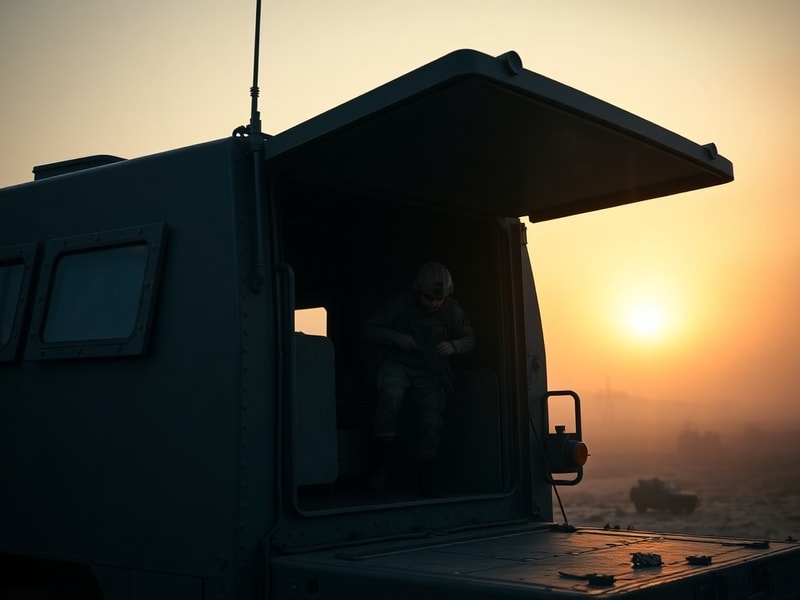
What Is a Sortie?
The word sortie carries multiple meanings across different contexts. In its most common usage, it refers to a military operation where aircraft or ships leave their base to attack enemy targets. The term originates from the French word for “exit,” reflecting the act of breaking out from a defensive position. Beyond military applications, sortie has evolved to describe any organized departure or movement, whether in sports, business, or daily routines.
Military historians trace the term back to 17th-century France, where it described cavalry or infantry raids. Today, it remains a staple in defense terminology, particularly in discussions about aerial combat and naval operations. For example, during World War II, sortie rates became a key metric for measuring an air force’s operational readiness. The adaptability of the word has allowed it to transcend its origins, finding relevance in modern digital and cultural contexts.
Sortie in Military Operations
In military strategy, a sortie is more than just a sortie—it’s a calculated maneuver designed to disrupt enemy operations while preserving the integrity of one’s own forces. Air forces, in particular, rely heavily on sortie rates to maintain pressure on adversaries. A high sortie rate indicates sustained combat capability, while a low rate may signal logistical or strategic challenges.
During the Gulf War, coalition forces executed thousands of sorties to dismantle Iraqi defenses. These operations required precise coordination between pilots, ground crews, and command centers. The success of such missions often depended on factors like fuel efficiency, weather conditions, and enemy air defenses. Modern sorties incorporate advanced technologies, including stealth aircraft and real-time data feeds, to enhance their effectiveness.
Naval sorties follow a similar principle. Warships deploy to patrol contested waters, conduct surveillance, or engage in combat. The term also applies to submarine operations, where stealth and surprise are critical. In both air and sea domains, sorties serve as the backbone of military power projection.
Key Elements of a Successful Sortie
- Mission Planning: Defining objectives, routes, and contingencies to ensure operational success.
- Resource Management: Allocating fuel, ammunition, and maintenance support to sustain sorties over time.
- Real-Time Adaptation: Adjusting tactics based on enemy movements or environmental changes.
- Deception and Misdirection: Using decoys or electronic warfare to confuse adversaries.
Sortie in Modern Digital and Cultural Contexts
The concept of a sortie has expanded beyond military applications. In the digital realm, tech companies often use the term to describe rapid deployments of software updates or cyber operations. For instance, a cybersecurity team might execute a digital sortie to neutralize a malware threat before it spreads. This metaphorical use underscores the term’s versatility and enduring relevance.
In sports, a sortie can refer to a player’s performance during a game. Basketball analysts might discuss a player’s sortie off the bench, highlighting their impact on the court. Similarly, in esports, a team’s sortie during a tournament can determine their advancement to the next round. These usages reflect the term’s ability to encapsulate moments of decisive action across diverse fields.
Culturally, sortie has been adopted in gaming and entertainment. Video games like Star Wars: Squadrons feature sortie-based missions where players engage in dogfights. In literature, sorties often symbolize rebellion or escape from oppressive systems. The term’s adaptability allows it to resonate with audiences across different mediums.
Global Perspectives on Sortie
The interpretation of sortie varies across cultures, shaped by historical experiences and strategic priorities. In the United States, sorties are often associated with air superiority and global power projection. The U.S. Air Force’s sortie rates during conflicts like Vietnam and Iraq became symbols of its technological and operational prowess.
In contrast, European military traditions emphasize sortie as a defensive maneuver. During World War II, the Royal Air Force’s night sorties over Germany demonstrated resilience against overwhelming odds. This approach highlights the term’s dual nature—both as an offensive tool and a means of survival.
In Asia, sortie strategies often reflect geopolitical tensions. Japan’s Self-Defense Forces, for example, conduct sorties to monitor Chinese naval activity in the East China Sea. These operations balance deterrence with diplomatic restraint, illustrating the complex interplay between military action and international relations.
Culturally, sortie has also found a place in global media. Japanese anime series like Strike Witches feature sorties as central plot devices, blending historical references with fantastical elements. In Latin America, the term is sometimes used in political contexts to describe protests or demonstrations that break from traditional routines.
Sortie in Popular Media
Several films and TV shows have explored the concept of sortie, often framing it as a heroic endeavor. Top Gun: Maverick showcases high-stakes sorties as pilots push the limits of their aircraft. Meanwhile, Battlestar Galactica uses sortie as a metaphor for humanity’s struggle for survival against mechanical adversaries. These portrayals underscore the term’s emotional and narrative potential.
In literature, sorties are frequently depicted as turning points in historical or fictional narratives. Ernest Hemingway’s A Farewell to Arms references sorties during World War I, capturing the chaos and futility of war. These examples demonstrate how sortie transcends its military origins to become a powerful storytelling device.
Explore more about military strategies and cultural trends on Dave’s Locker News and Entertainment.