Gas Prices Explained: Why They Rise and How to Save
Why Gas Prices Fluctuate More Than Ever
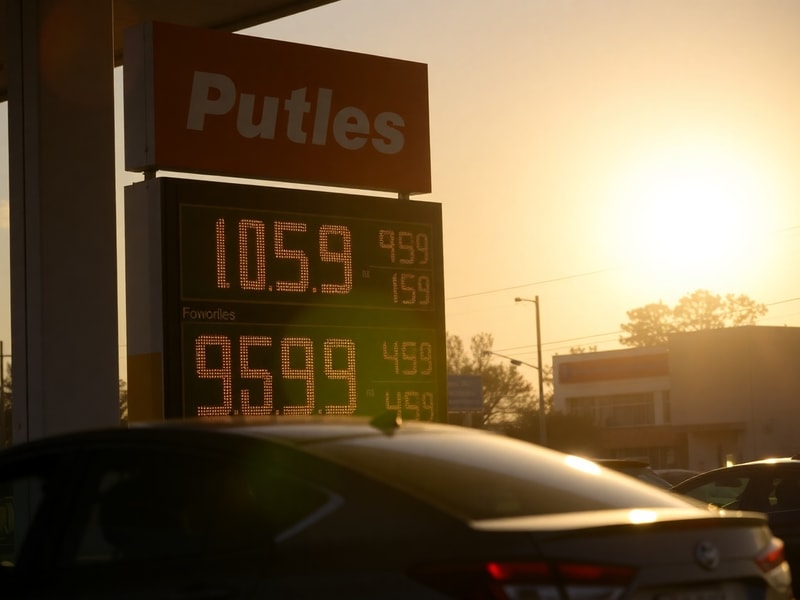
Gas prices have become one of the most unpredictable costs for drivers, swinging wildly with each news cycle. Just last month, the national average for regular unleaded hovered around $3.65 per gallon, yet within weeks it spiked to $3.89 before retreating again. This volatility isn’t random—it’s the result of layered pressures from global oil markets, refinery constraints, and even weather patterns. Unlike decades past when prices moved slowly, today’s interconnected economy transmits shocks almost instantly.
The latest surge followed a coordinated production cut by OPEC+, which removed 2.2 million barrels per day from the global supply. Traders reacted immediately, pushing crude oil futures higher. Retail stations, already operating on thin margins, passed those costs directly to consumers. But this wasn’t the only factor. A refinery fire in Texas and seasonal maintenance in the Midwest further tightened gasoline inventories, amplifying the squeeze. Such events reveal how fragile the supply chain remains, even after years of post-pandemic recovery.
The Hidden Costs Behind the Pump
Beyond the price per gallon, several invisible factors inflate what drivers actually pay. Federal, state, and local taxes add an average of $0.55 per gallon nationwide, with some states like California exceeding $0.70. Then there’s the role of credit card fees—retailers pay 1.5% to 3% per transaction, a cost quietly folded into the sticker price. Environmental regulations also play a part. California’s strict fuel standards, known as the Low Carbon Fuel Standard, require cleaner—but more expensive—gasoline blends. These mandates protect the environment while quietly padding the bill at the pump.
Summer blends, mandated to reduce smog during peak driving months, cost refiners more to produce. This seasonal switch often adds 10 to 15 cents per gallon, a predictable but frustrating increase for motorists. Meanwhile, pipeline disruptions or shipping delays can create temporary shortages, causing prices to jump in isolated regions. The result is a patchwork of rates across the country, with drivers in some areas paying 20 cents more than neighbors just 50 miles away.
How to Navigate the Price Rollercoaster
Despite the unpredictability, there are strategies drivers can use to soften the blow. One of the most effective is simply tracking trends. Apps like GasBuddy aggregate real-time prices from thousands of stations, helping users find the cheapest fuel within a five-mile radius. Another tactic is timing purchases. Filling up on Wednesdays or Thursdays often yields lower prices, as stations adjust midweek to weekend demand surges. Avoiding premium fuel—unless your vehicle specifically requires it—can also save money, as the difference in cost rarely translates to better performance.
Longer-term habits make a difference too. Keeping tires properly inflated improves fuel efficiency by up to 3%, while reducing idling and aggressive acceleration can cut consumption by 10% or more. For those open to alternatives, hybrid or electric vehicles offer escape from gasoline’s volatility, though upfront costs remain a barrier for many. Carpooling and public transit provide immediate relief, especially in urban areas where congestion fees and tolls add hidden costs to driving.
For businesses reliant on fleets—delivery services, contractors, or ride-share drivers—the stakes are even higher. Many have turned to fuel cards, which offer discounts at specific chains, or bulk purchasing programs to lock in rates. Some logistics companies now route vehicles through lower-cost regions, using data analytics to minimize detours. These adaptations highlight how price spikes aren’t just an inconvenience; they reshape entire industries.
Will Prices Ever Stabilize?
Predicting gas prices is notoriously difficult, but analysts point to a few trends that could ease pressure in the coming years. The rise of electric vehicles (EVs) is gradually reducing gasoline demand, though their growth remains uneven. In 2023, EVs accounted for 9% of new car sales, up from 7% the prior year, but adoption lags in rural areas and lower-income communities. As battery costs decline and charging infrastructure expands, this share will grow, potentially softening oil demand over time.
On the supply side, the U.S. has increased its strategic petroleum reserves, providing a buffer against sudden disruptions. The Biden administration has also approved new leasing for offshore drilling and expanded renewable fuel programs, aiming to balance short-term needs with long-term sustainability. Yet these measures face political headwinds, with environmental groups pushing for stricter limits and industry advocates lobbying for more production. The tug-of-war ensures no single solution will dominate.
Climate policies add another layer of uncertainty. States like New York and Washington have committed to phasing out gasoline-powered cars by 2035, a timeline that could accelerate if federal regulations tighten. Such policies aim to cut emissions but may also reduce refinery investments, potentially leading to supply shortages in the interim. The transition won’t be smooth, and consumers will likely bear the brunt of the adjustment costs.
What’s Next for Drivers?
The era of cheap gas is probably over. Even if prices retreat from current highs, they’re unlikely to return to the sub-$2 per gallon levels of the early 2010s. The best approach for drivers is adaptability—monitoring trends, adjusting habits, and exploring alternatives where possible. For policymakers, the challenge is managing the transition without leaving everyday Americans stranded financially.
One thing is clear: gas prices will remain a defining economic issue, shaping decisions from daily commutes to corporate logistics. Understanding the forces behind the fluctuations isn’t just academic—it’s a survival skill in a world where fuel costs ripple through every aspect of life.
For those interested in broader economic trends tied to energy, our Finance section offers deeper analysis on how oil markets intersect with global economies. Meanwhile, drivers looking for practical tips on reducing fuel expenses can explore our Automotive category, where we break down everything from hybrid conversions to maintenance hacks.