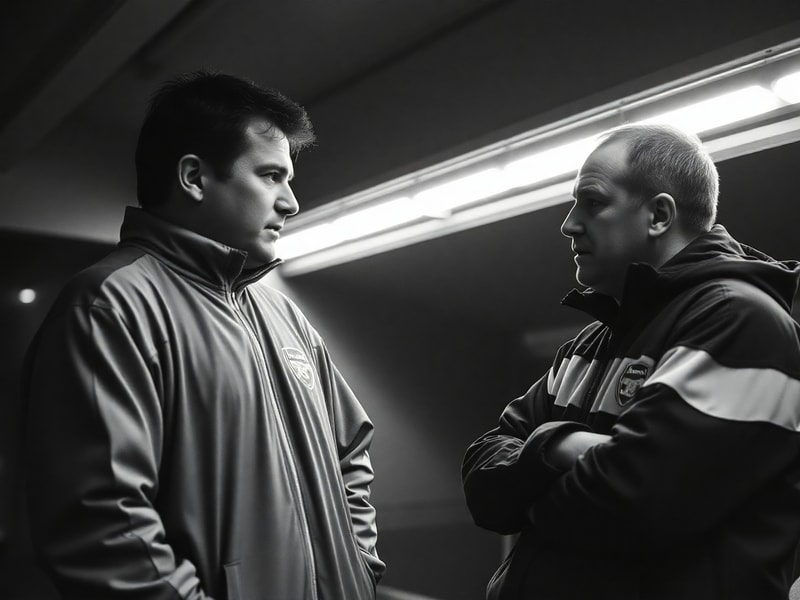
Early Life and Football Beginnings
Paul Merson’s story begins in Harlesden, a working-class neighborhood in northwest London. Born on March 20, 1968, he grew up in a community where football was more than a sport—it was a way of life. His early years were shaped by the streets of Brent, where local pitches became classrooms for the raw talent that would later define his career. At just 14, Merson joined Arsenal’s youth academy, a decision that marked the beginning of a lifelong relationship with the club and English football itself.
His rise through the ranks was swift. By 1986, at age 18, he made his senior debut for Arsenal under George Graham. The young midfielder possessed a rare combination of creativity, physicality, and an almost instinctive understanding of the game. His technical ability allowed him to glide past opponents, while his competitive edge made him a formidable presence in midfield. Within a few seasons, Merson became a cornerstone of Arsenal’s success, helping the club secure two First Division titles and an FA Cup during the late 1980s and early 1990s.
A Career of Triumphs and Turmoil
Merson’s peak years coincided with Arsenal’s dominance in English football. His partnership with players like Tony Adams, David Seaman, and later Dennis Bergkamp formed the backbone of a team that blended discipline with flair. The 1990-91 season was particularly memorable, as Arsenal finished the league campaign unbeaten—a feat that cemented Merson’s reputation as a key figure in one of the club’s most celebrated eras.
Yet, Merson’s career was not without its challenges. His personal struggles with alcohol and gambling became well-documented, casting a shadow over his professional achievements. In 1994, he sought treatment for his addictions, a decision that reflected both vulnerability and resilience. His return to football was met with admiration, as he continued to perform at a high level even after leaving Arsenal for Middlesbrough and later Portsmouth. These later years demonstrated his ability to reinvent himself, proving that his influence extended beyond his playing days.
From Player to Pundit: A Voice in the Game
After retiring in 2006, Merson transitioned seamlessly into media, becoming one of football’s most recognizable pundits. His work with Sky Sports and talkSPORT showcased a no-nonsense approach, blending sharp insights with unfiltered opinions. Whether analyzing tactics, critiquing performances, or sharing anecdotes from his playing days, Merson’s commentary resonated with fans who valued authenticity over polished rhetoric.
His punditry style reflects his journey—a mix of raw honesty and deep knowledge. Unlike some analysts who rely on data or jargon, Merson speaks from experience, drawing on his years on the pitch. This perspective has made him a trusted voice for viewers navigating the complexities of modern football. His contributions extend beyond commentary; he has also been involved in coaching, including a stint as assistant manager at Walsall, further solidifying his connection to the game.
Cultural Impact and Public Perception
Merson’s influence transcends the football pitch. He represents a generation of players who transitioned from modest backgrounds to global fame, only to face the pressures that come with such success. His openness about his struggles with addiction has humanized him in the eyes of fans, making him more than just a sports figure—a role model for resilience.
In the UK, Merson is often cited in discussions about football’s working-class roots and the challenges of maintaining mental well-being in a high-stakes environment. His story has been featured in documentaries and interviews, highlighting the broader cultural significance of athletes who navigate fame, failure, and redemption. Globally, his name is synonymous with English football’s golden era, a reminder of a time when skill and grit defined the game.
Legacy and Lessons for Future Generations
Paul Merson’s career offers several lessons for aspiring footballers and fans alike. His ability to overcome personal demons while maintaining professional excellence underscores the importance of mental health in sports. His journey from Harlesden to the Emirates Stadium (and beyond) illustrates how talent, when nurtured, can transcend boundaries.
For those studying football history, Merson’s career is a case study in adaptability. He evolved from a creative midfielder to a respected pundit, proving that success is not linear. His story also serves as a cautionary tale about the pressures of fame and the need for support systems in athletics.
As football continues to evolve, Merson’s legacy reminds us of the human stories behind the game. His impact on Arsenal, English football, and sports media ensures that his name will endure long after his playing days.
Key Takeaways from Merson’s Career
- Early Talent Recognition: Joining Arsenal’s youth academy at 14 set the stage for a legendary career.
- Peak Performances: His role in Arsenal’s 1990-91 unbeaten league campaign remains iconic.
- Personal Challenges: His openness about addiction and recovery has made him a relatable figure.
- Media Influence: His punditry has redefined football commentary with authenticity.
- Cultural Significance: He embodies the working-class roots of English football and the pressures of fame.
Paul Merson’s story is one of triumph, struggle, and reinvention. Whether on the pitch, in recovery, or in the commentary box, he has left an indelible mark on the sport and its culture. His journey serves as both inspiration and a reminder of the complexities that define athletic careers.
For further reading on football legends and their cultural impact, explore our Sports category, where we delve deeper into the stories shaping the game today.