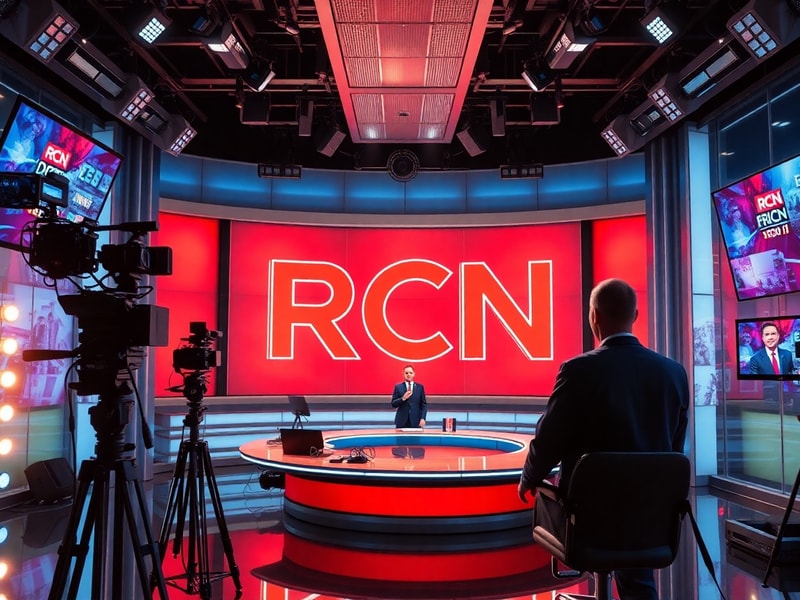
In Colombia, live television isn’t just a medium—it’s a shared experience that brings people together across cities, generations, and social classes. Among the country’s most watched live broadcasts, RCN en Vivo stands out as both a cultural institution and a daily ritual for millions. Unlike on-demand streaming, which caters to individual viewing habits, RCN’s live programming fosters real-time connection, turning living rooms into virtual town squares. This phenomenon reflects a broader trend in Latin American media, where television remains a unifying force despite the rise of digital alternatives.
The concept of en vivo—live broadcasting—has deep roots in Colombia’s media history. RCN Televisión, one of the nation’s oldest private broadcasters, launched in 1967, and its live programming has evolved from news bulletins to high-stakes sports, political debates, and entertainment galas. Today, RCN en Vivo is not just a service; it’s a cultural touchstone that adapts to changing viewer behaviors while preserving the immediacy that defines live TV.
The Role of Live TV in Colombian Society
Live television in Colombia serves multiple functions beyond entertainment. It is a primary source of news, a platform for national dialogue, and a stage for public figures. According to data from the News section of Dave’s Locker, over 70% of Colombians cite television as their main source of information, with RCN consistently ranking among the top three broadcasters. This trust is built on decades of journalistic presence, especially during pivotal moments such as elections, protests, or crises.
Live broadcasts also play a crucial role in rural areas, where internet access remains limited. In regions with poor connectivity, RCN en Vivo is often the only way to access breaking news or cultural events in real time. This digital divide highlights how traditional media continues to bridge gaps that streaming platforms cannot. Programs like Noticias RCN become lifelines, offering weather alerts, road conditions, and community updates that affect daily life.
Cultural Rituals Around Live Programming
In Colombian households, certain live shows are non-negotiable events. For instance, the broadcast of RCN Noticias at 7 PM is a family gathering time, similar to prime-time traditions in other countries. Sports events, particularly soccer matches featuring Colombia’s national team or top local clubs like Millonarios or Nacional, draw massive live audiences. When the national team plays, streets empty, and neighbors crowd around single screens in plazas or small shops.
This collective viewing experience is deeply rooted in Latin American social norms, where community and family bonds are central. Unlike Western models that emphasize individual consumption, Colombian live TV thrives on shared reactions—laughter during comedies, gasps during telenovelas, and heated debates during talk shows. RCN en Vivo amplifies this by incorporating viewer calls, social media integration, and interactive segments that make audiences feel directly involved.
How RCN Adapts to the Digital Era
While live television remains powerful, RCN has had to evolve to stay relevant. The broadcaster now offers multi-platform access, allowing viewers to stream live content via its website, mobile app, and social media channels. This hybrid approach caters to younger audiences who consume media on multiple devices while still valuing the authenticity of live broadcasts.
One notable innovation is RCN’s integration of user-generated content. During major events, the network encourages viewers to share live reactions, photos, or videos using hashtags like #RCNenVivo. This not only increases engagement but also creates a feedback loop where the audience shapes the narrative. For example, during the 2022 presidential elections, RCN’s live coverage featured real-time voter reactions from across the country, blending professional journalism with grassroots perspectives.
Challenges and Criticisms
Despite its cultural significance, RCN en Vivo faces challenges. The rise of streaming services like Netflix and Disney+ has fragmented audiences, particularly among urban youth. Critics argue that traditional live TV can feel outdated, especially when compared to the personalized algorithms of digital platforms. Additionally, concerns about misinformation in live news segments have prompted calls for greater fact-checking measures.
Another issue is the commercialization of live programming. High advertising loads during popular shows, such as telenovelas or sports, have led to viewer fatigue. Some Colombians feel that the balance between content and commercials has tipped too far, diminishing the quality of the live experience. RCN has responded by experimenting with ad-free segments and subscription models, though these efforts are still in early stages.
Global Perspectives on Live TV Culture
Colombia’s affinity for live television is not unique. In many Latin American countries, live broadcasts remain a cornerstone of media consumption. In Mexico, Televisa’s live telenovelas draw millions daily, while in Brazil, Rede Globo’s Jornal Nacional is a national institution. Even in the United States, where streaming dominates, live events like the Super Bowl or award shows continue to captivate audiences.
However, Colombia’s live TV culture stands out for its blend of tradition and innovation. Unlike countries where live TV is dominated by a single state-run channel, RCN competes with other major broadcasters like Caracol Televisión, creating a dynamic media landscape. This competition has driven creativity, from interactive game shows to live reality TV formats that blur the line between fiction and reality.
Internationally, RCN en Vivo has also gained attention for its coverage of Colombian diaspora communities. Through live streams and satellite broadcasts, Colombians living abroad can participate in national conversations, reinforcing cultural identity across borders. This global reach underscores how live television can transcend geography, acting as a bridge between home and distant homelands.
Looking Ahead: The Future of RCN en Vivo
The future of RCN en Vivo will likely depend on its ability to balance tradition with innovation. As younger generations prioritize on-demand content, RCN must find ways to make live TV more interactive and personalized. Potential strategies include integrating augmented reality (AR) features, offering exclusive live content for subscribers, or even experimenting with live shopping segments, a trend gaining traction in Asia.
Another key factor is the role of journalism. In an era of misinformation, RCN’s commitment to accurate, timely reporting will be crucial. By investing in investigative journalism and transparent live coverage, the network can reinforce its credibility and maintain its position as a trusted source.
Ultimately, RCN en Vivo’s enduring appeal lies in its ability to reflect and shape Colombian society. Whether through a gripping soccer match, a breaking news alert, or a live cultural event, the network continues to prove that live television is more than just a relic of the past—it’s a living, breathing part of daily life.
Conclusion
RCN en Vivo is more than a television service; it’s a cultural phenomenon that adapts without losing its essence. In a country where community and immediacy matter, live broadcasting provides a sense of belonging and connection. As technology advances, RCN must navigate the challenges of the digital age while preserving the authenticity that makes live TV special. For millions of Colombians, turning on RCN en Vivo is not just a habit—it’s a tradition that keeps evolving with the times.