The 2026 FIFA World Cup: A New Era for Global Football
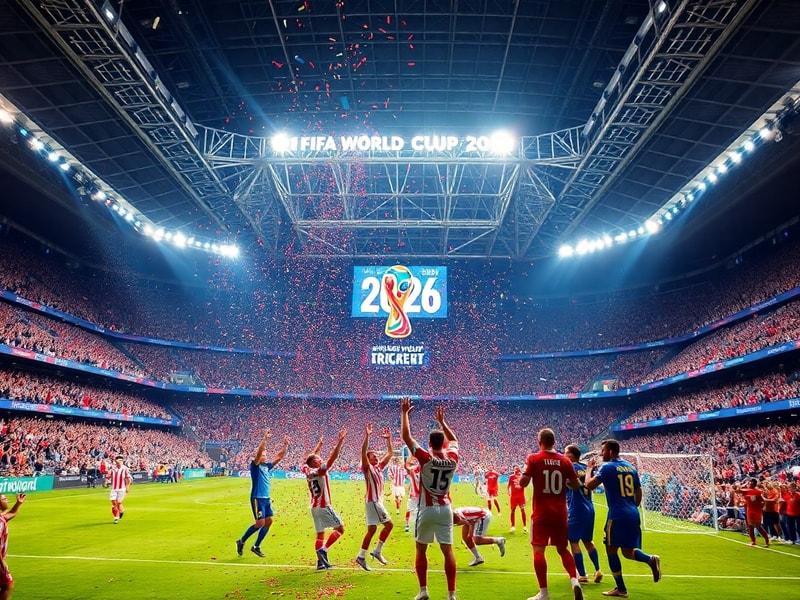
The 2026 FIFA World Cup marks a historic moment for international football. For the first time, the tournament will expand to 48 teams, promising more matches, more drama, and greater global representation. Co-hosted by three nations—Canada, Mexico, and the United States—the event spans June 11 to July 19, 2026, and introduces a fresh format that could reshape the sport’s future.
This expansion isn’t just about numbers. It’s a calculated move by FIFA to grow football’s footprint in North America and beyond. With matches scheduled across 16 cities—from Toronto to Los Angeles—the tournament will stretch across vast distances, testing logistical frameworks and fan engagement strategies. The question isn’t whether the 2026 World Cup will be bigger, but how it will redefine what a global sporting spectacle can look like.
Why the 2026 Format Changes Everything
The expansion from 32 to 48 teams isn’t merely an administrative tweak. It’s a structural shift that alters the competitive balance, fan experience, and even the economics of the tournament. Under the new format, teams will compete in 12 groups of four, with the top two from each group advancing to a 32-team knockout stage. This means 80 matches in total—up from 64 in previous editions—spreading the action over 39 days.
The format also introduces a third-place playoff for teams knocked out in the group stage, offering additional competitive stakes. Critics argue that weaker teams may gain easier pathways to later rounds, potentially diluting the tournament’s overall quality. However, proponents highlight the opportunity for underdog stories and new footballing narratives to emerge. The 2026 World Cup could become a stage where nations like Jamaica, Haiti, or even an African debutant team capture the world’s attention.
Another key change is the expanded broadcast reach. With more matches comes more content for global audiences, particularly in emerging markets. FIFA’s revenue projections already reflect this optimism, with projected earnings from broadcasting rights expected to surpass $4 billion—nearly double the revenue from the 2022 Qatar World Cup. The financial ripple effects will extend to sponsors, host cities, and even grassroots football development programs worldwide.
Hosting in North America: A Strategic Gamble
Choosing Canada, Mexico, and the U.S. as co-hosts was a bold decision, one aimed at tapping into football’s growing popularity in the region. While the U.S. has a well-established soccer infrastructure—thanks to Major League Soccer and the 1994 World Cup—Canada and Mexico bring unique cultural and logistical advantages. Mexico, in particular, boasts passionate fanbases and stadiums with electric atmospheres, while Canada offers world-class venues in multicultural hubs like Toronto and Vancouver.
The geographic spread, however, poses challenges. Teams and fans will need to travel vast distances, from Vancouver in the west to Atlanta in the east. Organizers have proposed a “fan zone” model, where supporters can follow multiple matches without extensive travel, but logistical hurdles remain. Transportation networks, security protocols, and accommodation capacities will be tested, especially in cities unaccustomed to hosting large-scale international events.
There are also concerns about venue readiness. While stadiums like SoFi in Los Angeles and Azteca in Mexico City are iconic, others—such as BMO Field in Toronto or AT&T Stadium in Dallas—require upgrades to meet FIFA’s standards. The pressure is on to deliver a seamless experience, as any missteps could overshadow the tournament’s historic nature.
Yet the gamble could pay off. North America’s diverse fan base, corporate sponsorship strength, and existing sports infrastructure position it as an ideal proving ground for a modernized World Cup. If successful, the 2026 model could set a new standard for future tournaments, particularly in regions like Asia or Africa, where football is rapidly growing.
Broader Implications: Beyond the Pitch
The 2026 World Cup isn’t just a sporting event; it’s a cultural and economic catalyst. For host cities, the tournament represents an opportunity to showcase their global appeal and attract long-term tourism. Atlanta, for example, plans to leverage its role as a hub for both football and entertainment to create lasting legacies. Similarly, Mexico City’s rich football culture could inspire a new generation of players and fans.
On the global stage, the tournament will test FIFA’s commitment to inclusivity. With 16 additional teams, the World Cup will feature debutants from regions like Oceania, Central America, and potentially even South Asia. This could democratize football’s narrative, giving smaller nations a platform to challenge established powerhouses. It also raises questions about competitive balance—will the gap between traditional football powerhouses and emerging teams widen or narrow?
The environmental impact is another critical consideration. FIFA has pledged to make the 2026 World Cup carbon-neutral, a lofty goal for an event spanning three countries and 16 venues. Critics remain skeptical, given the scale of construction, travel emissions, and energy consumption. However, organizers point to innovations like renewable energy partnerships and sustainable stadium designs as proof of progress. The tournament could set benchmarks for future mega-events, proving that global sporting spectacles can align with climate goals.
For fans, the expanded format means more access to live football, but it also risks diluting the exclusivity of the World Cup experience. With 80 matches spread across weeks, the tournament risks becoming a marathon rather than a sprint. Organizers will need to balance quantity with quality, ensuring that each game maintains its significance. The challenge will be creating a narrative that keeps fans engaged from start to finish.
What to Watch For
The 2026 World Cup will introduce several storylines that could define football’s future. Here are the key narratives to follow:
- New Contenders: Teams like Morocco, Japan, and Senegal have already proven their mettle in recent tournaments. With more spots available, lesser-known nations like the Philippines, Canada, or Iraq could make their debut with high stakes.
- Star Power: The tournament will serve as a coming-of-age stage for young talents like Pedri (Spain), Jamal Musiala (Germany), or Gio Reyna (USA). Meanwhile, veterans like Lionel Messi or Cristiano Ronaldo may or may not grace the tournament, depending on their national team’s fortunes.
- Technology and Innovation: VAR (Video Assistant Referee) and goal-line technology will play expanded roles, while AI-driven fan experiences and augmented reality broadcasts could redefine how audiences engage with the tournament.
- Fan Experience: From ticketing innovations to sustainable travel options, the 2026 World Cup will experiment with ways to enhance the fan experience. Will the “fan zone” model succeed in reducing travel fatigue?
- Legacy Projects: Host cities are investing in long-term football development, from new training facilities to youth academies. The success of these initiatives could shape football’s growth in North America for decades.
For a deeper dive into the cultural and economic impact of global sporting events, explore our Culture and News sections. These categories cover how major tournaments influence societies, economies, and fan behaviors beyond the pitch.
A Tournament for the Future
The 2026 FIFA World Cup represents more than an expansion of teams or matches. It’s a statement about football’s global ambitions, a test of logistical innovation, and a canvas for new narratives. Whether it succeeds in balancing competition, spectacle, and sustainability will determine its legacy.
The challenges are substantial—logistical hurdles, competitive balance, and environmental concerns—but so are the opportunities. For the first time, fans from every continent will have a realistic shot at World Cup glory. For host nations, the tournament offers a chance to cement their place in football’s hierarchy. And for the sport itself, it’s a chance to evolve.
As the countdown to kickoff begins, one thing is clear: the 2026 World Cup won’t just be bigger. It will be different. And in the ever-changing landscape of global football, that might be the most exciting outcome of all.