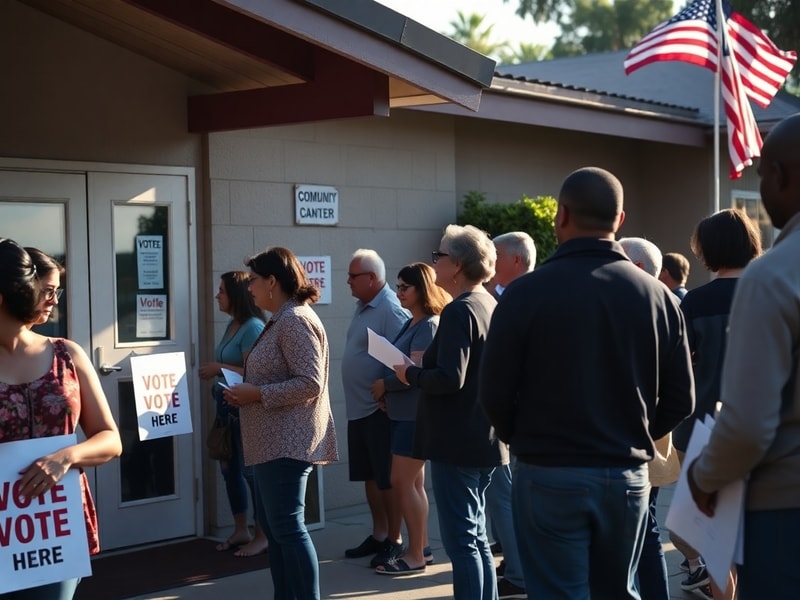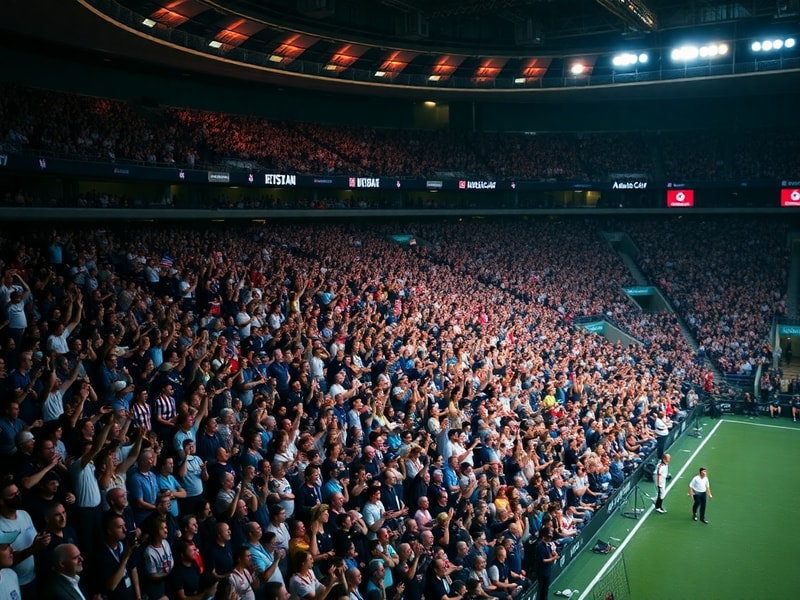
The 2026 FIFA World Cup will mark a historic moment for soccer in North America. Jointly hosted by the United States, Canada, and Mexico, the tournament expands to 48 teams and introduces matches across 16 cities. From the glitz of SoFi Stadium in Los Angeles to the passion of Azteca in Mexico City, the venues promise a global spectacle unlike any before. Organizers have emphasized sustainability, fan accessibility, and legacy infrastructure as core pillars of the event’s planning.
How the 2026 World Cup is reshaping U.S. soccer culture
U.S. soccer has experienced rapid growth in the past decade, fueled by the rise of Major League Soccer and the success of the U.S. Women’s National Team. The 2026 World Cup arrives as the sport’s momentum peaks, with over 40 million Americans identifying as soccer fans—up from 30 million in 2018. The tournament is expected to accelerate youth participation, boost local club development, and deepen corporate investment in the sport.
Local organizing committees have launched grassroots programs in host cities, including free youth clinics and public viewing festivals. In cities like Atlanta and Philadelphia, where soccer has struggled to break into mainstream sports culture, the World Cup offers a chance to engage new audiences. Analysts predict a 20% increase in MLS season ticket sales in host markets within two years of the tournament.
Beyond attendance numbers, the cultural impact may be even greater. The U.S. team’s performance in 2022—reaching the Round of 16—sparked national pride. With home soil advantage in 2026, expectations are higher. The tournament could redefine what it means to be a soccer nation in America, shifting perceptions from “emerging market” to “global leader.”
Key venues and host cities: where history will be made
The 2026 World Cup will span three countries and 16 host cities, each offering a unique backdrop for the world’s biggest sporting event. In the U.S., iconic stadiums like MetLife in New Jersey and AT&T Stadium in Dallas will host knockout rounds. Meanwhile, Canada’s Vancouver and Toronto bring international flair, while Mexico’s Guadalajara and Monterrey offer electric atmospheres rooted in deep soccer tradition.
Below are the confirmed host cities and their signature venues:
- United States: Los Angeles (SoFi Stadium), New York/New Jersey (MetLife Stadium), Dallas (AT&T Stadium), Houston (NRG Stadium), Philadelphia (Lincoln Financial Field), Atlanta (Mercedes-Benz Stadium), Kansas City (Arrowhead Stadium), Boston (Gillette Stadium), Miami (Hard Rock Stadium), San Francisco Bay Area (Levi’s Stadium)
- Canada: Toronto (BMO Field), Vancouver (BC Place)
- Mexico: Mexico City (Estadio Azteca), Guadalajara (Estadio Akron), Monterrey (Estadio BBVA)
Each venue has undergone upgrades to meet FIFA’s stringent requirements, including enhanced security, fan zones, and sustainable operations. AT&T Stadium, for example, will expand its capacity to over 90,000 for group-stage matches. Meanwhile, Mexico City’s Estadio Azteca—already the largest stadium in the Western Hemisphere—will host the opening match, setting the tone for a tournament steeped in history and grandeur.
The geographic spread ensures diverse cultural experiences. Fans in Miami can enjoy tropical vibes, while those in Kansas City will experience classic American tailgating culture. The inclusion of Canadian and Mexican cities underscores the tournament’s continental unity, a first in World Cup history.
Challenges and controversies: from scheduling to sustainability
Despite the excitement, the 2026 World Cup faces real challenges. The expanded 48-team format means more matches—104 in total—spread over 39 days. Critics argue this risks fan fatigue and dilutes the tournament’s intensity. Others point to scheduling conflicts with domestic leagues, particularly in Europe, where clubs may lose star players for extended periods.
Another major concern is sustainability. Host cities have pledged carbon-neutral operations, but critics remain skeptical. New stadiums like the one in Atlanta required significant land use, raising questions about long-term environmental impact. Organizers have responded with transit incentives, bike-sharing programs, and renewable energy offsets, but implementation remains uneven across host cities.
Security is also a top priority. With millions of international visitors expected, coordination between U.S., Canadian, and Mexican authorities is critical. Past tournaments have faced delays and overcrowding; lessons from Qatar 2022 and Brazil 2014 are guiding current planning. Enhanced digital ticketing and biometric entry systems are being tested to streamline access and reduce fraud.
The cost of hosting is another point of debate. While public funding has been minimized through private partnerships, some cities like Los Angeles and New York have invested heavily in infrastructure upgrades. Taxpayer groups have raised concerns about long-term debt, echoing controversies from past mega-events. Organizers counter that the economic boost—estimated at $5 billion per host nation—will outweigh initial costs.
What’s next: from qualification to the final whistle
Qualification for the 2026 World Cup begins in late 2023 and runs through early 2026. With 48 spots available, nearly every confederation will see increased representation. CONCACAF, which governs North and Central America, gains three additional spots, raising the stakes for teams like the U.S., Mexico, and Canada. Meanwhile, Europe gains four extra berths, intensifying competition among traditional powerhouses.
The expanded format introduces a new group stage: 12 groups of four teams, with the top two from each group advancing to a 32-team knockout round. This change aims to reward consistency while maintaining high-stakes drama. Analysts anticipate more underdog stories, with smaller nations like Jamaica, Haiti, or El Salvador potentially making deep runs.
For U.S. fans, the focus is on the national team’s path. With a golden generation of young talent—including players like Folarin Balogun, Yunus Musah, and Gio Reyna—the U.S. has a real chance to advance further than in 2022. A strong showing on home soil could solidify the team’s status among the world’s elite and inspire a new wave of players.
As the tournament approaches, anticipation is building. The 2026 World Cup isn’t just a sporting event; it’s a cultural milestone. It will test North America’s ability to host a global spectacle, redefine soccer’s place in the U.S., and leave a lasting legacy for generations to come.