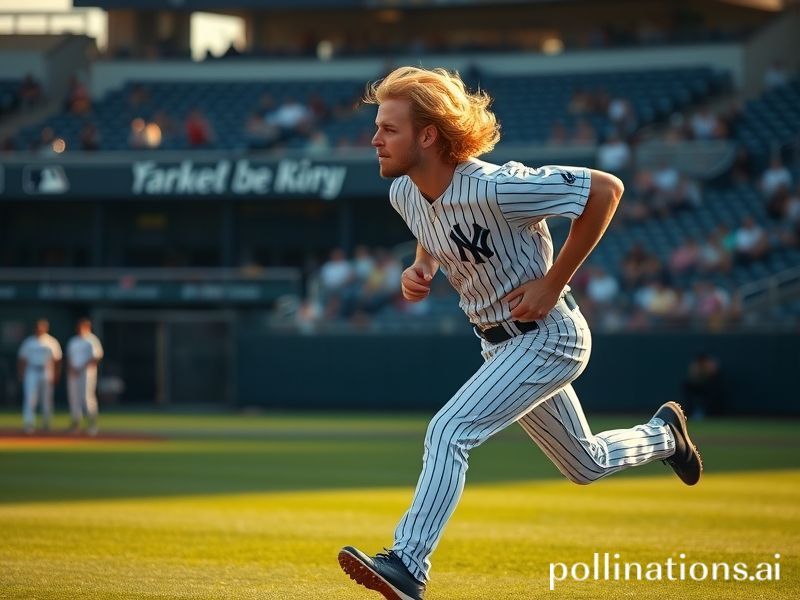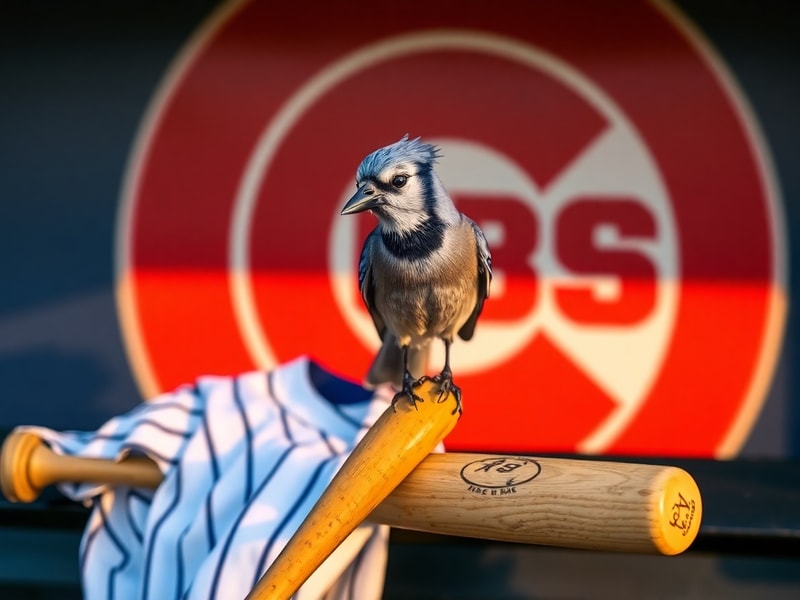
The rivalry between the Toronto Blue Jays and the Chicago Cubs extends beyond the diamond. It’s a clash of baseball philosophies, fan cultures, and geographic identities. While the Blue Jays represent the dynamic energy of Canada’s only Major League Baseball team, the Cubs embody the storied tradition of America’s oldest continuously operating professional sports franchise. These teams rarely meet in meaningful matchups, but when they do, the games carry a weight that transcends typical regular-season play.
The origins of two iconic franchises
The Blue Jays were established in 1977 as an expansion team, bringing Major League Baseball to Canada for the first time. Owned by Labatt Brewing Company and playing their home games at Exhibition Stadium, the team struggled in its early years but quickly became a symbol of national pride. By the mid-1980s, they had transformed into contenders, culminating in back-to-back World Series championships in 1992 and 1993. Those teams featured legends like Joe Carter, Roberto Alomar, and Paul Molitor, players who became household names north of the border.
The Chicago Cubs, by contrast, trace their history back to 1876, making them one of the oldest teams in professional sports. Nicknamed “The North Siders,” the Cubs have long been a cornerstone of Chicago’s identity. Their fanbase, known for its loyalty and colorful traditions, endured decades of heartbreak before finally breaking the 108-year World Series drought in 2016. Wrigley Field, their historic ballpark, remains a living museum of baseball nostalgia, where ivy-covered outfield walls and hand-turned scoreboards evoke a bygone era.
Despite their different timelines, both franchises share a commitment to building through young talent. The Blue Jays’ current core includes stars like Vladimir Guerrero Jr. and Bo Bichette, while the Cubs rely on a mix of homegrown talent like Christopher Morel and established veterans such as Marcus Stroman. Their developmental philosophies reflect broader trends in modern baseball: speed, power, and defensive versatility are prized over traditional “small ball” tactics.
How their playing styles contrast
The Blue Jays and Cubs approach the game with distinct identities. Toronto’s offense is built on power and patience. In 2023, they ranked fourth in the American League in home runs and second in walks. Their lineup thrives on launch angles and exit velocity, a formula that has produced elite sluggers like Guerrero Jr., who led the majors in hard-hit rate in 2022. The team’s bullpen, anchored by Jordan Romano, is one of the most reliable in baseball, often closing out games with a mix of velocity and deception.
The Cubs, meanwhile, emphasize a balanced attack that values contact and situational hitting. While they possess power threats like Patrick Wisdom and Nico Hoerner, their offense often revolves around manufacturing runs through bunts, steals, and productive outs. Chicago’s pitching staff, led by Justin Steele and Drew Smyly, prioritizes ground-ball outs and strike-throwing consistency. This approach reflects the Cubs’ organizational philosophy: control the game’s tempo and limit mistakes.
Defensively, the Blue Jays deploy an aggressive outfield alignment, often shifting their infielders to cover ground balls hit to unlikely zones. This strategy has helped them rank among the league leaders in defensive runs saved. The Cubs, on the other hand, prioritize positioning that minimizes damage rather than maximizes outs. Their infielders, including shortstop Dansby Swanson, are known for their range and arm strength, making them adept at turning double plays and preventing extra-base hits.
When these styles collide, the result is often a chess match between two contrasting ideologies. The Blue Jays’ power-first approach challenges the Cubs to counter with timely pitching and defensive precision. Conversely, Toronto’s bullpen must remain sharp against Chicago’s methodical offense, which thrives on wearing down opponents over multiple at-bats.
Fan cultures and regional pride
The passion of each team’s fanbase is as much a part of the rivalry as the players on the field. Blue Jays fans are known for their enthusiasm and hospitality. Rogers Centre, their home stadium, frequently hosts sellout crowds decked out in teal and navy, with chants of “Let’s go, Jays!” echoing through the concourses. The team’s fanbase is diverse, reflecting Canada’s multicultural identity, and their support extends beyond Toronto to cities like Vancouver and Montreal. Social media buzzes with hashtags like #NextManUp, celebrating the team’s resilience and underdog spirit.
The Cubs’ fanbase, known as the “Cubs Faithful,” is legendary for its loyalty and patience. Wrigleyville, the neighborhood surrounding Wrigley Field, transforms into a sea of blue and red on game days, with fans singing along to “Take Me Out to the Ball Game” during the seventh-inning stretch. The Cubs’ fan culture is deeply rooted in tradition, from the manual scoreboard to the rooftop bleachers where spectators watch games from nearby buildings. While Blue Jays fans celebrate championships, Cubs fans endured decades of frustration before finally tasting victory in 2016—a moment that cemented their reputation as one of the most resilient fanbases in sports.
Geography also plays a role in shaping these fanbases. The Blue Jays represent a nation that stretches from coast to coast, with fans in every province. Their games are broadcast nationally on Sportsnet, uniting Canadians under a shared banner. The Cubs, by contrast, are a regional powerhouse, with most of their fanbase concentrated in the Midwest. Their reach extends across the country through MLB Network and streaming services, but their identity remains tied to Chicago and its neighborhoods.
These fan cultures often collide in friendly banter on social media, where debates over which team has the better hot dog or which ballpark offers the best atmosphere play out in real time. Yet, despite the rivalry, there’s a mutual respect between the two fanbases—a recognition that they’re part of a larger baseball community.
Notable matchups and future clashes
Though the Blue Jays and Cubs haven’t faced each other in the postseason, their interleague games have produced memorable moments. In 2018, they met for the first time in 25 years, with the Cubs winning two out of three games at Wrigley Field. The series featured a walk-off home run by Javier Báez and a dominant performance by Cubs ace Jon Lester. The following year, the teams split a two-game series at Rogers Centre, with Vladimir Guerrero Jr. making his MLB debut against Chicago. Those games highlighted the contrast between the teams’ styles: power vs. precision, youth vs. experience.
Looking ahead, a potential playoff matchup between the Blue Jays and Cubs would be one of the most intriguing in recent memory. Both teams are rebuilding around young cores, and their front offices are known for aggressive player development. The Blue Jays’ focus on analytics and the Cubs’ emphasis on player development could create a clash of modern and traditional baseball philosophies. A postseason series would not only test their on-field strategies but also showcase the passion of their fanbases on a global stage.
For now, fans can look forward to the occasional interleague series, where the Blue Jays and Cubs will continue to write new chapters in their rivalry. Whether it’s a Guerrero Jr. home run at Wrigley or a Stroman strikeout at Rogers Centre, these games offer a taste of what a full postseason series might look like.
As baseball evolves, so too does this rivalry. The Blue Jays and Cubs represent two different visions of the game—one bold and power-driven, the other methodical and tradition-rich. Yet, at their core, they share a love for the sport and a commitment to excellence. When they take the field, it’s more than a game. It’s a celebration of baseball in all its forms.