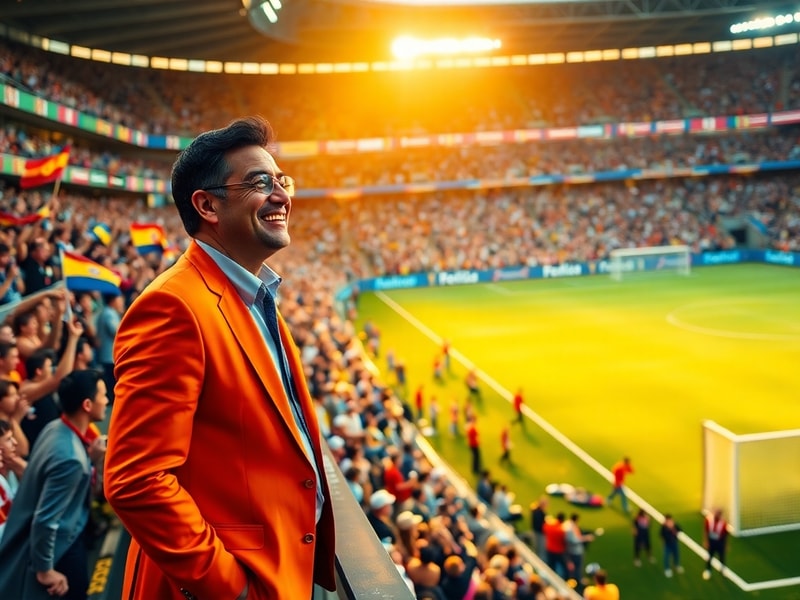
Telemundo’s coverage of the World Cup has become a cornerstone of Spanish-language sports broadcasting in the United States, blending high-energy commentary with cultural storytelling that resonates deeply with Latino audiences. Since securing the rights to FIFA tournaments, the network has transformed how millions experience the world’s most-watched sporting event, turning matches into must-watch communal events. With a team of bilingual commentators, in-depth analysis, and behind-the-scenes features, Telemundo doesn’t just report the game—it immerses viewers in its drama, passion, and global significance.
From Niche Audience to National Phenomenon
When Telemundo first acquired the rights to the 2015 FIFA Women’s World Cup, it marked a turning point in U.S. sports media. For decades, English-language networks dominated sports coverage, often leaving Spanish-speaking fans with limited options. Telemundo seized the moment, positioning itself as the go-to destination for Latino viewers hungry for authentic, unfiltered access to the tournament. The strategy paid off immediately. Ratings soared, advertisers took notice, and the network’s coverage became a cultural touchstone for families gathered around screens, cheering in Spanish.
The 2018 World Cup in Russia further solidified Telemundo’s dominance. The network’s live broadcasts, led by charismatic anchors like Andrés Cantor and copresenter Jessica Carrillo, drew an average of 1.5 million total viewers per match in the U.S., according to Nielsen. That figure included not only Spanish-speaking households but also bilingual families who preferred Telemundo’s immersive style over the more clinical approach of English-language networks. The network’s social media presence exploded as well, with clips of Cantor’s legendary “Gooooool!” call and post-match analysis trending across platforms.
How Telemundo Redefined Sports Media for Latino Audiences
Telemundo’s success isn’t just about broadcasting games—it’s about curating an experience. The network has mastered the art of blending sports journalism with cultural context, ensuring that viewers don’t just see the action but feel its emotional weight. Here’s how they do it:
- Bilingual storytelling: Telemundo’s commentary team includes native Spanish speakers who provide nuanced insights, while also offering English translations for broader accessibility. This dual-language approach bridges generational gaps, making the content relatable to both older immigrants and younger U.S.-born Latinos.
- Player profiles and human interest stories: Before each tournament, Telemundo produces in-depth segments on key players, often highlighting their journeys from humble beginnings to global stardom. These stories aren’t just filler—they create emotional connections that keep viewers invested in the narratives beyond the final score.
- Fan engagement: The network leverages social media platforms like Instagram, TikTok, and YouTube to share behind-the-scenes content, player interviews, and fan reactions. During the 2022 World Cup in Qatar, Telemundo’s “Fan Zone” segments became a viral sensation, showcasing the passion of Latino supporters worldwide.
- Cultural commentary: Beyond the pitch, Telemundo’s studio analysts dissect the broader implications of the tournament, from political tensions to economic impacts. For example, during the 2022 World Cup, the network explored Qatar’s human rights controversies and how they affected the global perception of the event.
This multifaceted approach has turned Telemundo’s World Cup coverage into more than just a broadcast—it’s a cultural event in its own right. Families tune in not just to watch soccer but to celebrate their heritage, debate tactics, and share in the collective excitement of the tournament.
The Business of World Cup Broadcasting: Why Telemundo’s Model Works
Telemundo’s investment in World Cup coverage is a calculated move that aligns with broader trends in media consumption. According to a 2023 report by Pew Research Center, 42% of U.S. Latinos cite sports as their primary form of entertainment, with soccer leading the pack. By securing exclusive rights to FIFA tournaments, Telemundo has tapped into a lucrative and underserved market, attracting advertisers eager to reach a young, engaged, and digitally savvy audience.
The financial stakes are high. Broadcasting rights for the 2026 World Cup, which will be co-hosted by the U.S., Canada, and Mexico, are estimated to cost networks over $1 billion. Telemundo’s parent company, NBCUniversal, has signaled its commitment to outbidding competitors, ensuring that the network remains the premier destination for Latino sports fans. This strategy isn’t just about ratings—it’s about long-term brand loyalty. By consistently delivering high-quality, culturally relevant content, Telemundo strengthens its position as a leader in Spanish-language media.
The network’s success has also forced competitors to adapt. Univision, Telemundo’s longtime rival, has struggled to keep pace with its more dynamic coverage, often relying on recycled content or English-language simulcasts. Meanwhile, English-language networks like Fox Sports and ESPN have attempted to court Latino audiences with bilingual hosts and targeted marketing, but none have matched Telemundo’s authenticity or depth of coverage.
The Future of Telemundo’s World Cup Coverage: What’s Next?
As the 2026 World Cup approaches, Telemundo is doubling down on innovation. The network has already begun experimenting with augmented reality (AR) graphics, interactive polls, and personalized viewing experiences through its streaming platform, Peacock. These tools aim to enhance fan engagement, particularly among younger viewers who consume content on-demand and across multiple devices.
Another key focus is diversity. Telemundo’s commentary team is increasingly reflective of the Latino diaspora, featuring analysts from countries like Mexico, Argentina, Colombia, and Puerto Rico. This diversity not only enriches the coverage but also broadens the network’s appeal to non-Spanish-speaking audiences who appreciate the global perspective.
Looking ahead, Telemundo’s World Cup coverage will likely expand beyond traditional broadcasting. The rise of short-form video platforms like TikTok and Instagram Reels presents an opportunity for the network to create bite-sized highlights and behind-the-scenes clips tailored for younger fans. Additionally, partnerships with gaming platforms could introduce interactive elements, such as fantasy soccer leagues or AR-based player stats, to deepen audience immersion.
Ultimately, Telemundo’s dominance in World Cup coverage is a testament to its understanding of its audience. By prioritizing cultural relevance, emotional storytelling, and technological innovation, the network has redefined what it means to broadcast a global sporting event. As the 2026 tournament approaches, one thing is clear: Telemundo isn’t just covering the World Cup—it’s shaping its legacy in the U.S. and beyond.