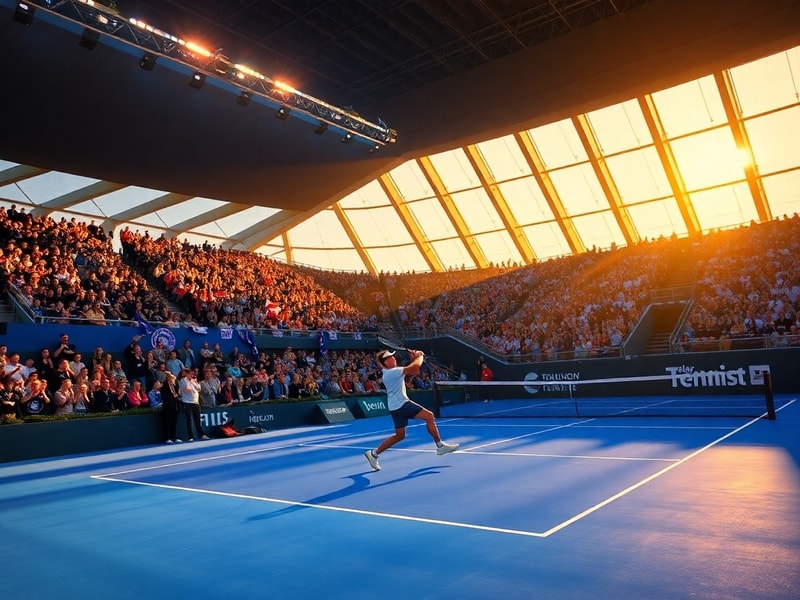
The Berlin Tennis Open 2026 is already shaping up to be one of the most anticipated events on the tennis calendar, with organizers confirming a revamped format and expanded fan engagement initiatives. Set against the backdrop of Berlin’s historic Olympiapark, the tournament promises to blend tradition with innovation, drawing top-ranked players and rising stars alike. With prize money increases and a new night-session format, the event is positioning itself as a must-watch spectacle for tennis enthusiasts worldwide.
Tournament Format and Key Innovations
For 2026, the Berlin Tennis Open has introduced several groundbreaking changes to enhance competitiveness and spectator experience. The tournament now spans twelve days, with the main draw kicking off on the first Monday of June. Qualifying rounds have been extended to a full five days, allowing more players—including wildcards from lower-ranked tours—to earn their place in the spotlight.
Perhaps the most talked-about adjustment is the introduction of a night-session schedule on select evenings. Starting from the quarterfinals, matches will be played under floodlights beginning at 8:00 PM local time. This move aims to attract evening crowds, a demographic that has grown increasingly important for major sporting events. Organizers have also partnered with local transit authorities to extend U-Bahn and S-Bahn services until midnight on key nights, ensuring accessibility for late-night attendees.
In addition, the 2026 edition will feature a mixed-gender doubles exhibition during the opening weekend, a nod to Berlin’s progressive stance on gender equality in sports. This exhibition match, featuring retired legends and current top doubles players, will be broadcast live on Dave’s Locker Sports and is expected to draw significant attention.
Expanded Draw Sizes and Wildcard Policy
The tournament has increased its singles main draw from 32 to 48 players, creating more opportunities for ATP and WTA athletes to compete. Wildcards will be allocated as follows:
- Four to German players (two men, two women)
- Two to players from developing tennis nations
- Two to former champions of the Berlin Open
- One to a player nominated by fans via an online vote
This format ensures a balance of local pride, international representation, and fan involvement—key pillars in modern tennis governance.
Star Power and Title Contenders
While the full field won’t be announced until late April, early indicators suggest the Berlin Open 2026 will host a deep and diverse lineup. Top seed Carlos Alcaraz is expected to return after a strong clay-court season, aiming to defend his title and bolster his world ranking. His rivalry with Jannik Sinner—who skipped Berlin last year—has become the defining narrative of men’s tennis in 2025, and a potential semifinal clash would electrify the courts.
On the women’s side, Iga Świątek returns as the favorite, fresh off a dominant French Open victory in 2025. However, rising stars Coco Gauff and Aryna Sabalenka are likely to challenge her dominance, especially on Berlin’s fast-decaying grass courts. The WTA’s decision to award Berlin a Premier Mandatory status for 2026 has elevated its prestige, making it a crucial stop on the road to Wimbledon.
Beyond the rankings, the tournament has also invited legends such as Roger Federer and Serena Williams to participate in exhibition matches during the second week. While not part of the official draw, these matches are expected to draw global viewership and add a nostalgic layer to the event.
Broader Implications for Tennis and Fan Culture
The Berlin Tennis Open 2026 isn’t just another stop on the tour—it’s a strategic experiment in how tennis can evolve to meet modern expectations. By extending the tournament duration and introducing night sessions, the ATP and WTA are testing whether traditional tennis audiences are willing to adapt their schedules. Early feedback from fan surveys suggests strong interest, particularly among younger demographics who prioritize event accessibility and social media engagement.
Moreover, the tournament’s commitment to sustainability has set a new benchmark. All courts will be constructed using recycled materials, and single-use plastics will be banned across the venue. Solar-powered lighting and water refill stations are being installed, aligning with Berlin’s broader environmental goals. This eco-conscious approach may influence future tournaments, especially in Europe, where climate action is a growing priority.
The introduction of a fan-voted wildcard also marks a shift toward greater democratization in tennis governance. While critics argue that such systems can be gamed or influenced by popularity rather than merit, proponents believe it fosters deeper emotional connections between players and audiences. This trend mirrors similar initiatives in football and esports, where fan involvement is increasingly integral to event narratives.
What Fans Can Expect Beyond the Courts
Beyond the tennis, the Berlin Open 2026 is positioning itself as a multi-day festival of sport and culture. The Olympiapark campus will host live music stages featuring German electronic acts and international pop stars. There will also be interactive fan zones with VR tennis simulations, AI-powered stroke analysis, and meet-and-greets with former champions.
Food vendors are curating a global menu, with a dedicated “Vegan Court” offering plant-based gourmet options—a first for a major tennis event. Additionally, a pop-up tennis museum will showcase memorabilia from past Berlin Opens, including Rod Laver’s 1969 victory and Steffi Graf’s historic 1988 Golden Slam.
For those looking to stay connected, the tournament app will feature real-time stats, player interviews, and a live chat with former pros. The app’s integration with social platforms like Dave’s Locker Entertainment ensures that highlights and behind-the-scenes content reach fans instantly.
Ticketing and Travel Tips
Tickets go on sale in January 2026, with early-bird discounts available for groups and students. Organizers recommend booking accommodations early, as Berlin hotels fill up quickly during the event. The city’s public transport system is highly efficient, and the Olympiapark is accessible via multiple lines. Visitors are advised to download the BVG app for real-time transit updates.
The Berlin Tennis Open 2026 is more than a tournament—it’s a statement. It signals tennis’s willingness to innovate, engage new audiences, and embrace sustainability without losing sight of tradition. With a star-studded lineup, cutting-edge fan experiences, and a commitment to social responsibility, this event could redefine what a modern tennis tournament looks like. Whether you’re a die-hard fan or a casual observer, Berlin in June 2026 promises to deliver an unforgettable experience.