The rivalry between England and Scotland stretches back centuries, weaving together threads of history, sport, and culture into a tapestry that remains vibrant today. While both nations share the island of Great Britain, their distinct identities have fueled a competitive spirit that transcends mere geography. From the battlefields of Bannockburn to the football pitches of Hampden Park, the dynamic between these two neighbors tells a story of pride, tradition, and occasional friction.
The historical roots of the rivalry
The origins of the England-Scotland divide are deeply embedded in medieval conflict. The Wars of Scottish Independence in the late 13th and early 14th centuries solidified Scotland’s determination to maintain sovereignty against English encroachment. Key events like the Battle of Bannockburn in 1314, where Scottish forces under Robert the Bruce defeated a larger English army, remain defining moments in national memory. These historical tensions were not just military but political, shaping governance and identity for generations.
Centuries later, the Acts of Union in 1707 merged the two parliaments, creating the Kingdom of Great Britain. Yet even after political union, cultural and sporting rivalries persisted. The 19th and 20th centuries saw the rise of international sports as a new battleground, where national pride could be asserted without violence. Football, rugby, and cricket became arenas where England and Scotland measured themselves against each other, often with intense emotion.
Football: where passion meets pride
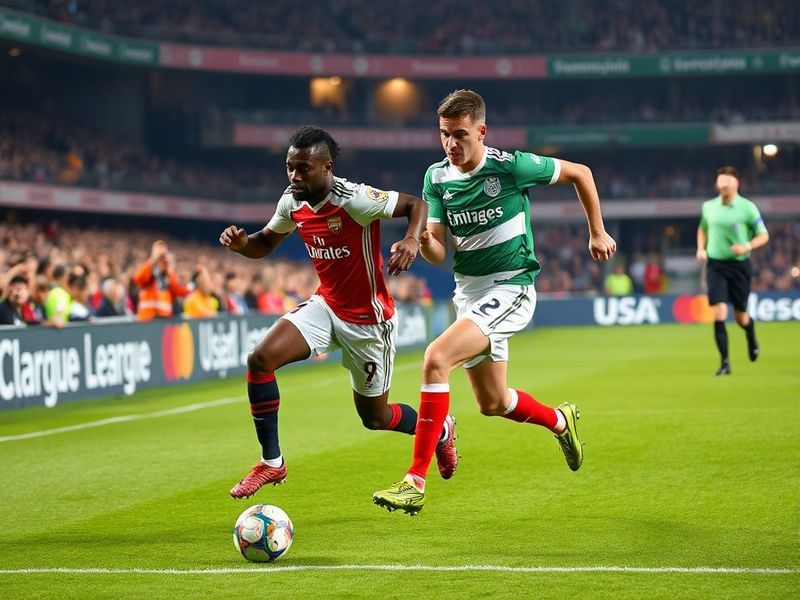
The football rivalry between England and Scotland is one of the oldest in the world, predating even the FIFA World Cup. The first official international match took place in 1872 at the West of Scotland Cricket Ground in Partick, Glasgow. That goalless draw set the stage for over 150 years of competitive football, marked by drama, controversy, and unforgettable moments.
In the early 20th century, the annual British Home Championship served as the unofficial “mini-tournament” between the four Home Nations. England and Scotland often battled for supremacy, with matches drawing massive crowds and intense media attention. The 1967 clash at Wembley, where Scotland defeated England 3–2, remains legendary—a symbolic victory for Scottish football that silenced English critics.
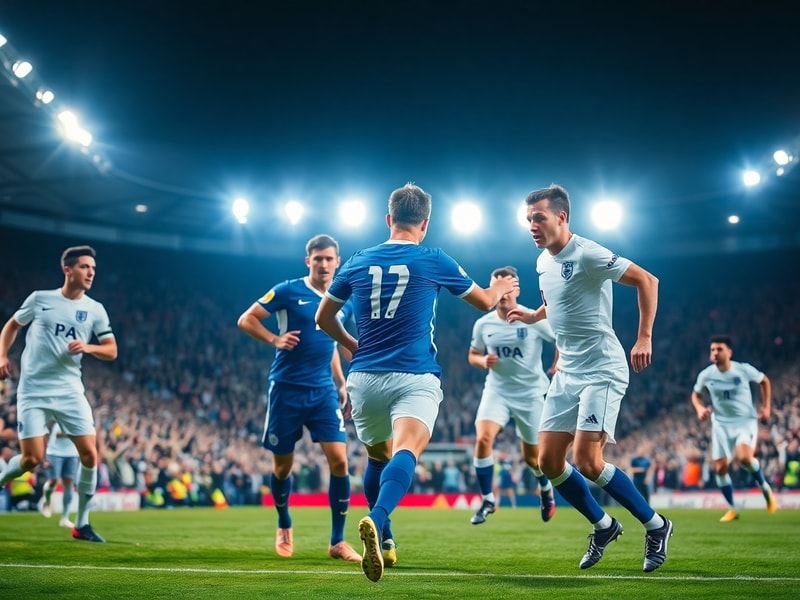
While the British Home Championship was discontinued in 1984, the rivalry never faded. In major tournaments, England and Scotland rarely meet due to seeding and group draws, but when they do, the stakes feel personal. The last competitive meeting came at UEFA Euro 2020, where England edged out Scotland 3–1 on penalties after a tense 0–0 draw, sparking celebrations in London and disappointment in Glasgow.
Off the pitch, the rivalry extends to club football. Scottish clubs like Celtic and Rangers have long competed in European competitions, challenging England’s dominance in the UEFA Champions League. The presence of Scottish players in the English Premier League—such as Andy Robertson at Liverpool or Scott McTominay at Manchester United—keeps the connection alive, even as club loyalties often override national pride.
Rugby and cricket: the quieter contests
While football dominates the headlines, rugby union and cricket offer more nuanced expressions of the rivalry. In rugby, the annual Six Nations Championship brings England and Scotland together every spring. Matches are fiercely contested, with Scotland often punching above their weight. The 2024 Calcutta Cup victory, where Scotland beat England 30–21 at Murrayfield, was hailed as a statement of intent and a break from England’s recent dominance.
Cricket, too, has its own history. The two teams compete in the Ashes series, traditionally held in England and Australia, but bilateral tests between England and Scotland have occasionally taken place. Their first full One Day International in 2018 drew attention as Scotland sought to prove their growing stature in the sport. While England remains the stronger side, Scotland’s rise in associate nations cricket has added new layers to their rivalry.
These sports may not command the same global spotlight as football, but they reflect a quieter, deeply rooted competition—one where pride is measured in inches, not headlines.
Cultural and political tensions today
Beyond sport, the relationship between England and Scotland continues to evolve in complex ways. The 2014 Scottish independence referendum reignited debates about national identity and sovereignty. While 55% of Scots voted to remain in the United Kingdom, the campaign revealed deep divisions and passionate arguments on both sides. England, as the larger partner, often found itself portrayed as the antagonist in the narrative—whether in political cartoons or social media debates.
Cultural expression also reflects this divide. Scottish literature, music, and film—think of Irvine Welsh’s Trainspotting or the global success of Trainspotting’s film adaptation—often explore themes of resistance, working-class grit, and defiance against central authority. Meanwhile, England’s cultural output, from the Beatles to the BBC, carries a different kind of influence—global, commercial, and often more dominant in the marketplace.
Yet there is also deep mutual respect. Scotland has produced world-leading scientists, artists, and thinkers who have shaped British—and global—culture. England, in turn, has long relied on Scottish talent in fields from medicine to engineering. The BBC, for instance, employs thousands of people across both nations, producing content that reflects the best of both cultures.
Tourism is another area of cooperation and competition. Cities like Edinburgh and Glasgow draw millions of visitors each year, offering historic charm and vibrant nightlife. Meanwhile, London remains a magnet for Scots seeking careers, education, or cultural experiences. The flow of people between the two nations is constant, reinforcing social and economic ties even as political debates continue.
What the future holds
The future of the England-Scotland relationship will likely be shaped by three key factors: politics, sport, and demographics. As Scotland reconsiders its place within the UK—with another independence referendum possible in the coming years—the dynamic with England will remain fluid. A breakup of the union would transform the rivalry into something entirely new, with implications for trade, travel, and identity.
In sport, the rise of smaller nations in football and rugby could lead to more frequent and competitive fixtures. A return to a regular England vs. Scotland tournament—perhaps in a revised Home Nations format—would give fans what they crave: meaningful, high-stakes matches that cut across generations.
Demographically, Scotland’s aging population and England’s growth present challenges and opportunities. While some Scots move south for work, others return, bringing new perspectives. The cultural exchange remains essential to maintaining a sense of shared history, even amid rivalry.
One thing is certain: the spirit of competition will endure. Whether on a football pitch, in a rugby scrum, or in a parliamentary debate, England and Scotland will continue to measure themselves against each other. That tension is not a weakness—it is a source of strength, a reminder that identity is not singular, but layered and evolving.
In the end, the rivalry is less about division and more about definition. Each nation helps the other understand what it means to be British—and what it means to be independent. That duality is what makes the story of England and Scotland so compelling, so enduring, and so worth telling.