Understanding Turkey: A Nation at the Crossroads of History and Modernity
Turkey sits at the crossroads of Europe and Asia, a bridge between continents both geographically and culturally. The country’s strategic location has shaped its complex identity, blending Ottoman heritage with modern global ambitions. From Ankara’s political pulse to Istanbul’s bustling bazaars, Turkey remains a nation in constant evolution, balancing tradition with rapid modernization.
Historical Foundations and Modern Identity
Turkey’s roots stretch back millennia, from the ancient Hittites to the Byzantine Empire and the rise of the Ottoman Turks. The republic, founded in 1923 under Mustafa Kemal Atatürk, marked a deliberate break from the Ottoman past, embracing secularism and Western-style governance. Yet, this transformation was never seamless. The late 20th century saw political instability, military coups, and economic crises, each leaving scars on the nation’s psyche.
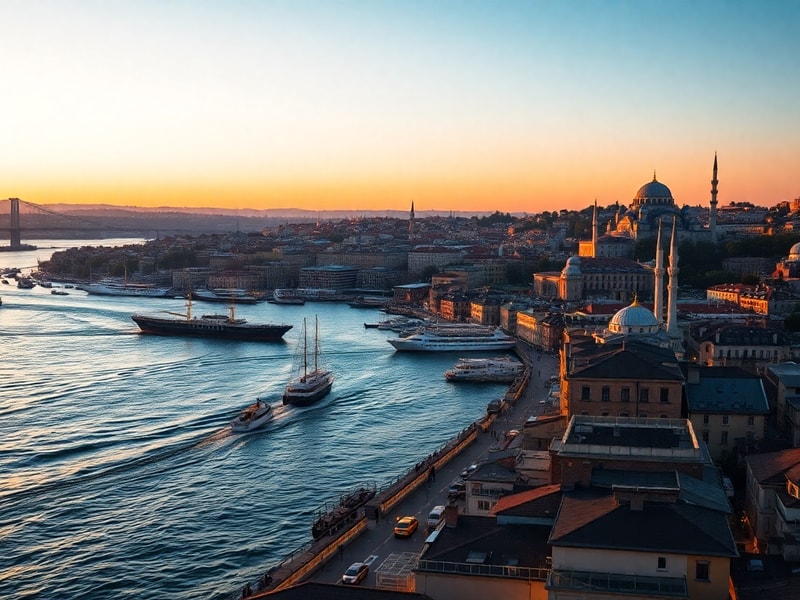
Today, Turkey’s identity is a patchwork of influences. The call to prayer echoes over Istanbul’s skyline, while skyscrapers in the city’s financial district reflect its embrace of globalization. The government’s push for infrastructure projects, like the Istanbul Canal, underscores its ambition to position Turkey as a regional power. Yet, these efforts also spark debate about environmental impact and cultural preservation.
Religion and secularism remain contentious. While Atatürk’s reforms sought to separate mosque and state, recent years have seen a resurgence of religious influence in public life. This tension plays out in debates over education, dress codes, and freedom of expression. The 2023 elections, which saw President Recep Tayyip Erdoğan secure another term, highlighted the nation’s deep political divides.
Understanding Turkey requires acknowledging this duality—a country that looks both east and west, clinging to tradition while racing toward the future.
Economic Challenges and Geopolitical Ambitions
Turkey’s economy is a study in contrasts. On one hand, it boasts a young, dynamic workforce and a diversified industrial base. Istanbul alone hosts the headquarters of major Turkish conglomerates, from automotive to textiles. On the other, the country grapples with inflation that reached over 85% in 2022, currency devaluation, and a widening current account deficit.
The government’s response has been unconventional. Erdoğan’s unorthodox economic policies—prioritizing low interest rates despite soaring inflation—have drawn criticism from global financial institutions. Yet, these measures also reflect a broader strategy: leveraging Turkey’s strategic value to attract investment and trade partnerships.
Geopolitically, Turkey punches above its weight. It’s a NATO member with a foot in both the Western alliance and the Middle East. Its role in mediating conflicts, such as the Russia-Ukraine war, has burnished its image as an indispensable mediator. Meanwhile, its military interventions in Syria and Libya underscore its willingness to project power beyond its borders.
Trade is another battleground. Turkey’s customs union with the EU has long facilitated commerce, but recent tensions—over migration, human rights, and Cyprus—have strained relations. At the same time, Turkey is expanding ties with Africa, Latin America, and post-Soviet states, seeking to reduce reliance on Western markets.
The economic and geopolitical stakes are high. Turkey’s choices in the coming years will determine whether it becomes a stable hub for trade and investment or remains mired in instability.
Cultural Renaissance and Global Influence
Turkey’s cultural footprint extends far beyond its borders. Turkish dramas, like Erkenci Kuş and Diriliş: Ertuğrul, have captivated audiences across the Middle East, South America, and Europe, earning the nickname “Turkish Netflix.” These shows often blend historical narratives with modern themes, offering a sanitized yet compelling vision of Ottoman grandeur.
Cuisine is another ambassador. Turkish food has gone global, with kebabs, baklava, and Turkish delight popping up in cities worldwide. Istanbul’s culinary scene, meanwhile, has evolved into a gourmet destination, where chefs blend tradition with avant-garde techniques. The city’s street food culture—döner kebabs, simit, and balık ekmek—remains a testament to its vibrant, accessible food culture.
Music and literature also thrive. From the haunting melodies of Turkish classical music to the rebellious lyrics of modern rappers like Ezhel, the country’s artistic scene is diverse. Istanbul’s book fairs attract international authors, while its underground music venues foster emerging talent. Yet, censorship and political pressure occasionally cast a shadow over creative expression.
Turkey’s diaspora adds another layer to its cultural influence. Millions of Turks live in Germany, France, and the Netherlands, shaping those nations’ social landscapes. These communities often act as bridges, fostering dialogue while navigating complex identities.
The question remains: Can Turkey’s cultural exports transcend political divisions and become a unifying force, or will they remain tied to the nation’s shifting ideological currents?
Looking Ahead: What’s Next for Turkey?
The road ahead for Turkey is fraught with challenges and opportunities. Domestically, the government must address economic instability, political polarization, and social inequalities. The youth, in particular, face high unemployment rates and a sense of disillusionment with traditional politics.
Externally, Turkey’s relationships with the West, Russia, and its neighbors will define its future. The country’s NATO membership is under scrutiny, especially as Erdoğan’s government pursues closer ties with Moscow. Meanwhile, Turkey’s role in regional conflicts—from Syria to Nagorno-Karabakh—will continue to shape its global standing.
One thing is clear: Turkey’s resilience is undeniable. It has weathered economic crises, political upheavals, and social transformations, emerging each time with a renewed sense of purpose. The question is whether it can channel that resilience into sustainable growth and stability.
For observers, Turkey offers a masterclass in navigating contradictions. It is a nation that refuses to be confined by labels—neither fully European nor entirely Middle Eastern, neither strictly secular nor wholly religious. In a world of rigid borders and polarized identities, Turkey’s ability to embrace fluidity may well be its greatest strength.
As the country moves forward, its choices will resonate far beyond its borders, influencing trade, culture, and geopolitics in ways that are still unfolding.
- Trending – Stay updated on Turkey’s latest cultural and political shifts.
- Analysis – Deep dives into Turkey’s economic and geopolitical strategies.
Turkey’s story is far from over. Whether it becomes a model of dynamic modernity or a cautionary tale of unchecked ambition, one thing is certain: the world will be watching.