NBA Draft 2024: How It Works, Top Prospects, and Future Impact
The NBA Draft has long been a pivotal moment in professional basketball, serving as both a career-defining event for young athletes and a strategic chess move for franchises. Held annually in late June, the draft offers teams the chance to select the most promising collegiate and international prospects, reshaping their rosters for years to come. For players, it represents the culmination of years of hard work, often turning dreams of NBA stardom into reality—or dashed hopes into the pursuit of alternative paths.
This year’s draft, however, carries additional weight. With the league’s competitive balance in flux and young stars redefining player empowerment, the decisions made in the draft room could influence the NBA’s landscape for the next decade. Teams are under pressure to either secure franchise cornerstones or leverage picks for immediate impact. Meanwhile, prospects face unprecedented scrutiny, with the rise of social media and advanced analytics shaping how they’re evaluated.
How the NBA Draft Works: A Step-by-Step Breakdown
The NBA Draft follows a structured process designed to ensure fairness and competitiveness. It consists of two main rounds, with 30 picks in each, allocated based on the previous season’s standings. The team with the worst record gets the first pick, though the NBA’s lottery system introduces an element of unpredictability to prevent tanking.
The draft begins with a lottery where the top four picks are determined through a random draw involving the 14 non-playoff teams. The remaining first-round picks are then assigned in reverse order of regular-season records. Second-round picks are distributed similarly, though without a lottery. Teams can trade draft rights, often using picks as currency to move up or down the board—or to consolidate assets for a star player.
For prospects, the journey to draft night is grueling. The NBA requires international players to be at least 19 years old during the calendar year of the draft and one year removed from high school graduation. American prospects typically play one year in college or spend time in the G League Ignite or overseas before declaring for the draft. The NBA’s draft combine, held in May, provides a final opportunity for players to showcase their skills through drills and measurements before teams make their final evaluations.
Key Dates and Deadlines
Understanding the timeline is crucial for teams and prospects alike. Here are the essential dates leading up to the draft:
- April: NCAA players must declare for the draft or maintain college eligibility by the NCAA’s deadline, typically in mid-April.
- May: The NBA Draft Combine takes place, featuring physical measurements, on-court drills, and interviews with teams.
- June 13: The withdrawal deadline for international prospects who declared early.
- June 26-28: The NBA Draft takes place at Barclays Center in Brooklyn, with rounds held over three days.
The draft’s timing aligns with the NBA’s free-agency period, creating a domino effect where teams must balance immediate needs with long-term planning. A strong draft can provide cost-controlled talent, while a misstep can set a franchise back years.
Top Prospects and Draft Night Dynamics
Every draft features a mix of consensus top picks and late-round gems. This year, the conversation is dominated by a generational talent at the center position, a sharpshooting forward with All-NBA upside, and a point guard whose playmaking could redefine modern basketball. Scouts and executives are divided, however, on which prospect best fits the evolving NBA—and which will thrive in the league’s increasingly positionless era.
Teams with high lottery picks face a dilemma: Do they prioritize upside, selecting the player with the highest ceiling, or do they target the most NBA-ready prospect? The analytics revolution has shifted some teams’ focus toward players who excel in specific statistical categories, even if their traditional scouting reports are mixed. For example, a player with elite three-point shooting but limited defensive versatility might be a top-10 pick in today’s league, whereas a decade ago, they might have slipped to the second round.
The draft’s unpredictability extends beyond the court. Trades often steal the spotlight, with teams moving up to secure a franchise player or packaging picks to acquire a proven star. The 2023 draft saw multiple blockbuster trades, including a deal that sent multiple first-round picks to a team aggressively pursuing a superstar. Such maneuvers highlight how the draft is no longer just about drafting talent—it’s about leveraging assets in a high-stakes game of chess.
International Prospects Making Waves
Global talent has never been more influential in the NBA. This year, prospects from Europe, Australia, and Africa are generating significant buzz. One European big man, standing at 7’2” with a 7’6” wingspan, has drawn comparisons to past legends for his defensive mobility and shot-blocking prowess. Meanwhile, an Australian guard is turning heads with his ability to create off the dribble and his basketball IQ, traits that have made him a top-15 projection.
International prospects often bring a unique skill set that contrasts with the traditional American style of play. Their development is closely monitored by teams seeking to diversify their rosters and tap into untapped markets. The NBA’s global expansion has made these players not just potential stars, but also valuable assets for teams looking to grow their international fanbase.
The Broader Implications: What the Draft Means for the NBA
The NBA Draft is more than just a talent acquisition event—it’s a reflection of the league’s shifting priorities. The modern NBA values versatility, shooting, and switchable defense, traits that are increasingly prioritized in the draft room. Teams are less willing to take risks on players who don’t fit the mold, even if they possess elite athleticism or raw potential. This has led to a decline in the number of traditional big men being selected early, as the league evolves toward a faster, more positionally fluid style of play.
For small-market teams, the draft is a lifeline. Landing a franchise-changing talent can transform a franchise from also-ran to contender overnight. The Oklahoma City Thunder’s rebuild, built largely on draft-day acquisitions, serves as a blueprint for how savvy teams can leverage the draft to build sustainable success. Conversely, teams that miss on high lottery picks often find themselves stuck in a cycle of mediocrity, forced to overhaul their rosters through free agency—a costly and uncertain endeavor.
The draft also plays a critical role in the player empowerment movement. Top prospects now have more agency than ever, often dictating where they’re willing to be drafted through workout agreements and public statements. This shift has forced teams to reconsider their approaches to player relations, emphasizing transparency and player development to attract top talent.
Financial and Strategic Considerations
The financial stakes of the draft are enormous. The NBA’s salary cap and collective bargaining agreement limit how much teams can spend on rookie contracts, but the long-term savings from drafting well can be substantial. A top-10 pick, for example, is signed to a rookie-scale contract that averages around $5 million per year, far below the market value of a veteran star. This cost efficiency allows teams to build competitive rosters without overspending in free agency.
Strategically, the draft is a tool for teams to balance short-term needs with long-term planning. A team in win-now mode might trade future picks for a proven All-Star, while a rebuilding squad could accumulate picks to stockpile talent. The Houston Rockets’ rebuild under Daryl Morey exemplified this approach, using a series of draft-day trades to acquire assets before landing franchise cornerstones like James Harden and later Jalen Green.
For players, the draft represents both opportunity and pressure. The NBA’s one-and-done rule, though controversial, has created a system where prospects must perform at the highest level immediately. The pressure to succeed can be immense, with careers hinging on a single night’s performance. Yet for those who thrive, the rewards—lucrative contracts, endorsement deals, and global fame—are unparalleled.
What’s Next: Evaluating Draft Night and Beyond
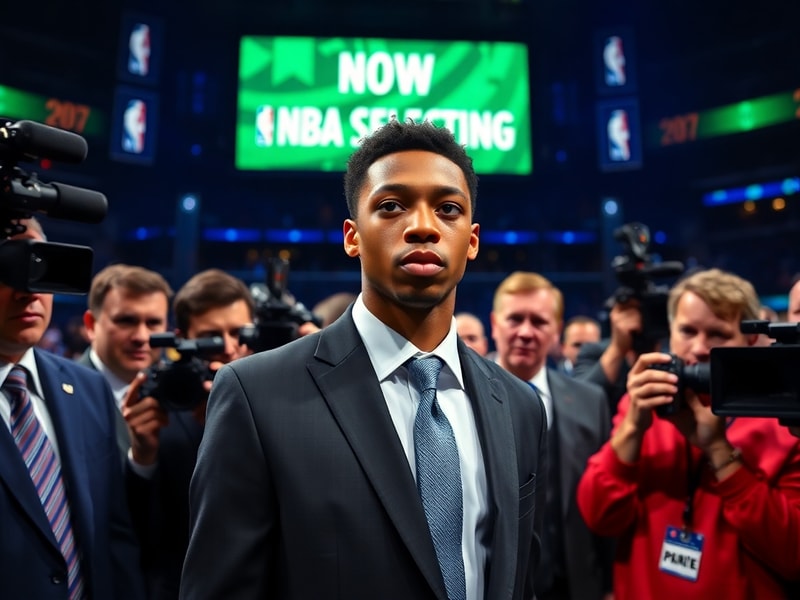
Draft night itself is a spectacle, broadcast globally and dissected by analysts for weeks. The first 14 picks are the most scrutinized, as they set the tone for the league’s next generation. Yet history has shown that not all top picks pan out. The draft is as much about luck as it is about skill, with injuries, poor fit, and unforeseen circumstances derailing even the most promising careers.
For teams, the real work begins after the draft. Developing young talent, managing egos, and integrating rookies into a cohesive unit are challenges that separate contenders from pretenders. The San Antonio Spurs’ success with Tim Duncan, Tony Parker, and Manu Ginóbili underscores how a well-executed draft strategy can yield decades of dominance. On the flip side, the Cleveland Cavaliers’ infamous “LeBron James draft” missteps serve as a cautionary tale about the dangers of misjudging talent.
As the NBA continues to evolve, the draft will remain a cornerstone of its future. The league’s embrace of analytics, global markets, and player empowerment has transformed how teams approach the event. For fans, the draft is a source of hope, a chance to dream of the next superstar rising from obscurity. For franchises, it’s a high-stakes gamble with the potential to redefine their legacy.
In the end, the NBA Draft is more than a transaction—it’s a narrative. It’s the story of underdogs defying the odds, of franchises rising from the ashes, and of careers launched or derailed in an instant. As we look ahead to the next chapter of the NBA, one thing is certain: the drama of draft night will continue to captivate audiences, shape legacies, and define the future of basketball.