Paris Weather: What to Expect Each Season in the City of Light
Paris weather is a study in contrasts, shifting between crisp European winters and sun-drenched summers in a way that keeps both locals and visitors on their toes. The city’s climate is defined by its location in northern France, where the influence of the Atlantic Ocean and the European mainland create a dynamic mix of maritime and continental conditions. Spring often arrives with hesitant warmth, while autumn can linger with surprising gentleness, making each season feel distinct yet unpredictable. Whether you’re planning a trip or simply tracking the city’s mood, understanding Paris weather means recognizing that its beauty lies in its variability.
Why Paris Weather Resists Easy Predictions
Paris doesn’t conform to a single climate type. Instead, it sits in a transitional zone where Atlantic winds battle continental air masses, creating a weather pattern that defies simple forecasting. Winters are generally mild compared to much of Europe, with average daytime temperatures hovering around 7°C (45°F), but cold snaps can plunge below freezing. Summers, by contrast, often bring warmth without the oppressive humidity found in southern France, though heatwaves are becoming more frequent. The city’s urban heat island effect also plays a role, keeping nights warmer than in surrounding rural areas.
Rain is an ever-present companion in Paris, with precipitation spread evenly throughout the year. The wettest months are May and December, while summer often features brief but intense thunderstorms. This unpredictability means that even in July, a sudden downpour can disrupt an afternoon stroll along the Seine. For travelers, this underscores the importance of packing layers and a compact umbrella—no matter the season.
Seasonal Highlights: What to Expect When
Spring in Paris is a slow awakening. March can feel like winter’s stubborn last gasp, with temperatures struggling to climb above 10°C (50°F), but by April, the city begins to thaw. Cherry blossoms and tulips bloom in public gardens, and daylight stretches longer, encouraging outdoor exploration. However, spring is also when Paris sees some of its heaviest rainfall, so waterproof footwear becomes essential. May is often the most pleasant month, with temperatures averaging 18°C (64°F) and fewer crowds before the summer rush.
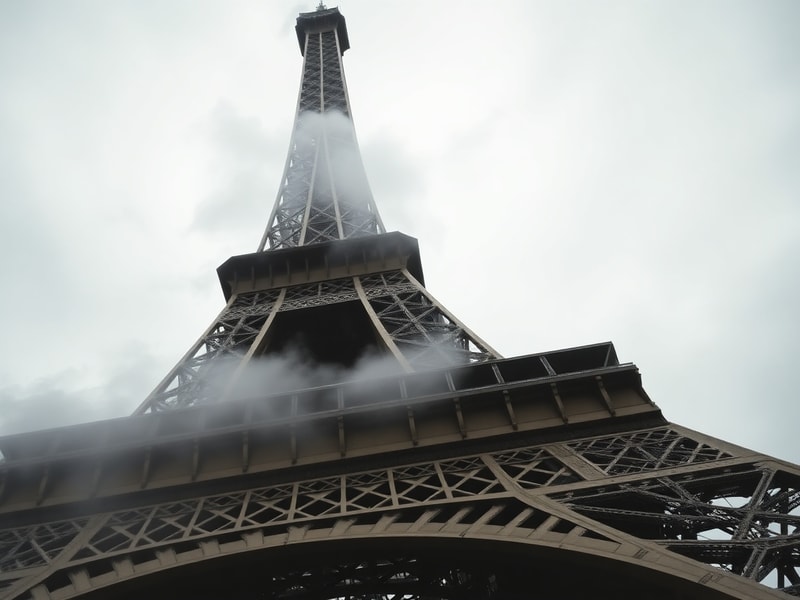
Summer transforms Paris into a sunlit stage, but the season comes with its own challenges. July and August are the warmest months, with highs around 25°C (77°F), though heatwaves can push temperatures into the 30s°C (86-95°F). The city’s architecture, with its narrow streets and limited green spaces, can make it feel even hotter. Tourists flock to the Eiffel Tower, the Louvre, and the banks of the Seine, but shoulder-season visits in June or September offer a more relaxed experience with milder weather and fewer lines.
Autumn arrives with a sense of quiet elegance. September still carries the warmth of summer, but by October, the air turns crisp, and the city’s parks become a patchwork of gold and crimson. Rain increases again, particularly in November, which is often the gloomiest month. Yet, this is also when Paris shines in a different way—cozy cafés, wine bars, and fewer tourists create an intimate atmosphere. Winter, meanwhile, is a season of contrasts. December brings festive lights and holiday markets, but January and February can feel stark, with shorter days and occasional frost. Snow is rare but memorable when it occurs, dusting landmarks like Notre-Dame in a fleeting, magical layer.
How Parisians—and Visitors—Adapt to the Weather
The city’s infrastructure is designed to handle its climate quirks. Metro stations, for instance, are often deep underground, offering refuge from summer heat or winter chill. Cafés spill onto sidewalks in warmer months, while in colder weather, heated seating areas with transparent covers become popular. Parisians are masters of layering, swapping light jackets for scarves and back again within the same day. This adaptability is a lesson for visitors, who should prioritize versatility in their wardrobes.
For those planning extended stays, the city’s microclimates are worth noting. Areas near the Bois de Boulogne and Bois de Vincennes tend to be cooler and greener, while the urban core retains more heat. The Marais district, with its narrow streets, can feel stifling in summer but offers cozy alleys in winter. Meanwhile, the 13th arrondissement’s modern architecture and open spaces provide a refreshing contrast on hot days. Understanding these nuances can help visitors choose the best base for their stay—whether they’re seeking shade, sun, or a balance of both.
Weather also shapes Parisian culture in subtle ways. The city’s love for outdoor markets, from Marché d’Aligre to Rue Mouffetard, is a testament to its mild climate. Even in winter, Parisians gather at heated terraces or indoor markets like La Grande Épicerie to socialize. Festivals, too, are timed to the seasons—Fête des Lumières in December celebrates the year’s shortest days, while Bastille Day fireworks in July take advantage of the long summer evenings. These traditions highlight how deeply weather is woven into the city’s identity.
Tips for Navigating Paris Weather Like a Pro
If you’re visiting Paris, timing can make or break your experience. The sweet spot for most travelers is late spring (May-June) or early autumn (September-October), when temperatures are comfortable, crowds are thinner, and rain is less frequent. Avoid July and August if you dislike heat and crowds, and steer clear of November if you’re sensitive to gray skies and drizzle. For those who don’t mind the cold, winter offers its own rewards—fewer tourists, lower prices, and a city that feels more local than touristy.
Here’s a quick checklist to prepare for Paris weather:
- Spring: Pack a lightweight waterproof jacket, layers, and comfortable walking shoes. A compact umbrella is a must.
- Summer: Bring breathable fabrics, a sun hat, and sunscreen. Stay hydrated and seek out air-conditioned spaces during heatwaves.
- Autumn: Opt for a warm coat, gloves, and waterproof footwear. Layering is key as temperatures fluctuate.
- Winter: Insulated boots, a thick scarf, and thermal layers will keep you warm during chilly days and frosty nights.
For real-time updates, bookmark the Travel section on Dave’s Locker, where you’ll find curated guides on navigating seasonal challenges in Paris and beyond. Whether you’re chasing cherry blossoms or Christmas lights, planning ahead ensures your trip aligns with the city’s ever-changing rhythm.
Paris weather may never be entirely predictable, but that’s part of its charm. It’s a city that demands flexibility, rewards curiosity, and offers something new with every season. From the first tentative blooms of spring to the golden hues of autumn, each shift in the weather reveals a different facet of Paris—one that locals cherish and visitors dream of experiencing. So pack wisely, embrace the surprises, and let the city’s climate guide you through its timeless allure.