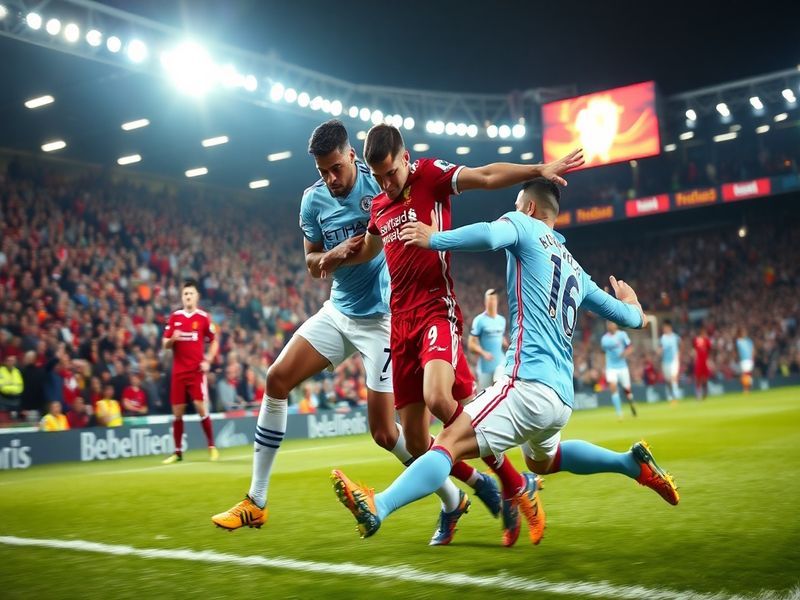
Spain’s football identity has long been defined by a rare blend of technical brilliance, tactical innovation, and an almost poetic rhythm on the pitch. From the rise of La Masia graduates to the dominance of tiki-taka, La Roja has repeatedly rewritten the narrative of modern football. Yet their story is far from a single-genre tale. It’s one of reinvention, resilience, and a relentless pursuit of perfection that has left an indelible mark on the global game.
From Cruyff to Guardiola: The Birth of a Philosophy
No discussion of Spanish football begins—or should begin—without acknowledging Johan Cruyff. The Dutch legend didn’t just play for Barcelona; he reshaped the club’s DNA when he arrived in 1973. His vision of total football, rooted in positional play and fluid movement, laid the groundwork for what would become known as tiki-taka. But it was under Pep Guardiola, a Cruyff disciple, that this philosophy reached its zenith.
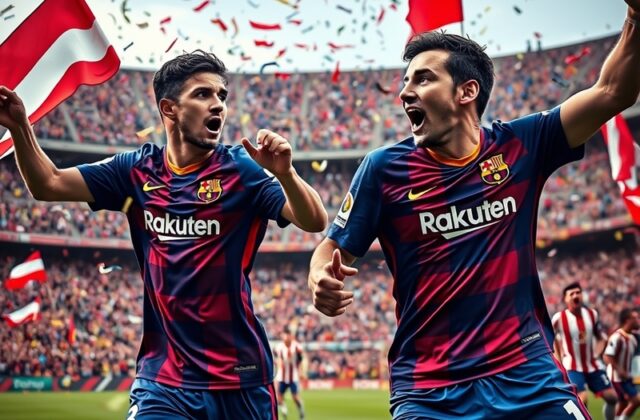
Guardiola’s Barcelona side of 2008–2012 didn’t merely win; they redefined winning. With players like Xavi, Iniesta, and Messi orchestrating attacks with surgical precision, they achieved a level of possession dominance and passing accuracy that bordered on statistical surrealism. In the 2010–11 season, they averaged 68% possession in La Liga and completed over 800 passes per game—figures that sound like a glitch in a simulation rather than real-world football. Their 5–0 demolition of Real Madrid in the 2010 Clásico remains one of the most symbolic moments in the club’s history, a statement that control equals dominance.
The Golden Era of La Roja: Three Major Titles in Six Years
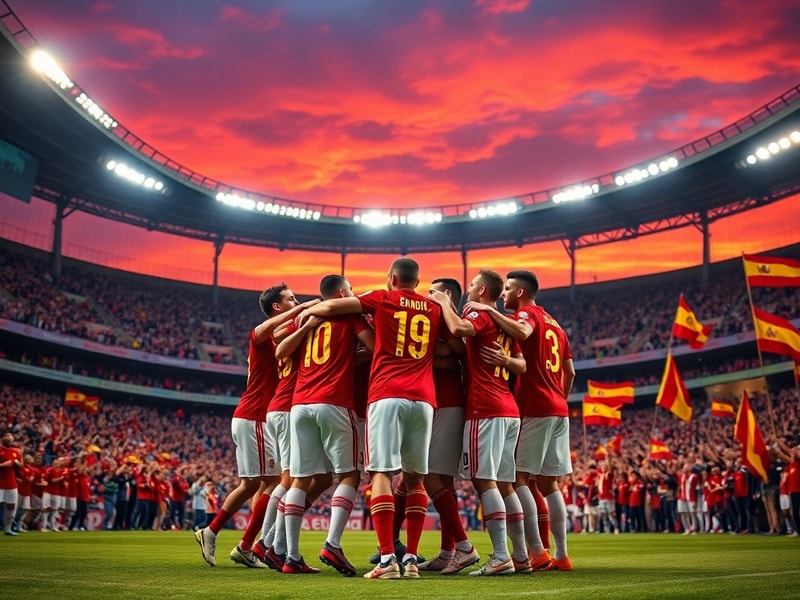
Spain’s national team mirrored Barcelona’s club success with an unprecedented run of dominance. From 2008 to 2012, La Roja captured three major international trophies: Euro 2008, the 2010 FIFA World Cup, and Euro 2012. This era wasn’t just about winning; it was about asserting a new footballing doctrine. Their 2010 World Cup triumph in South Africa was particularly historic, as it marked Spain’s first-ever World Cup victory and the first time a European nation won the tournament outside of Europe.
The core of that team—Xavi, Iniesta, Casillas, Villa, and Puyol—formed the backbone of a side that played with hypnotic consistency. Their 4–0 demolition of Italy in the Euro 2012 final, where they completed over 1,000 passes, became a masterclass in how football could be played with both elegance and efficiency. Spain’s reign ended not with a whimper but with a tactical reckoning; opponents had adapted, pressing higher and disrupting their rhythm. Still, the legacy of those years endures in how football is coached and conceived today.
La Liga’s Global Stage: Showcasing Talent and Style
Spanish football’s influence extends beyond trophies and tactics; it’s a global showcase for raw talent. La Liga has long been a magnet for the world’s best players, from Alfredo Di Stéfano and Johan Cruyff to Cristiano Ronaldo and Lionel Messi. Today, clubs like Real Madrid and Barcelona continue to set the standard for both sporting and commercial success. Real Madrid, with their Galácticos policy, turned football into a spectacle of star power, while Barcelona’s commitment to youth development through La Masia has produced a conveyor belt of world-class talent.
Consider Ansu Fati, Pedri, or Gavi—products of La Masia who debuted for Barcelona as teenagers and now lead the club’s resurgence. Their style reflects the same values that defined the golden era: technical skill, spatial awareness, and an intuitive understanding of the game. Even clubs outside the traditional powerhouses, like Atlético Madrid under Diego Simeone, have thrived by blending Spanish pragmatism with a winning mentality, proving that La Liga is more than just a league—it’s a laboratory of footballing evolution.
The Challenges of Modern Spanish Football
Yet beneath the glittering surface, Spanish football faces real challenges. Financial disparities between clubs have widened, with Barcelona and Real Madrid operating as financial behemoths while others struggle to compete. Barcelona’s recent financial crisis, which led to the sale of assets like Camp Nou naming rights, serves as a cautionary tale about the dangers of unsustainable spending. Meanwhile, clubs like Athletic Bilbao and Real Sociedad continue to punch above their weight by prioritizing local talent—a tradition that harks back to the early 20th century.
On the international stage, Spain’s national team has struggled to replicate its golden era success. After their 2012 Euro triumph, they failed to progress past the Round of 16 in the next three major tournaments. The retirement of core players like Sergio Busquets and Gerard Piqué has left a void that new talents like Rodri and Yamal are still filling. The 2024 European Championship in Germany offers a chance to rediscover their rhythm, but the road back to the top won’t be easy.
Tactical evolution is also a factor. While Spain’s possession-based model remains influential, younger coaches like Luis de la Fuente and Julen Lopetegui are experimenting with more direct styles and pressing systems. The question now is whether Spanish football can innovate without losing its soul—a soul built on technique, intelligence, and beauty.
What’s Next: The Future of Spanish Football
The future of Spanish football hinges on two critical pillars: infrastructure and identity. Clubs must balance financial sustainability with competitive ambition, ensuring that La Liga remains both a sporting spectacle and an economic model. The introduction of financial fair play regulations has helped curb excessive spending, but enforcement remains inconsistent. Meanwhile, the Spanish FA (RFEF) continues to invest in youth development, with academies like La Masia and the RFEF’s national training centers producing a steady stream of talent.
Tactically, Spain’s next generation must blend the best of tradition with modern innovation. Coaches like Mikel Arteta, a product of La Masia who now manages Arsenal, are bridging the gap between Spanish technique and English intensity. At the national team level, players like Pedri and Gavi represent the next evolution—technically gifted but also physically robust and tactically versatile.
The 2026 World Cup in the USA, Canada, and Mexico offers a pivotal opportunity. With a new crop of players and a coaching staff that understands the weight of history, Spain has the chance to reclaim its place among football’s elite. But success won’t come from nostalgia; it will come from adaptation, from finding new ways to make the old magic feel fresh.
Spanish football’s story is one of continuity and change—a balance of honoring the past while daring to invent the future. Whether through the technical poetry of La Liga or the triumphant marches of La Roja, Spain remains a beacon for what football can aspire to be: intelligent, beautiful, and relentlessly competitive. The journey is far from over, and the next chapter may well be the most exciting yet.