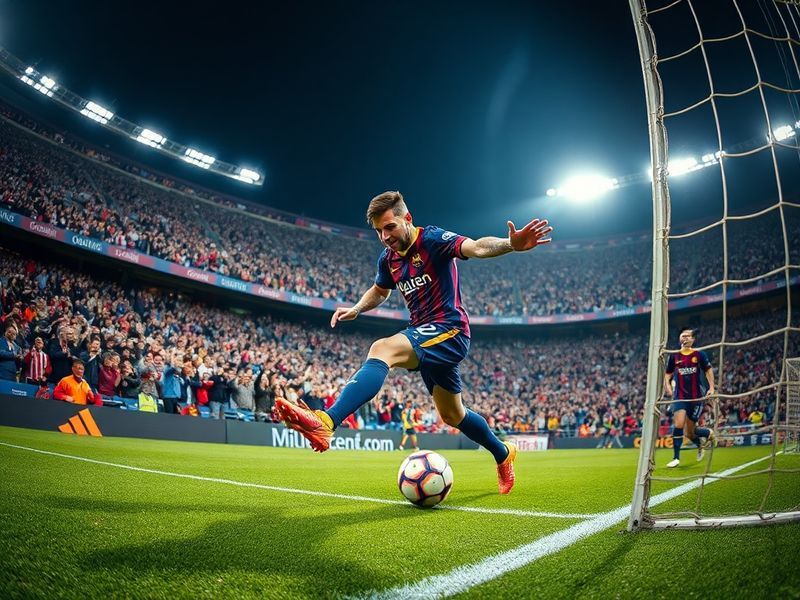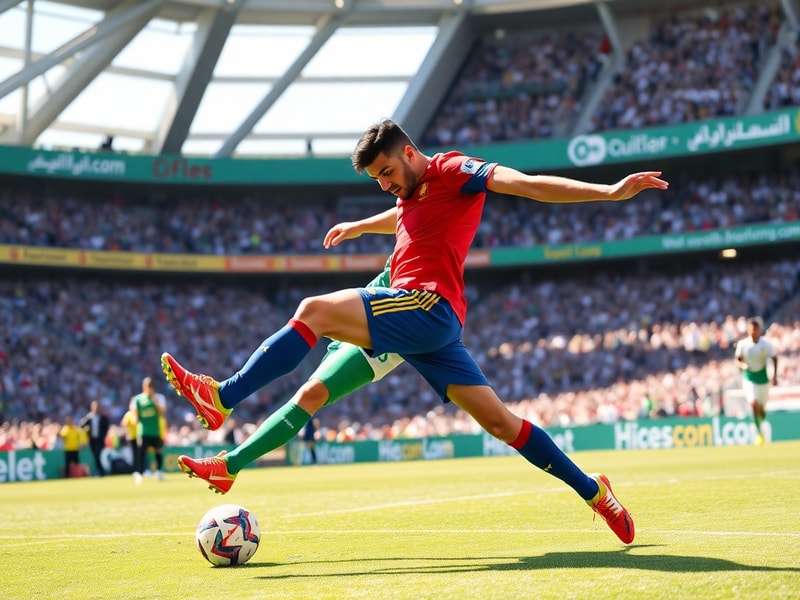
When Spain and Saudi Arabia stepped onto the pitch in the 2023 FIFA Club World Cup final, the clash wasn’t just about silverware. It was a collision of football philosophies, economic muscle, and global influence—one that played out in front of 70,000 fans in Rabat and millions more on screens worldwide. The match ended 5-3 in favor of Real Madrid, but the real story stretched far beyond the scoreline. This was a moment where the traditional European football powerhouse met the oil-fueled ambitions of a rising football power, revealing deeper trends in how the beautiful game is evolving across continents.
Football’s Shifting Centers of Gravity
Spain’s dominance in the match wasn’t just a result of superior tactics—it was a reflection of a football culture that has been refined over decades. La Liga, home to giants like Real Madrid and Barcelona, has long been considered the pinnacle of technical and tactical football. The Spanish style is built on possession, pressing, and positional play, concepts that have seeped into footballing education systems from Tokyo to Buenos Aires. Saudi Arabia’s approach, by contrast, was a blend of physicality and directness, a style often associated with emerging football nations that rely on athleticism and speed to compensate for tactical gaps.
The contrast highlighted a broader shift in global football. For years, the sport’s center of gravity was firmly in Europe, where clubs like Real Madrid and Barcelona not only won matches but shaped the very language of the game. Today, that dominance is being challenged—not just by Saudi clubs like Al-Hilal and Al-Nassr, which have spent hundreds of millions on global superstars, but by clubs in the United States, China, and the Middle East that are redefining what it means to compete at the highest level. The Club World Cup final was a microcosm of this transition: a clash between tradition and ambition, between the old guard and the new.
Economic Power Meets Footballing Legacy
The Saudi Pro League’s rise is impossible to separate from its financial firepower. Since the Public Investment Fund (PIF), Saudi Arabia’s sovereign wealth fund, began investing in football in 2021, the league has become a magnet for aging superstars and mid-career talents seeking lucrative contracts. Players like Karim Benzema, N’Golo Kanté, and Roberto Firmino have swapped European club football for the Saudi league, lured by contracts that dwarf their European earnings. This financial strategy isn’t just about winning games—it’s about repositioning Saudi Arabia as a global sports hub, a move that aligns with the country’s Vision 2030 plan to diversify its economy beyond oil.
Spain, meanwhile, represents the traditional model of football development. Clubs like Real Madrid and Barcelona aren’t just sporting institutions; they’re cultural behemoths with deep roots in their communities. Their academies, La Fábrica and La Masia, have produced generations of world-class players who embody the Spanish footballing identity. The economic disparity between the two models is stark: while Saudi clubs can buy success overnight, Spain’s success is built on decades of infrastructure, youth development, and institutional knowledge. Yet, the final in Rabat proved that money alone doesn’t guarantee victory. It takes more than deep pockets to play with the elegance and precision that Spain displayed.
The Broader Implications for Global Football
The Saudi-Spain final wasn’t just a one-off spectacle—it was a sign of things to come. The expansion of the FIFA Club World Cup to a 32-team tournament in 2025, with Saudi Arabia as the host, signals a new era where the Middle East will play an outsized role in shaping football’s future. This shift has sparked debates about the homogenization of football, with critics arguing that the influx of money from petrostates could dilute the sport’s cultural diversity. Others see it as an opportunity for football to grow in new markets, where the game has historically struggled to gain traction.
One thing is clear: the balance of power in football is no longer a zero-sum game. Europe’s traditional dominance is being contested by financial powerhouses in the Gulf, Asia, and beyond. Clubs like Al-Hilal and Al-Nassr are no longer content with being regional contenders—they’re aiming for global glory. And while Spain’s victory in Rabat was a reminder of football’s enduring traditions, it also served as a warning: the old order is being challenged, and the only certainty is that the game will never look the same.
What’s Next for Both Sides?
The aftermath of the final has left both Spain and Saudi Arabia with clear paths forward. For Spain, the challenge is to maintain its footballing identity amid increasing competition. The country’s clubs will need to innovate in youth development and scouting to stay ahead, while also navigating the financial temptations that come with global expansion. Real Madrid’s triumph in Rabat was a statement, but the club’s leadership knows that the next generation of talent must be nurtured, not just purchased.
For Saudi Arabia, the focus will be on sustaining its momentum. The PIF’s investments have already transformed the league’s profile, but the ultimate goal is to build a football culture that can produce homegrown talent capable of competing on the world stage. This won’t happen overnight. It requires investment in grassroots football, coaching education, and infrastructure—elements that have taken Spain decades to perfect. The final was a step forward, but the real test will be whether Saudi clubs can replicate their financial success with on-field achievements that resonate beyond the transfer window.
As football continues to globalize, the lessons from the Saudi-Spain final are invaluable. Success in the modern game demands more than just money or tradition—it requires a balance between ambition and sustainability. Whether Europe can maintain its edge remains to be seen, but one thing is certain: the beautiful game is becoming more beautiful precisely because it’s becoming more diverse.
For fans of football, this is an exciting time. The sport is no longer confined to a handful of European nations or South American powerhouses. It’s a global spectacle, and the next chapter is being written in boardrooms, academies, and stadiums from Riyadh to Madrid.
Key Takeaways from the Saudi-Spain Final
- Cultural Clash: The match highlighted the contrast between Spain’s technical, possession-based style and Saudi Arabia’s physical, direct approach.
- Economic vs. Legacy: Saudi clubs are leveraging financial power to challenge Europe’s footballing dominance, while Spain’s success is rooted in decades of institutional development.
- Global Shifts: The expansion of the Club World Cup and Saudi Arabia’s hosting role signal a new era where the Middle East will play a central role in football’s future.
- Future Challenges: Spain must innovate to stay ahead, while Saudi Arabia needs to invest in youth development to build a sustainable football culture.
- Broad Implications: The match was a microcosm of football’s globalization, where tradition and ambition collide to redefine the sport’s landscape.
For more on the evolving dynamics of global football, explore our Sports and Analysis sections, where we break down the trends shaping the beautiful game.