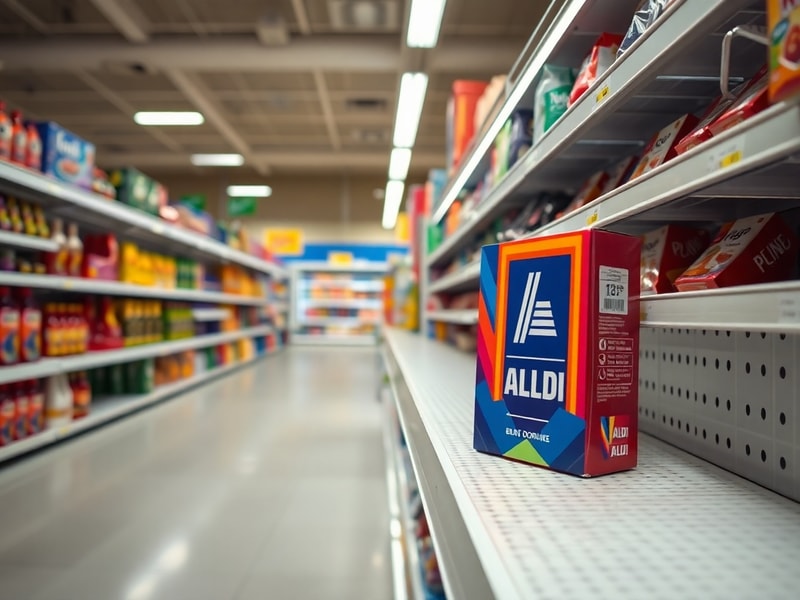
Aldi Blind Boxes: The Surprising Truth Behind the $5 Mystery
Blind boxes have become a retail staple, offering surprises wrapped in mystery and priced to move. Among the chains embracing this trend, Aldi has quietly carved out a niche with its own line of blind boxes, blending affordability with collectibility. These boxes, often tucked into the seasonal aisle or near checkout counters, promise a mix of fun and function at prices that undercut competitors like Five Below or Walmart. But what exactly makes Aldi’s blind boxes stand out—and are they worth the hype?
What’s Inside Aldi’s Blind Boxes?
Aldi’s blind boxes typically feature two price points: a lower-cost option around $3–$5 and a premium version priced at $8–$10. The lower-tier boxes often contain small toys, keychains, or mini figurines, while the pricier ones may include plushies, larger collectibles, or themed sets. Unlike some blind box retailers that focus on a single franchise (think Disney or Marvel), Aldi’s offerings are eclectic, ranging from cute animals to seasonal motifs like pumpkins in fall or snowflakes in winter.
The variety is part of the appeal. Shoppers never know exactly what they’ll get, but the selection is consistently fresh. Aldi rotates its blind box inventory frequently, ensuring repeat customers won’t hit a wall with stagnant stock. This strategy keeps the experience unpredictable, even if the items themselves aren’t always high-end. For families on a budget, it’s a low-risk way to add a little excitement to the weekly grocery run.
Aldi vs. Competitors: Where Blind Boxes Clash
To understand Aldi’s blind box strategy, it helps to compare it to rivals. Five Below, for instance, specializes in trend-driven toys and blind boxes, often tied to pop culture. Aldi, by contrast, plays the long game—prioritizing value over exclusivity. While Five Below’s boxes might feature licensed characters at a higher markup, Aldi’s versions lean into generic charm. A blind box from Aldi could yield a rubber duckie just as easily as a mini fidget toy, but the price is nearly half of what you’d pay at a dedicated toy store.
Another key difference is accessibility. Aldi’s blind boxes are available in most of its 2,300 U.S. locations, whereas specialty retailers like BoxLunch or Hot Topic require a dedicated trip. For budget-conscious shoppers, this convenience is a major selling point. Aldi also avoids the hype culture surrounding limited-edition releases. There are no chase variants or resale markets—just straightforward, no-frills surprises. That said, the lack of scarcity may dampen the thrill for hardcore collectors who chase rare items.
Here’s a quick breakdown of how Aldi stacks up against competitors:
- Price: Aldi’s blind boxes are 30–50% cheaper than Five Below or Walmart’s premium options.
- Variety: Aldi’s inventory is less franchise-driven, offering more generic surprises.
- Accessibility: Available in most Aldi stores year-round, unlike seasonal pop-ups at other retailers.
- Exclusivity: No chase variants or limited editions; items are mass-produced.
The Psychology Behind the Purchase: Why Do We Love Blind Boxes?
Blind boxes tap into a psychological phenomenon known as the “endowment effect”—the idea that people value things more simply because they own them. Even if the item inside is trivial, the act of unwrapping it creates a sense of anticipation and ownership. For children, this is magnified; the thrill of discovery outweighs the actual utility of a plastic trinket. Parents, meanwhile, appreciate the low cost and minimal mess compared to larger toys.
Aldi’s blind boxes also benefit from the “gamification” of shopping. In an era where grocery trips are often routine, a $5 mystery box injects a small dose of fun. The unboxing experience, though minimal, offers a dopamine hit similar to opening a loot box in a video game. It’s a win for Aldi too: the low price point encourages impulse buys, and the rotation of stock ensures customers return to see what’s new.
Yet, the blind box model isn’t without criticism. Environmentalists argue that the single-use packaging contributes to waste, and psychologists note that the thrill can encourage overconsumption. For Aldi, which markets itself as an eco-friendly grocer (thanks to its reusable bag policies and minimalist store designs), the blind boxes present a contradiction. The chain hasn’t addressed sustainability concerns directly, but its affordability may offset some of these drawbacks for budget-focused shoppers.
Are Aldi’s Blind Boxes Worth It?
The answer depends on what you’re looking for. If you’re a parent seeking a cheap, low-stakes way to entertain kids, Aldi’s blind boxes deliver. The variety ensures boredom is rarely an issue, and the price won’t break the bank. Collectors, however, might find the lack of rare items frustrating. Unlike LOL Surprise! dolls or Funko Pop! blind boxes, which have thriving secondary markets, Aldi’s offerings hold little resale value.
For thrifty shoppers, the real value lies in the surprise factor. A $5 box could yield a keychain you’ll use daily or a trinket you’ll toss within a week—but the gamble is part of the fun. Aldi’s blind boxes also make for easy gifts. A parent can grab one on the way out of the store, avoiding the hassle of a dedicated toy aisle. The downside? If you’re hoping for something specific, like a particular character or theme, you’ll likely leave empty-handed.
Ultimately, Aldi’s blind boxes are a microcosm of the chain’s broader appeal: practical, affordable, and just a little bit whimsical. They’re not designed to replace high-end collectibles or franchise tie-ins, but they excel at what they do—offering a cheap thrill without the hassle. For shoppers who enjoy the occasional surprise, they’re a smart addition to the checkout line.
Where to Find Aldi’s Blind Boxes—and What’s Next
Aldi’s blind boxes are a year-round fixture, but they’re especially prominent during holidays. Halloween, Christmas, and Easter see the biggest selections, with themed boxes featuring pumpkins, snowmen, or bunnies. To check availability, visit your local store or browse Aldi’s weekly ad online. The chain doesn’t always list blind boxes in its digital inventory, so a quick in-store visit is the best way to secure a box before they sell out.
Looking ahead, will Aldi expand its blind box offerings? Given their popularity, it’s likely. The chain has already dipped its toes into higher-end collectibles with occasional plushie bundles, suggesting a potential pivot toward more premium surprises. For now, though, the focus remains on affordability. If you’re curious about what’s inside, keep an eye on the seasonal aisles—you might just walk out with a tiny treasure (or a plastic dinosaur you’ll never use).
For more on Aldi’s seasonal offerings, check out our Seasonal Toys category. And if you’re hunting for budget-friendly finds beyond blind boxes, our Affordable Collectibles guide has you covered.