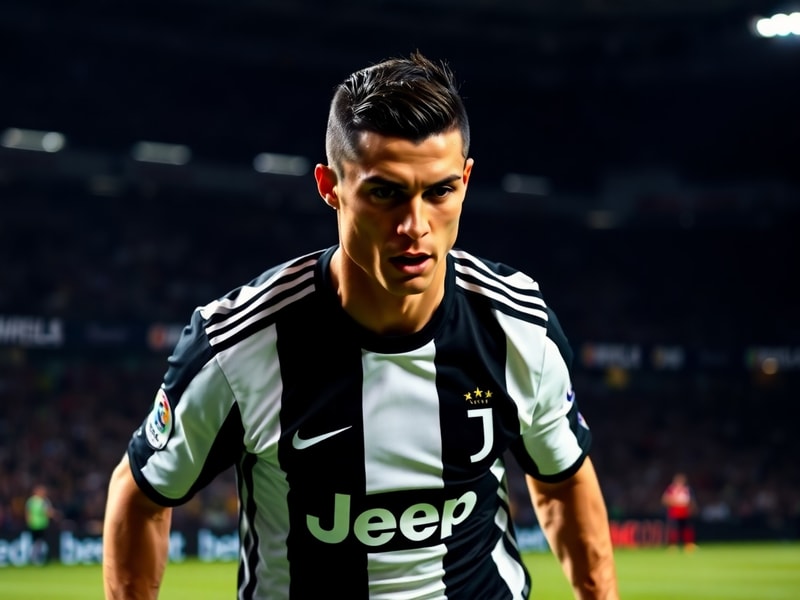
Cristiano Ronaldo remains one of the most scrutinized athletes in sports history, not just for his unparalleled skill but for the relentless focus on his age. At 39 years old, he continues to defy expectations by dominating matches, rewriting record books, and silencing critics who predicted his decline years ago. The scrutiny around Ronaldo’s age isn’t just about his physical performance—it’s a reflection of how society views aging in elite sport, the evolving standards of excellence, and the pressure placed on athletes to perform at superhuman levels regardless of their biological clock.
How Ronaldo’s Age Impacts His Playing Style
Ronaldo’s longevity is extraordinary, but it has forced adjustments in his game. Once known for explosive speed and aerial dominance, he has transitioned into a more calculated, cerebral player. His reliance on technique, positioning, and set-piece mastery has increased, while bursts of raw athleticism have decreased. This evolution mirrors the careers of other legends like Zlatan Ibrahimović and Lionel Messi, who also extended their primes through refined skill rather than physical dominance.
His stamina remains a point of fascination. Despite turning 40 in February 2024, Ronaldo still completes more sprints per game than many players half his age. His work ethic—documented through rigorous off-season training and dietary discipline—suggests that age is just a number when met with relentless preparation. Yet, the strain on his body is undeniable. Minor injuries that once would have sidelined him for weeks now require careful management, and recovery times have lengthened. Clubs and coaches must weigh the risks of playing him in every match versus the commercial and competitive value he brings.
The Psychological Edge: Defying Expectations
Ronaldo’s mental resilience may be his greatest asset at this stage of his career. He has repeatedly overcome narratives that sought to write him off, from doubters after his 2018 World Cup performance to pundits predicting his decline with each passing season. This psychological edge isn’t just about motivation—it’s about strategy. By maintaining a public image of invincibility, he forces opponents to overcompensate, often playing more cautiously when facing him.
His social media presence, which often highlights his training regimen and recovery routines, serves as both inspiration and intimidation. Fans and rivals alike are reminded that age is not a limitation when paired with discipline. This mentality shift extends beyond Ronaldo; it challenges the sports world to reconsider what aging in athletics can look like. Younger players now grow up seeing a 40-year-old scoring hat tricks, which reshapes their understanding of longevity in the sport.
Broader Implications for Sports and Society
The conversation around Ronaldo’s age extends far beyond football. It touches on broader themes of aging in professional sports, the commercialization of athletes as brands, and the unrealistic standards placed on competitors. As athletes live longer and recover faster thanks to advances in sports science, the definition of an “over-the-hill” player is constantly being rewritten.
His career also highlights the financial pressures on aging stars. At 39, Ronaldo earns more from endorsements than most active players earn from wages. This financial cushion allows him to remain selective about his playing contracts, prioritizing clubs that offer competitive playtime and global visibility. It’s a stark contrast to athletes in less lucrative sports, who often face financial insecurity post-retirement. Ronaldo’s ability to monetize his brand well into his 40s sets a new benchmark for athlete longevity in commercial terms.
Key Takeaways on Ronaldo’s Age and Legacy
- Physical Adaptation: Ronaldo has evolved from a explosive winger to a precision striker, leveraging technique over raw speed.
- Mental Fortitude: His ability to defy age-related narratives has become a psychological weapon, influencing opponents and inspiring fans.
- Commercial Longevity: His brand value remains untouched by age, proving that marketability can outlast physical prime in elite sports.
- Cultural Impact: Ronaldo’s career challenges societal views on aging in athletics, setting new standards for what’s possible in later years.
Ronaldo’s age is no longer a question of “if” but “how” he will continue to perform. While his minutes may be managed more carefully and his role increasingly strategic, his presence on the pitch remains transformative. For clubs, signing a player of his stature is a statement—a commitment to excellence regardless of age. For fans, he represents the pinnacle of dedication, a reminder that greatness is not bound by years but by work ethic.
As Ronaldo inches closer to 40, the sports world watches with bated breath. Will he break more records? Will he inspire a new generation of athletes to defy age? One thing is certain: Cristiano Ronaldo’s relationship with time is far from over. It’s a testament to what happens when talent meets tenacity, and perhaps the most underrated part of his legacy.
For more insights into the careers of aging athletes and their impact on sports culture, visit our Trending and Sports categories.