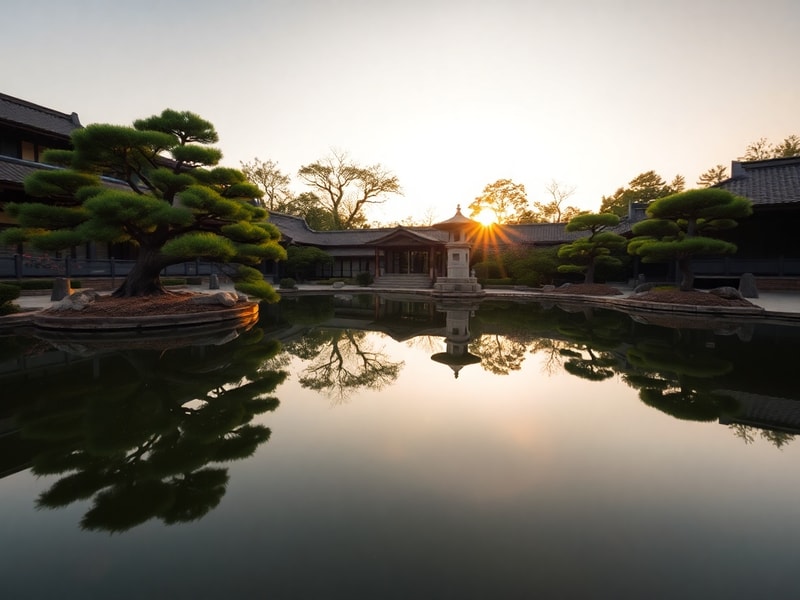
Few architectural elements command attention like a reflecting pool. These serene water features transform landscapes by doubling the visual impact of their surroundings. Whether framing monumental structures or enhancing private gardens, reflecting pools create moments of quiet contemplation in otherwise busy spaces.
The Purpose Behind the Still Water
Reflecting pools serve multiple functions beyond simple decoration. Historically, they originated in ancient civilizations where water symbolized life and purity. Modern applications maintain this spiritual connection while adding practical benefits like cooling surrounding areas and supporting local ecosystems.
Architects often incorporate them to:
- Enhance the grandeur of monuments and memorials
- Provide visual balance in urban plazas
- Create microclimates that moderate temperature
- Offer habitats for birds and beneficial insects
Their symmetrical design naturally draws the eye, creating focal points that guide pedestrian movement through public spaces. In memorials like the Lincoln Memorial Reflecting Pool, the water becomes part of the storytelling, amplifying the emotional resonance of the tribute.
Design Considerations for Longevity
Successful reflecting pools require careful engineering beyond aesthetic appeal. Water depth typically ranges from six inches to three feet, with shallower pools being easier to maintain but more prone to algae growth. The basin must be perfectly level to ensure mirror-like reflections, often requiring laser-guided construction techniques.
Material selection impacts both appearance and durability:
- Concrete: Most common choice, can be molded into any shape, but prone to cracking
- Fiberglass: Lightweight and crack-resistant, ideal for residential installations
- Stainless steel: Modern look with excellent durability, but expensive
- Natural stone: Blends with landscapes but requires frequent sealing
Proper water treatment systems prevent staining and mineral buildup. Many contemporary pools use recirculating systems that filter and treat water continuously, reducing maintenance while preserving water quality. Edge treatments also demand attention—whether a simple coping stone or a sophisticated perimeter overflow system that maintains the water’s pristine surface.
Iconic Examples That Define the Form
Some reflecting pools have achieved legendary status through their integration with significant cultural sites. The Reflecting Pool at the National Mall spans 2,029 feet between the Lincoln Memorial and the Washington Monument, making it one of the largest in the world. Its 1920s construction required 6.75 million gallons of water at full capacity.
International examples demonstrate the form’s adaptability:
- Taj Mahal Gardens: The four-part garden includes long rectangular pools that mirror the white marble mausoleum, creating one of history’s most famous visual illusions
- Waterloo Memorial: London’s memorial to the Battle of Waterloo features a circular reflecting pool surrounded by military monuments
- Palm Jumeirah: Dubai’s artificial island incorporates reflecting pools in luxury villas, blending desert architecture with water features
These examples prove that reflecting pools transcend geography and culture while maintaining their core function of creating visual harmony. The best designs feel inevitable—like the architecture couldn’t exist without the water’s mirroring presence.
Challenges of Maintenance and Sustainability
Water conservation presents the most significant challenge for reflecting pool owners. Traditional designs can lose thousands of gallons daily to evaporation, particularly in arid climates. Modern solutions include:
- Hybrid systems that combine water features with drought-tolerant landscaping
- Smart sensors that adjust water levels based on weather forecasts
- Mist systems that create reflective surfaces with minimal water use
- Chemical-free treatments using ultraviolet light and ozone
Maintenance schedules typically include weekly cleaning to remove debris, monthly inspections for leaks or cracks, and seasonal treatments to prevent algae and mineral deposits. In colder climates, winterization requires draining the pool below frost lines or adding antifreeze solutions to prevent ice damage.
Emerging technologies are making reflecting pools more sustainable without sacrificing their visual impact. Some designers now incorporate rainwater harvesting systems that store and filter precipitation for pool use. Others experiment with recirculating systems that treat and reuse water continuously, reducing overall consumption by up to 70%.
The future of reflecting pools may lie in hybrid designs that serve multiple ecological functions. Some landscape architects now combine reflecting pools with constructed wetlands, creating habitats that filter stormwater while maintaining their visual appeal. These innovations prove that functionality and beauty can coexist in landscape architecture.
Creating Your Own Reflection
Homeowners interested in adding a reflecting pool to private gardens should begin with careful site assessment. The ideal location receives morning sun to minimize evaporation while avoiding areas with tree roots that could damage the basin. Local building codes may require permits, especially for pools deeper than 18 inches.
Start with a simple rectangular design if this represents your first water feature. Measure the surrounding elements carefully—your pool’s width should relate harmoniously to nearby structures or plantings. Consider incorporating LED lighting along the edges for nighttime reflection effects that extend the pool’s usefulness into evening hours.
Plant selection around reflecting pools requires thoughtfulness. Choose species that won’t drop excessive leaves into the water, which would require frequent skimming. Native aquatic plants like pickerelweed or sweet flag can soften the edges while supporting local wildlife. Avoid invasive species that could disrupt the pool’s ecosystem.
For those seeking professional guidance, many landscape architects specialize in water features. Look for professionals with experience in both the technical aspects of pool construction and the artistic integration of water into landscapes. They can help navigate the complex decisions about size, shape, materials, and maintenance requirements that determine a reflecting pool’s long-term success.
Whether grand or modest, a well-designed reflecting pool becomes more than mere decoration—it transforms how we experience space. The still water captures fleeting moments of sunlight and shadow, creating a living artwork that changes with every season. In an age of constant motion, these pools offer a rare opportunity to pause and reflect.