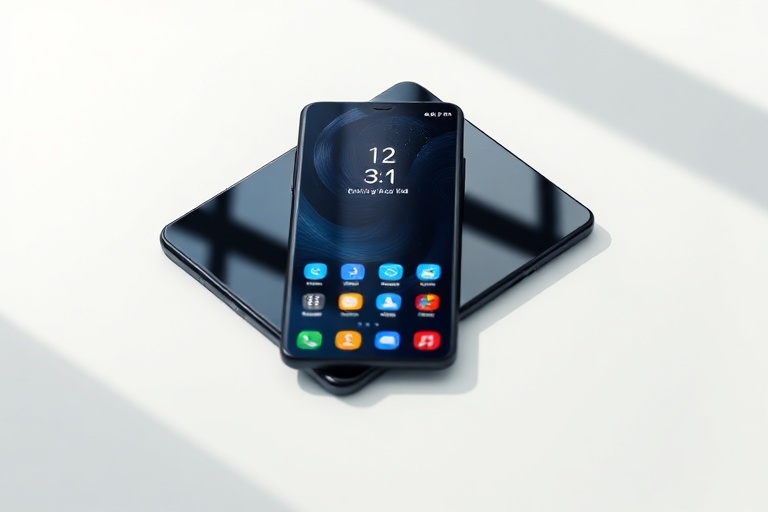
The Samsung Galaxy Z Fold 8 arrives as the latest flagship in the company’s foldable smartphone lineup, building on years of refinement while pushing boundaries in design and functionality. This year’s model refines the formula without radical departures, focusing instead on meaningful improvements that address persistent pain points. For consumers invested in the foldable ecosystem, the Fold 8 represents both evolution and validation of a maturing category. Its launch arrives at a critical juncture, as foldables transition from novelty to legitimate alternatives to traditional flagships.
Design and Build: Familiar Yet Refined
The Fold 8 retains the dual-screen architecture that defines the Galaxy Z Fold line, with a 7.6-inch Dynamic AMOLED 2X main display and a 6.2-inch cover screen. Samsung has shaved off a few grams compared to its predecessor, making the device slightly lighter and more comfortable for one-handed use. The hinge mechanism, a frequent point of scrutiny in earlier models, has been reinforced with a new dual-rail design that promises improved durability. While the overall aesthetic remains minimalist, subtle refinements in the camera island and bezel reduction give the device a more cohesive appearance.
Durability remains a top priority. The Fold 8 carries IPX8 water resistance and an Armor Aluminum frame, materials chosen to withstand daily wear and tear. Samsung also claims the internal display is now more resistant to scratches, a welcome improvement for users who’ve experienced micro-abrasions over time. These changes reflect a broader industry trend: foldables are no longer experimental gadgets but premium devices built to last.
Key Features and Performance Upgrades
The Galaxy Z Fold 8 is powered by the Snapdragon 8 Gen 2 for Galaxy, a chipset optimized exclusively for Samsung’s foldable devices. This ensures seamless multitasking, with the ability to run multiple apps side by side or even three apps simultaneously in pop-up view mode. The device also introduces a new Flex Mode gesture, allowing users to pause videos or continue calls when the phone is partially folded—a small but intuitive addition that enhances usability.
Camera performance sees incremental but notable improvements. The triple rear camera setup (200MP main, 12MP ultra-wide, 10MP telephoto) now includes enhanced night mode algorithms and improved stabilization for video recording. The cover screen camera, a 12MP shooter, remains unchanged but benefits from software optimizations, delivering crisper selfies in good lighting. Video recording tops out at 4K at 60fps, a standard for high-end smartphones but one that foldable users will appreciate for its versatility.
Battery life is another area where the Fold 8 makes strides. The 4,400mAh battery, paired with more efficient power management, now supports faster 25W wired charging and 15W wireless charging. While still not on par with the longest-lasting slab-style phones, the improvement is noticeable for users who rely on their devices throughout the day.
Who Is the Fold 8 For?
The Galaxy Z Fold 8 isn’t a device for everyone. Its $1,999 price tag places it firmly in the luxury segment, targeting professionals, creatives, and tech enthusiasts who prioritize productivity and innovation. For these users, the Fold 8 offers tangible benefits: a larger, more immersive display for media consumption, multitasking capabilities that rival laptops, and a camera system that punches above its weight.
However, the device’s niche appeal also raises questions about the future of foldables. While Samsung continues to refine its foldable lineup, the broader market remains dominated by traditional smartphones. The Fold 8’s success hinges on whether consumers are willing to adopt a radical form factor for practical gains. Early adopters have shown enthusiasm, but mainstream acceptance will require more affordable options and a stronger ecosystem of third-party apps optimized for foldable screens.
For those on the fence, the Fold 8 serves as a compelling case study in how far foldable technology has come. It’s no longer a gimmick but a viable alternative for users who need flexibility without sacrificing performance. Whether it becomes a must-have device or remains a niche product depends on how well Samsung can communicate its value proposition beyond the early adopter crowd.
Broader Implications for the Smartphone Industry
The Galaxy Z Fold 8’s launch isn’t just about one device; it’s a bellwether for the entire smartphone industry. Samsung’s continued investment in foldables signals a long-term bet on this form factor, one that could reshape how we interact with our devices. If the Fold 8 succeeds, we may see more manufacturers—including Apple—accelerate their foldable projects, leading to greater competition and innovation.
One area to watch is software. Samsung’s One UI 5.1, built on Android 13, offers a tailored experience for foldables, with features like split-screen multitasking and app continuity when transitioning between screens. However, the ecosystem still lacks depth. Many apps remain unoptimized for foldable screens, forcing users to rely on workarounds. As foldables gain traction, developers will need to prioritize adaptive layouts and multi-window support to unlock the devices’ full potential.
Another consideration is sustainability. Foldable phones are resource-intensive to produce, with complex hinges and flexible displays that require rare materials. Samsung has taken steps to address this with recycled materials in the Fold 8’s construction, but the industry as a whole must reckon with the environmental cost of pushing the boundaries of hardware innovation.
Ultimately, the Galaxy Z Fold 8 represents a pivotal moment in the evolution of smartphones. It’s a device that challenges conventions, rewards patience, and demands a higher price for the privilege of being at the forefront of technology. For those who embrace it, the Fold 8 delivers an experience that’s hard to match with a traditional phone. For everyone else, it’s a reminder that the future of mobile computing might look very different from what we’re used to.
Key Takeaways
- The Galaxy Z Fold 8 refines the foldable formula with a lighter design, improved durability, and better battery life.
- Performance and camera upgrades are incremental but meaningful for users who demand the best.
- Pricing and niche appeal limit its mainstream potential, but it’s a strong option for professionals and creatives.
- The device highlights the need for better app optimization and a stronger foldable ecosystem.
- Samsung’s continued investment in foldables could reshape the smartphone industry in the coming years.
For more insights into foldable technology and Samsung’s latest devices, explore our Technology and Gaming sections. Whether you’re a tech enthusiast or a casual user, understanding the trajectory of foldables is key to staying ahead in the ever-changing world of smartphones.