Tornadoes Explained: Formation, History, and Global Impact
The Anatomy of Nature’s Fury: Understanding Tornadoes and Violent Storms
Every year, violent storms reshape landscapes, displace communities, and challenge our understanding of nature’s raw power. Among these, tornadoes stand out as one of the most unpredictable yet devastating forces. With wind speeds that can exceed 300 miles per hour, these twisting vortices can obliterate buildings, toss vehicles like toys, and leave scars on the earth that last for decades. While tornadoes are often associated with the central United States—particularly the region known as Tornado Alley—they occur on every continent except Antarctica, demonstrating that no corner of the globe is entirely safe from nature’s fury.
Understanding tornadoes requires more than just acknowledging their destructive potential. It demands a closer look at the atmospheric conditions that spawn them, the global patterns that influence their formation, and the ways in which different cultures have adapted—or failed to adapt—to their threat. From the deadly outbreaks in Bangladesh to the rare but intense tornadoes in Europe, these storms force us to confront the limits of human resilience and the urgent need for better forecasting and preparedness.
How Tornadoes Form: The Science Behind the Swirl
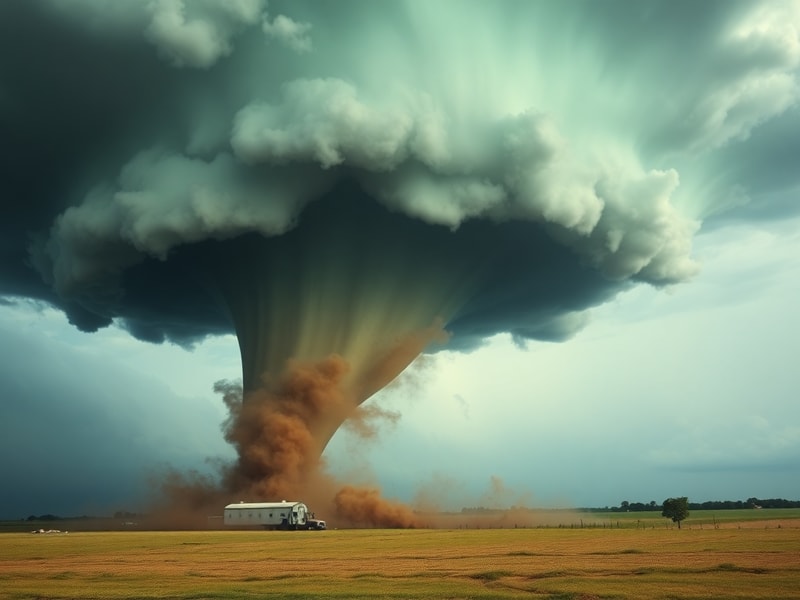
Tornadoes are born from the clash of warm, moist air and cold, dry air, often within severe thunderstorms known as supercells. These storms develop when wind shear—changes in wind speed and direction with altitude—creates a rotating updraft. As the updraft tightens and intensifies, it can form a funnel cloud that descends toward the ground. Once the funnel touches the earth, it officially becomes a tornado.
Not all thunderstorms produce tornadoes, and predicting which ones will remains one of the greatest challenges in meteorology. Factors such as atmospheric instability, moisture availability, and wind patterns all play critical roles. For example, in the United States, the collision of warm, humid air from the Gulf of Mexico with cooler, drier air from the Rockies and Canada creates the perfect breeding ground for tornadoes. This explains why states like Oklahoma, Kansas, and Texas experience some of the highest tornado frequencies in the world.
Globally, tornadoes are less common outside of North America, but they are not unheard of. In Europe, for instance, tornadoes often form in clusters along cold fronts, particularly in Germany, France, and the United Kingdom. Meanwhile, in South America, countries like Argentina and Brazil experience tornadoes in regions where warm, moist air from the Amazon meets cooler air from the Andes. These storms may be less frequent, but their impact can be just as severe.
The Deadliest Tornado Outbreaks in History
Throughout history, tornadoes have left indelible marks on communities around the world. Some of the deadliest outbreaks have reshaped disaster response strategies and highlighted the importance of early warning systems. One such event is the 1989 Daulatpur-Saturia tornado in Bangladesh, which remains the deadliest tornado ever recorded. With winds estimated at 150 miles per hour, the tornado tore through the Manikganj district, killing at least 1,300 people and injuring more than 12,000. The high death toll was attributed to the region’s dense population, poor construction standards, and lack of early warning systems.
In the United States, the 1925 Tri-State Tornado holds the record for the deadliest single tornado in American history. Ripping through Missouri, Illinois, and Indiana, the storm traveled 219 miles in just over three hours, killing 695 people. Its long track and rapid movement made it particularly deadly, as communities had little time to react. More recently, the 2011 Super Outbreak produced 362 tornadoes across 21 states, resulting in 324 fatalities and over $10 billion in damages. This event underscored the need for improved communication and coordination among meteorological agencies.
While the United States experiences the highest number of tornadoes annually—around 1,200—other countries have faced devastating storms with less frequency but equal ferocity. In 2013, a tornado in the Canadian province of Ontario killed 10 people and injured dozens more, highlighting the fact that tornadoes are not confined to any single region. These events serve as a reminder that preparedness and awareness are universal necessities.
The Cultural and Psychological Impact of Tornadoes
Beyond the physical destruction, tornadoes leave deep psychological scars on the communities they strike. For many survivors, the experience of watching a tornado approach—whether through a window or on a radar screen—is a moment frozen in time. The sheer unpredictability of these storms can lead to long-term anxiety, particularly in regions prone to frequent tornado activity. In the American Midwest, for example, the annual tornado season is met with a mix of resignation and vigilance. Residents practice drills, reinforce homes, and keep emergency kits ready, knowing that a tornado could strike without warning.
In Japan, where tornadoes are rare but not unheard of, the cultural response to these storms is often one of fascination rather than fear. The country’s advanced warning systems and strict building codes minimize casualties, allowing many Japanese to view tornadoes as rare natural phenomena rather than existential threats. Meanwhile, in Bangladesh, where tornadoes are more frequent and deadlier, the cultural narrative is one of resilience. Communities have developed oral traditions and local knowledge to predict storms, often relying on the behavior of animals or changes in the sky.
The psychological toll of tornadoes is also evident in the art and literature they inspire. In the United States, tornadoes have been romanticized in films like The Wizard of Oz and Twister, where they symbolize both destruction and renewal. In reality, however, the aftermath of a tornado is often marked by grief and recovery. Survivors frequently describe a sense of displacement, as entire neighborhoods are reduced to rubble overnight. The rebuilding process can take years, if not decades, and the scars left behind are not just physical but emotional.
Preparing for the Unpredictable: Lessons from Around the World
While tornadoes cannot be prevented, their impact can be mitigated through preparedness, technology, and community engagement. One of the most effective tools in tornado forecasting is Doppler radar, which allows meteorologists to detect rotation within thunderstorms before a funnel cloud forms. In the United States, the National Weather Service issues tornado warnings with an average lead time of 13 minutes, though this can vary depending on the storm’s speed and intensity. In countries like Japan and Germany, where tornadoes are less frequent, advanced warning systems are still critical in saving lives.
Community preparedness plays a vital role in reducing tornado-related fatalities. In the U.S., programs like Storm Ready, administered by the National Weather Service, help towns and cities develop emergency plans, conduct drills, and establish communication networks. Similarly, in Bangladesh, nongovernmental organizations work with local communities to educate residents about tornado safety and improve housing construction standards. These efforts demonstrate that even in the face of nature’s most violent storms, human ingenuity and cooperation can make a difference.
Technological advancements are also changing the way we track and respond to tornadoes. Drones equipped with sensors can now fly into storm systems to collect data, providing meteorologists with real-time insights into a tornado’s formation and path. Artificial intelligence is being used to analyze patterns in historical tornado data, helping scientists identify regions at higher risk of future outbreaks. While these innovations cannot stop a tornado, they can give communities precious extra minutes to seek shelter.
For those living in tornado-prone regions, personal preparedness is key. The Federal Emergency Management Agency (FEMA) recommends having a disaster supply kit ready, including water, non-perishable food, a flashlight, batteries, and a first-aid kit. Identifying a safe room or storm shelter in advance can also save lives. In urban areas, where space is limited, multi-story buildings with basements or interior rooms on the lowest floor are often the safest options. Rural communities, on the other hand, may need to rely on community storm shelters or reinforced cellars.
The Future of Tornado Research and Climate Change
As the global climate changes, scientists are studying whether tornadoes will become more frequent or intense. Some research suggests that warmer temperatures could lead to more unstable atmospheric conditions, potentially increasing the likelihood of severe thunderstorms and tornadoes. However, the relationship between climate change and tornadoes is complex and not yet fully understood. While some studies indicate a shift in tornado activity toward the southeastern United States, others suggest that the overall number of tornadoes may not increase significantly. What is clear, though, is that preparedness and adaptability will be crucial in the decades to come.
One thing is certain: tornadoes will continue to shape human history, testing our resilience and forcing us to confront our vulnerability. Whether in the heartland of America, the plains of Bangladesh, or the countryside of Europe, these storms remind us of nature’s power—and our responsibility to protect one another. By investing in early warning systems, improving building codes, and fostering a culture of preparedness, we can reduce the toll of these disasters and ensure that communities are not left to face the storm alone.
Resources for Staying Informed
For those looking to stay informed about severe weather and tornado safety, several organizations provide valuable resources:
- National Severe Storms Laboratory (NSSL): Conducts research on severe weather and provides educational materials on tornado formation and safety.
- Ready.gov Tornadoes: Offers step-by-step guides on how to prepare for tornadoes, including what to do during and after the storm.
- Tornado Facts: A comprehensive resource for tornado statistics, historical events, and safety tips.
- Dave’s Locker News: Stay updated on the latest severe weather events and emergency response efforts.
Conclusion: Living with Nature’s Fury
Tornadoes are a stark reminder of nature’s unpredictability and power. While we may never fully control these storms, our ability to predict, prepare for, and recover from them is constantly improving. From the scientific advancements in meteorology to the community-driven efforts in tornado-prone regions, humanity’s response to these disasters reflects our resilience and ingenuity. As climate patterns shift and populations grow, the challenge of living with tornadoes will only become more complex. Yet, by learning from the past and investing in the future, we can ensure that when the next storm comes, we are ready to face it.