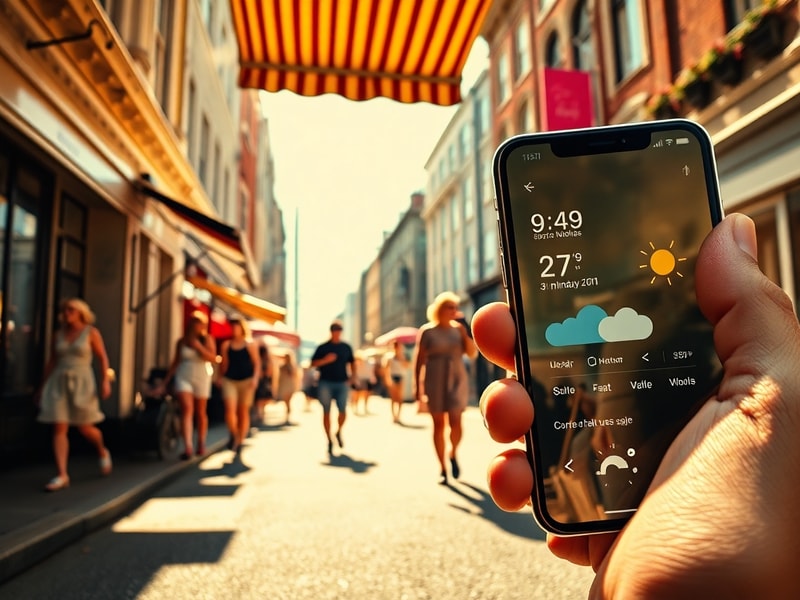
The UK is bracing for an unusual heatwave this week, with temperatures expected to climb above 30°C in some regions. Forecasters warn that this isn’t just a passing warm spell but part of a broader pattern of extreme weather linked to shifting global climate systems. While Britons might welcome the rare burst of sunshine, the sudden shift raises concerns about infrastructure strain, public health risks, and the long-term implications of a warming planet.
What’s driving the heatwave?
Meteorologists attribute the spike in temperatures to a high-pressure system parked over the Atlantic, which is funneling hot air from southern Europe and North Africa into the UK. This phenomenon isn’t entirely new, but its intensity and duration are becoming more pronounced. According to the Met Office, heatwaves in the UK have doubled in frequency since the 1960s, a trend that aligns with global warming projections.
The current heatwave follows a global pattern of extreme weather events. From record-breaking temperatures in the southwestern United States to scorching conditions in southern Europe, 2024 is shaping up to be one of the hottest years on record. Scientists point to the El Niño-Southern Oscillation (ENSO) as a contributing factor, though human-induced climate change is amplifying its effects.
How is the UK adapting?
Local authorities are taking precautions to mitigate the impact of the heatwave. Schools have been advised to adjust outdoor activities, and hospitals are preparing for an influx of heat-related illnesses. Meanwhile, businesses in sectors like retail and travel are capitalizing on the sunny weather, with outdoor dining and tourism seeing a surge in demand.
Yet, the heatwave also highlights disparities in how communities cope with extreme weather. Urban areas, with their concrete landscapes and limited green spaces, are experiencing the “urban heat island” effect, where temperatures can be several degrees higher than in rural surroundings. This disproportionately affects low-income neighborhoods, where access to air conditioning and shaded public spaces is often limited.
Public health warnings
The Met Office has issued a Level 2 heat-health alert, urging vulnerable populations—such as the elderly, young children, and those with pre-existing health conditions—to take extra precautions. Symptoms of heat exhaustion, including dizziness, nausea, and rapid heartbeat, can escalate quickly in extreme conditions. Public health officials recommend staying hydrated, avoiding outdoor exertion during peak heat hours, and checking on neighbors who may need assistance.
Historically, heatwaves in the UK have claimed thousands of lives. The 2003 European heatwave, for instance, resulted in over 2,000 excess deaths in the UK alone. While modern infrastructure and early warning systems have improved preparedness, the risk remains significant, particularly as heatwaves become more frequent and intense.
The cultural impact of heat in the UK
For many Brits, a heatwave is a novelty—a chance to swap umbrellas for sunglasses and debate the merits of ice cream flavors at length. Social media is awash with photos of sunbathers in London parks, while pubs and beer gardens report record crowds. Yet, this lightheartedness belies deeper cultural anxieties. The UK’s identity has long been tied to its temperate climate, and the idea of a “Mediterranean summer” feels both thrilling and unsettling.
Culturally, heatwaves often serve as a mirror to societal values. In countries where extreme heat is the norm, such as Spain or Australia, daily life is structured around avoiding the midday sun. In contrast, the UK’s infrastructure—from public transport systems to housing design—hasn’t historically prioritized heat resilience. This disconnect is becoming harder to ignore as temperatures rise.
Looking ahead: A hotter future?
Climate projections suggest that heatwaves like this one will become the norm rather than the exception. The UK’s average summer temperature could rise by up to 3°C by 2050, according to the Climate Change Committee. This shift will require significant adaptations, from retrofitting homes with better insulation to redesigning urban spaces with more green areas and shaded walkways.
On a global scale, the implications are even more far-reaching. Heatwaves exacerbate droughts, wildfires, and food shortages, disproportionately affecting vulnerable populations in the Global South. The UK’s experience with this heatwave serves as a reminder that climate change is not a distant threat but a present reality, demanding urgent action from governments, businesses, and individuals alike.
What can you do?
As the UK navigates this heatwave and prepares for a hotter future, small actions can make a difference. Simple measures like closing curtains during the day, using fans instead of air conditioning where possible, and supporting policies that prioritize climate adaptation can collectively reduce strain on resources and improve community resilience.
For now, though, the focus is on enjoying the sunshine—safely. Whether it’s a spontaneous trip to the beach or an evening stroll through a local park, the heatwave offers a fleeting glimpse of what might become a permanent feature of British summers. The question is whether the country is ready for it.