Understanding Tornadoes and Severe Storms: Science, History, and Safety
Storms and tornadoes rank among nature’s most powerful forces, reshaping landscapes and testing human resilience. While all thunderstorms produce lightning, wind, and rain, not all evolve into severe weather capable of spawning tornadoes. The distinction lies in atmospheric instability, wind shear, and moisture levels—factors that determine whether a storm remains ordinary or escalates into a destructive event.
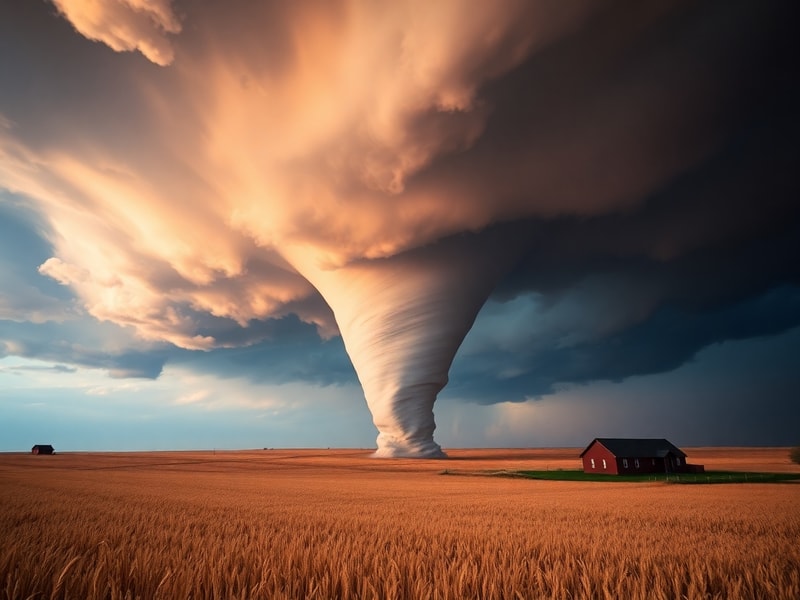
Tornadoes, in particular, form under specific conditions when warm, moist air collides with cooler, dry air. This clash creates rotating updrafts within thunderstorms, eventually tightening into a funnel cloud that touches the ground. The intensity of a tornado is measured on the Enhanced Fujita Scale, ranging from EF0 (minor damage) to EF5 (total devastation). Understanding these dynamics helps communities prepare and respond more effectively when warnings are issued.
How Tornadoes Develop: The Science Behind the Spin
Tornado formation begins with a supercell thunderstorm, a rotating storm system that can last for hours. Within this storm, wind shear—changes in wind speed and direction with altitude—causes air to spin horizontally like a rolling tube. If this rotating air gets lifted by an updraft, it tilts vertically, forming a mesocyclone, a rotating column of air inside the storm.
As the mesocyclone tightens, a wall cloud may descend from the storm’s base. This lowering cloud signals the potential for a tornado. If the rotation intensifies further, a funnel cloud emerges and may touch down, becoming a tornado when it makes contact with the ground. The entire process can unfold in minutes, leaving little time for warnings to reach those in danger.
Not all supercells produce tornadoes, and scientists continue studying why some storms generate them while others do not. Variables like atmospheric pressure, humidity gradients, and even terrain features play roles in this unpredictable process. Improved radar technology, such as dual-polarization Doppler, has enhanced forecasters’ ability to detect rotation early, though predicting exact touchdown locations remains challenging.
The Deadliest Tornadoes in U.S. History
The United States experiences more tornadoes than any other country, averaging about 1,200 annually. Some of these storms have left indelible marks on history due to their sheer power and tragic toll. The Deadliest Tornado Outbreak occurred in March 1925, when a series of at least seven tornadoes tore across Missouri, Illinois, and Indiana. Known as the Tri-State Tornado, it traveled 219 miles in just over three hours, killing 695 people—still the deadliest in U.S. records.
More recently, the 2011 Super Outbreak demonstrated how multiple violent tornadoes can strike in a single day. Over April 25–28, 362 tornadoes formed across the Southeast, including 15 rated EF5. The hardest-hit areas included Alabama, where entire neighborhoods were leveled. This event led to 324 deaths and prompted discussions about building codes and emergency response strategies in tornado-prone regions.
Other notable tornadoes include the 1999 Bridge Creek-Moore EF5, which produced the highest wind speed ever recorded on Earth—301 mph—measured by a mobile Doppler radar. The 2013 El Reno EF3 tornado, with a record-breaking width of 2.6 miles, highlighted how massive tornadoes can be even when not rated at the highest intensity level. These events underscore the need for continuous research and public awareness.
Key Factors Behind Deadly Tornadoes
Several elements contribute to the destructiveness of tornadoes beyond wind speed alone. Population density plays a major role; tornadoes striking urban areas cause more casualties than rural ones. Additionally, the time of day matters—nighttime tornadoes are particularly deadly because people are asleep and may not receive warnings in time.
Building construction also influences survival rates. Mobile homes, for instance, offer little protection against even weak tornadoes. In contrast, well-built homes with basements or storm shelters significantly improve survival odds. Education about tornado safety, such as knowing where to shelter and having multiple ways to receive alerts, remains critical in high-risk zones.
Storm Chasing: Science, Danger, and Ethics
Storm chasing has grown from a niche hobby into a blend of science, adventure, and media spectacle. Researchers and meteorologists chase storms to collect data, improve forecasting models, and study tornado formation. Instruments like mobile Doppler radars and weather balloons provide real-time insights that stationary radar cannot. This hands-on approach has led to breakthroughs, such as identifying the role of rear-flank downdrafts in tornado development.
However, storm chasing is not without risks. Chasers often drive through flooded roads, face flying debris, or get caught in traffic jams that hinder escape routes. The rise of social media has also turned chasing into entertainment, with some chasing groups prioritizing viral footage over safety. In 2013, a large tornado near El Reno, Oklahoma, claimed the lives of respected chaser Tim Samaras and his team, a grim reminder of nature’s unpredictability.
Ethical concerns have emerged as well. Uncontrolled chaser crowds can block emergency vehicles, create traffic hazards, and even interfere with rescue operations. Some states have implemented regulations, such as requiring permits for commercial chasers or restricting access to certain areas during outbreaks. Organizations like the National Weather Service urge the public to avoid chasing altogether and instead focus on preparedness.
Preparing for the Storm: How Communities Can Stay Safe
Preparedness is the most effective defense against tornadoes and severe storms. The National Weather Service issues watches and warnings to alert the public. A tornado watch means conditions are favorable for tornadoes, while a warning indicates a tornado has been spotted or detected by radar. Acting immediately when a warning is issued can save lives.
Families should develop an emergency plan that includes a designated safe room, ideally in a basement or interior room on the lowest floor. This space should be free of windows and stocked with essentials like water, non-perishable food, flashlights, and a weather radio. Practicing drills ensures everyone knows where to go and what to do when seconds count.
Community initiatives also play a vital role. Programs like the StormReady initiative help cities and counties improve warning systems, emergency communication, and public education. After the 2011 Super Outbreak, many schools and businesses in tornado-prone areas upgraded their shelters and installed outdoor warning sirens. These efforts reflect a growing recognition that resilience requires both infrastructure and awareness.
Technology has made warning systems more accessible. Smartphone apps like the Red Cross’s Tornado app send alerts based on GPS location, even waking users at night. Social media platforms disseminate real-time updates, though they also spread misinformation. Reliable sources, such as local meteorologists and official government accounts, remain the best channels for accurate information during a crisis.
Ultimately, surviving storms and tornadoes depends on a combination of science, preparation, and community effort. While we cannot control the weather, we can control how we respond to it. Advances in forecasting and communication continue to improve our chances, but vigilance and education remain our strongest tools. By understanding the forces at play and taking proactive steps, individuals and communities can weather even the fiercest storms.