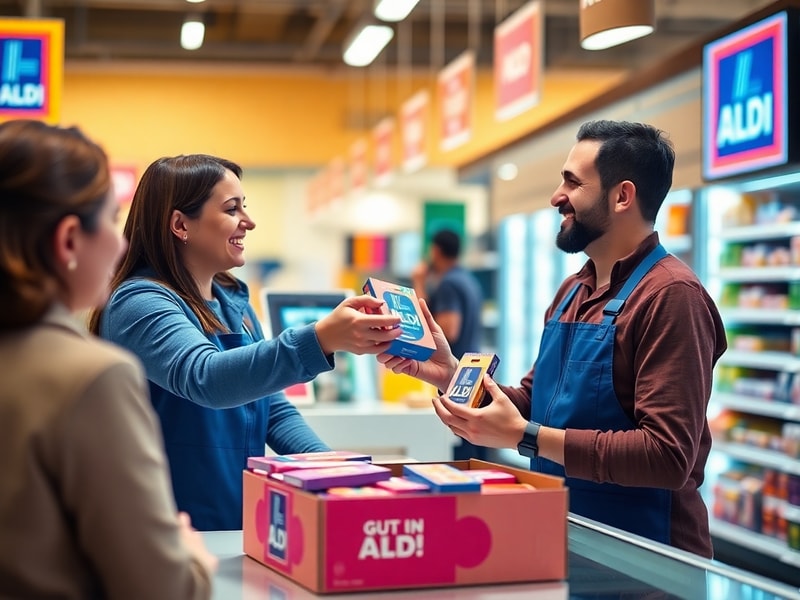
Why Aldi’s Blind Box Giveaway Is Taking Over the World
The Global Craze of Aldi Blind Boxes: What’s Behind the Giveaway Frenzy?
Blind boxes have evolved from a niche collectible trend into a full-blown cultural phenomenon, and Aldi’s latest giveaway is proving just how powerful—and lucrative—they’ve become. The German discount supermarket chain recently launched a promotion offering blind boxes containing mystery items, sparking a wave of excitement across Europe, Australia, and even parts of North America. But why are these unassuming boxes generating so much buzz?
The answer lies in a perfect storm of nostalgia, gamification, and social media amplification. Unlike traditional retail promotions, blind boxes tap into the human desire for surprise and discovery. Shoppers aren’t just buying a product; they’re buying the thrill of the unknown. For Aldi, this strategy isn’t just about clearing inventory—it’s a masterclass in consumer engagement.
What makes Aldi’s approach particularly intriguing is its global reach. While blind boxes have long been popular in Asia—especially in Japan, where capsule toys date back to the 1960s—they’ve only recently gained mainstream traction in Western markets. Aldi’s giveaway, however, has accelerated this trend, proving that the concept resonates universally. Whether it’s a limited-edition toy, a quirky kitchen gadget, or even a branded item, the allure of the unknown is hard to resist.
The Psychology Behind the Blind Box Appeal
At its core, the blind box phenomenon is rooted in behavioral psychology. The uncertainty principle triggers dopamine release in the brain, creating a sense of anticipation that keeps consumers coming back. This is why blind boxes are often compared to gambling—minus the risk of financial loss. For Aldi, this means customers are more likely to make repeat purchases, hoping to complete a set or snag a rare item.
Another key factor is the social aspect. Blind boxes are inherently shareable. Unboxing videos, unboxing challenges, and trading communities have flourished online, turning a simple purchase into a social event. Platforms like TikTok and Instagram thrive on this kind of content, where users document their finds and compare collections. Aldi’s promotion has only amplified this effect, with shoppers eagerly posting their haul and speculating about what’s inside.
The appeal also extends beyond collectors. For families, blind boxes offer an affordable way to introduce children to the concept of surprise and reward. For adults, they provide a playful escape from the monotony of routine shopping. This versatility is part of what makes Aldi’s giveaway so effective—it doesn’t cater to just one demographic but instead casts a wide net.
Aldi’s Strategic Move in the Global Market
Aldi isn’t the first retailer to experiment with blind boxes, but its approach is uniquely disruptive. Unlike luxury brands that sell blind boxes as premium collectibles, Aldi’s promotion is accessible to nearly everyone. By offering mystery items at low prices, the supermarket chain has democratized the trend, making it inclusive rather than elitist.
This strategy aligns perfectly with Aldi’s business model. Known for its no-frills, high-efficiency approach, the company has always prioritized value over flashy marketing. Yet, by embracing blind boxes, Aldi has shown it can adapt to modern consumer tastes without abandoning its core principles. The promotion also serves as a clever way to drive foot traffic, as shoppers return multiple times in hopes of completing a set or finding a rare item.
Globally, Aldi’s blind box giveaway has been met with enthusiasm, but it hasn’t been without challenges. In some markets, demand has far outstripped supply, leading to frustration among shoppers. In others, the promotion has sparked debates about sustainability, as single-use packaging and disposable items raise environmental concerns. These issues highlight the dual-edged nature of blind box culture—while it excites consumers, it also forces retailers to confront the ethical implications of their strategies.
Despite these challenges, Aldi’s experiment underscores a broader shift in retail. Consumers today crave experiences over ownership, and blind boxes deliver just that. They’re not just about acquiring an object; they’re about the journey—the hunt, the reveal, and the sharing. For a brand like Aldi, this is a golden opportunity to deepen customer loyalty while staying ahead of trends.
How to Play the Blind Box Game Without Losing Your Shirt
If you’re tempted to dive into the world of blind boxes, whether through Aldi’s promotion or another retailer’s offer, it’s wise to approach it strategically. Blind boxes can be addictive, and impulse buys can quickly add up. Here’s how to enjoy the experience without overspending:
- Set a budget: Decide in advance how much you’re willing to spend and stick to it. Blind boxes are designed to make you feel like you’re getting a deal, but the costs can spiral if you’re not careful.
- Research the odds: Some retailers disclose the probability of receiving rare items, while others keep it a mystery. If you’re after a specific item, do a quick search to see if it’s worth the gamble.
- Trade instead of buying: Many blind box communities allow members to trade duplicates, reducing the need to purchase multiple boxes to complete a set.
- Resell with caution: If you’re hoping to flip rare items, be aware that the secondary market can be volatile. Not all collectibles appreciate in value, and fees on resale platforms can eat into profits.
For parents, blind boxes can be a fun way to engage children, but it’s important to set boundaries. Encourage kids to focus on the joy of the reveal rather than the accumulation of items. After all, the best blind box experiences are about the thrill, not the stuff.
If you’re looking for inspiration beyond Aldi’s promotion, consider exploring other blind box trends. Some retailers now offer themed boxes, such as food-themed or sports-related surprises, catering to niche interests. Others have introduced eco-friendly alternatives, using recycled materials or reusable containers to address sustainability concerns.
The Future of Blind Boxes: Trends and Predictions
The blind box phenomenon shows no signs of slowing down. As retailers continue to experiment with the format, we can expect to see even more creative implementations. Augmented reality (AR) could play a role, allowing shoppers to preview items digitally before purchasing. Subscription services might also expand, offering curated blind box deliveries tailored to individual preferences.
Yet, the future of blind boxes isn’t without its critics. As the trend grows, so too do concerns about consumerism and waste. Retailers will need to balance innovation with responsibility, ensuring that the excitement of blind boxes doesn’t come at too high a cost to the planet or shoppers’ wallets.
For now, Aldi’s giveaway stands as a testament to the enduring appeal of surprise and discovery. In a world where instant gratification is the norm, blind boxes offer something rare—a moment of genuine anticipation. Whether you’re a seasoned collector or a curious newcomer, there’s never been a better time to take a chance on the unknown.
The real question isn’t whether blind boxes will continue to captivate audiences, but how retailers will rise to the challenge of keeping the experience fresh, fair, and sustainable. One thing is certain: the blind box craze is far from over.