Halland: Sweden’s Hidden Gem Blending Tradition and Modernity
Nestled along Sweden’s southwestern coast, Halland is a region that often flies under the radar despite its rich cultural heritage and thriving local economy. Bordered by Skåne to the south, Västra Götaland to the north, and the Kattegat strait to the west, Halland offers a unique blend of sandy beaches, lush farmland, and historic towns. Unlike more tourist-heavy regions like Stockholm or Gothenburg, Halland retains an authentic charm, where visitors can experience Sweden’s quieter side without sacrificing modern amenities.
The area’s strategic location has shaped its identity over centuries. From Viking settlements to medieval trade routes, Halland has long been a crossroads of cultures. Today, it stands out as a region where tradition and innovation coexist seamlessly. Whether it’s the preserved 17th-century fortifications of Halmstad or the cutting-edge research at the University of Halmstad, Halland proves that progress and preservation can go hand in hand.
The Historical Layers of Halland
Halland’s history is a tapestry woven with threads of conflict, trade, and resilience. The region was repeatedly contested between Denmark and Sweden during the medieval and early modern periods, leaving behind a legacy of castles and fortresses. One of the most notable is the Hallandale fortress in Halmstad, a testament to the region’s strategic importance.
By the 17th century, Sweden had secured Halland, and the region began to flourish as a hub for agriculture and trade. The town of Laholm, with its well-preserved medieval layout, offers a glimpse into this era. Meanwhile, the coastal town of Falkenberg became known for its herring trade, a cornerstone of Halland’s economy for generations. The region’s agricultural roots run deep, with Halland producing some of Sweden’s finest dairy, grains, and berries.
In the 20th century, Halland transitioned from a rural economy to a more diversified one. The establishment of the University of Halmstad in 1983 marked a turning point, bringing research, technology, and youthful energy to the region. Today, Halland is home to a growing tech sector, with companies specializing in cleantech, IT, and life sciences making their mark on the national stage.
Natural Beauty and Outdoor Adventures
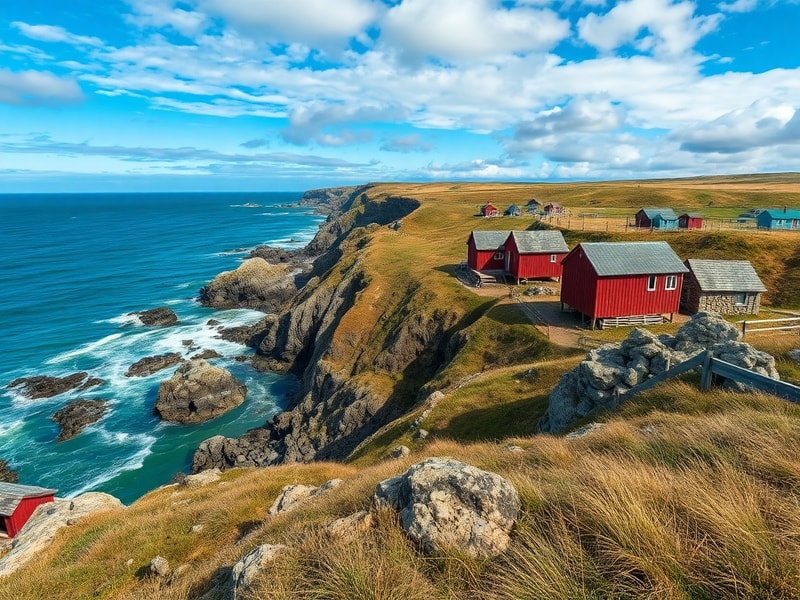
Halland’s landscape is as diverse as it is picturesque. The region boasts over 300 kilometers of coastline, dotted with sandy beaches, rugged cliffs, and serene archipelagos. The Tylösand beach, just outside Halmstad, is one of Sweden’s most popular coastal destinations, known for its golden sands and vibrant summer atmosphere. Nearby, the Kullaberg Nature Reserve offers hiking trails, sea caves, and breathtaking views of the Kattegat, making it a paradise for outdoor enthusiasts.
Inland, Halland’s countryside is a patchwork of rolling hills, dense forests, and crystal-clear lakes. The Nissan River, which flows through the region, provides opportunities for kayaking, fishing, and scenic riverside walks. For those interested in wildlife, the Söderåsen National Park, though technically located in neighboring Skåne, is easily accessible and home to rare species like the black stork and Eurasian lynx.
Halland’s commitment to sustainability is evident in its outdoor spaces. The region has invested heavily in eco-friendly tourism, with many campsites and hotels earning green certifications. Local initiatives promote responsible hiking, cycling, and beachgoing, ensuring that Halland’s natural beauty remains intact for future generations.
Cultural Highlights and Local Flavors
Culturally, Halland is a region of contrasts, where medieval charm meets contemporary creativity. The Halmstad Group, a collective of artists active in the early 20th century, left an indelible mark on the region’s artistic identity. Their work, characterized by bold colors and abstract forms, can still be seen in Halmstad’s museums and public spaces.
Foodies will find Halland’s culinary scene equally compelling. The region is famous for its seafood, particularly herring, which is prepared in countless ways—pickled, fried, or served in a creamy sauce. Local markets, such as the one in Falkenberg, showcase fresh produce, artisanal cheeses, and homemade preserves. For a taste of Halland’s modern gastronomy, restaurants like Salt & Sill in Gothenburg’s archipelago (just a short trip from Halland) offer innovative seafood dishes that highlight the region’s coastal bounty.
Halland also hosts a variety of festivals and events throughout the year. The Halmstad Beach Festival draws crowds with live music and beach activities, while the Laholm Art Week celebrates local and international artists. These gatherings reflect the region’s vibrant community spirit and its ability to blend tradition with contemporary culture.
Economic Growth and Future Prospects
Halland’s economy has evolved significantly in recent decades. While agriculture and fishing remain important, the region has diversified into sectors like technology, education, and renewable energy. The University of Halmstad plays a crucial role in this transition, fostering innovation and entrepreneurship. Startups in cleantech and IT are flourishing, supported by local incubators and government grants.
Infrastructure improvements have also bolstered Halland’s appeal. The E6 motorway and railway lines connect the region to major Swedish cities, while the nearby Gothenburg Landvetter Airport provides international access. These developments have made Halland an attractive destination for remote workers and businesses alike.
Looking ahead, Halland is poised for continued growth. The region’s focus on sustainability aligns with global trends, positioning it as a leader in green technology and eco-friendly tourism. Additionally, Halland’s proximity to Denmark—just a short drive across the Øresund Bridge—opens doors for cross-border collaboration in trade, education, and culture.
The following key points highlight Halland’s strengths and opportunities:
- Strategic Location: Proximity to major cities, airports, and international borders enhances connectivity.
- Economic Diversification: A shift from traditional industries to tech, education, and cleantech is driving growth.
- Cultural Richness: A blend of history, art, and food creates a unique regional identity.
- Natural Appeal: Diverse landscapes and sustainable tourism initiatives attract nature lovers.
- Innovation Hub: The University of Halmstad and local startups foster a dynamic business environment.
A Region Worth Discovering
Halland may not be the first destination that comes to mind when planning a trip to Sweden, but that’s precisely what makes it special. It’s a region where visitors can slow down, explore at their own pace, and uncover hidden gems without the crowds. Whether it’s strolling through Laholm’s cobblestone streets, sampling fresh seafood by the coast, or hiking through Kullaberg’s dramatic landscapes, Halland offers an experience that feels both timeless and refreshingly modern.
For Swedes and international travelers alike, Halland represents the best of what smaller regions can offer: authenticity, innovation, and a deep connection to the land. As the world becomes increasingly urbanized, places like Halland remind us of the value of preserving local cultures and embracing sustainable growth. It’s a region that doesn’t just cater to tourists; it invites them to become part of its story.
As Halland continues to develop, it serves as a model for other regions seeking to balance progress with preservation. Its success lies not in grand gestures but in the quiet, consistent efforts to improve quality of life while staying true to its roots. In a time when so much of the world feels homogenized, Halland stands out as a testament to the beauty of regional identity.
For those willing to venture off the beaten path, Halland is more than just a stopover—it’s a destination worth lingering in.