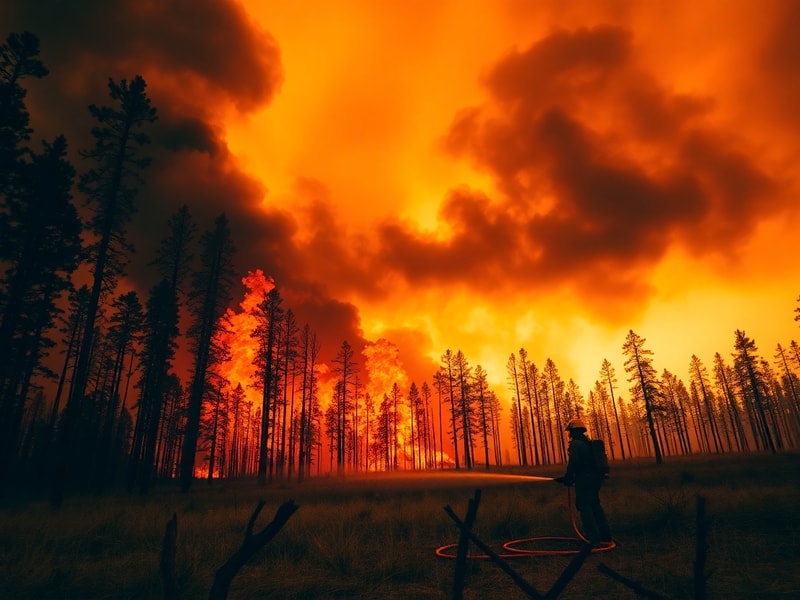
Understanding Fire Weather Watches: Risks and Preparedness Tips
As wildfires intensify across the western United States and other fire-prone regions, the National Weather Service (NWS) increasingly issues Fire Weather Watches to alert communities before conditions turn dangerous. These watches serve as early warnings, giving firefighters, land managers, and residents precious time to prepare. But what exactly triggers a Fire Weather Watch, and why have they become more frequent in recent years?
What is a Fire Weather Watch?
A Fire Weather Watch is issued by the NWS when forecasted weather conditions could lead to extreme fire behavior within the next 24 to 72 hours. Unlike a warning, which signals imminent danger, a watch is a proactive alert. It means the ingredients for rapid fire spread—low humidity, strong winds, dry vegetation, and high temperatures—are expected to align.
These watches often precede Red Flag Warnings, which indicate conditions are already occurring or imminent. The distinction matters because watches give communities a buffer to implement fire prevention strategies, such as restricting outdoor burning or mobilizing emergency crews.
Key Conditions That Trigger a Fire Weather Watch
Several meteorological and environmental factors must converge to warrant a watch. The NWS evaluates each element carefully before issuing an alert. Below are the primary conditions that typically lead to a Fire Weather Watch:
- Low Relative Humidity: Humidity levels below 25% dry out vegetation, turning it into kindling for wildfires.
- Strong Winds: Sustained winds of 20 mph or greater, or gusts exceeding 35 mph, can rapidly spread flames.
- High Temperatures: Heatwaves exacerbate drought conditions, increasing the flammability of grasses, shrubs, and trees.
- Dry Lightning: Thunderstorms without significant rainfall can ignite fires through lightning strikes.
- Drought Conditions: Prolonged dry spells leave soil and plant life parched, creating ideal fire conditions.
The combination of these factors doesn’t just increase the risk of ignition—it can turn a small fire into an uncontrollable inferno within hours. For example, during the 2020 August Complex Fire in California, a combination of high winds, low humidity, and dry vegetation allowed the blaze to burn over a million acres.
The Broader Implications of Fire Weather Watches
Fire Weather Watches are more than just weather alerts; they reflect deeper shifts in climate and land management. As global temperatures rise, the frequency and intensity of fire-prone conditions are expected to escalate. According to a 2023 report by the Science section, the western U.S. has seen a 20% increase in fire weather days since 1979.
These watches also highlight the strain on emergency response systems. Firefighting agencies, such as Cal Fire, often operate at full capacity during peak fire season. A Fire Weather Watch signals the need for additional resources, including aircraft for water drops and crews from other states. The economic toll is staggering, with wildfire suppression costs exceeding $2 billion annually in the U.S.
Beyond the immediate threat, fire weather conditions contribute to long-term environmental damage. Wildfires release massive amounts of carbon dioxide, exacerbating climate change. They also destroy habitats, leading to biodiversity loss. For instance, the 2021 Dixie Fire in California scorched over 960,000 acres, including critical habitats for the endangered California spotted owl.
How Communities Can Prepare
While Fire Weather Watches provide critical warnings, preparedness is key to minimizing damage. Residents in high-risk areas should take proactive steps before a watch escalates to a warning. Below are essential actions to reduce fire risks:
- Create Defensible Space: Clear vegetation within 30 feet of homes and maintain a lean, clean, and green zone around properties.
- Review Evacuation Plans: Know multiple escape routes and establish a meeting point for family members.
- Prepare Emergency Kits: Include water, medications, important documents, and a battery-powered radio.
- Monitor Local Alerts: Sign up for emergency notifications through local agencies like the News updates on Dave’s Locker.
- Avoid Outdoor Activities: During a watch, postpone activities like campfires, target shooting, or yard work that could spark a fire.
Local governments also play a crucial role. In recent years, some communities have adopted fire-resistant building codes, such as requiring non-combustible roofing materials. Others have invested in controlled burns to reduce fuel loads before fire season begins. These strategies not only protect lives but also save millions in potential damages.
Fire Weather Watches are a vital tool in the fight against wildfires, but they are only as effective as the actions taken in response. As climate change continues to intensify fire risks, both individuals and governments must adapt. Early warnings provide a lifeline, but preparedness determines survival.