Colombia vs DR Congo: A Clash of Footballing Worlds
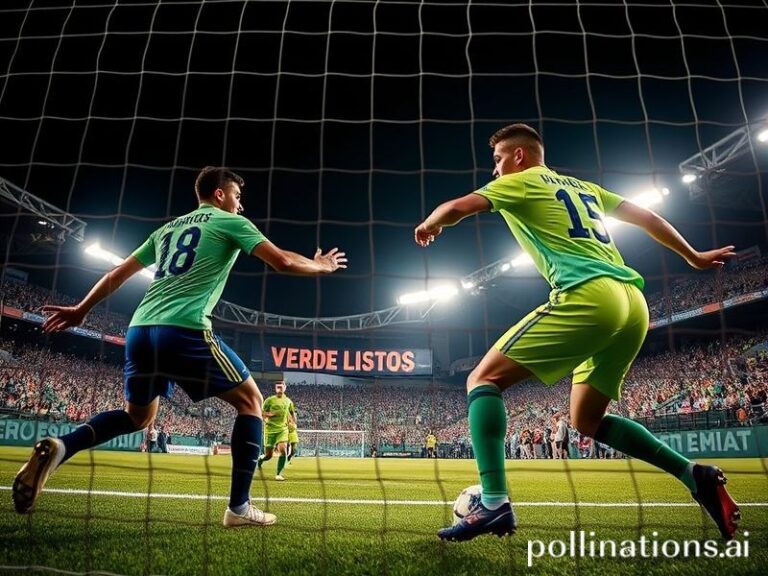
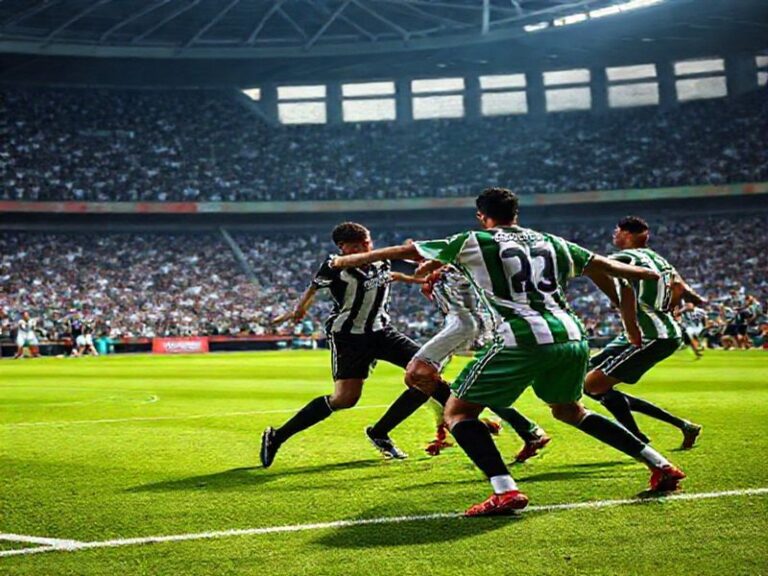
The recent Colombia vs DR Congo match in international football delivered more than just a scoreboard result—it offered a rare glimpse into the contrasting footballing philosophies shaping two football-crazy nations on opposite sides of the globe. While both countries share a deep passion for the game, their approaches to development, infrastructure, and competitive strategy could not be more different. Colombia, a nation with a storied history of technical flair and creativity, faced off against the Democratic Republic of the Congo, a rising force in African football driven by raw athleticism and tactical resilience.
Footballing Cultures: Tradition Meets Emergence
Colombia’s footballing identity is built on the legacy of players like Carlos Valderrama, James Rodríguez, and Radamel Falcao—artists who turned technique into spectacle. The Colombian national team is known for its fluid, possession-based style, often blending South American creativity with European tactical discipline. This philosophy is deeply rooted in the country’s youth academies, especially in cities like Medellín and Bogotá, where clubs like Atlético Nacional and Millonarios have long prioritized technical development.
By contrast, DR Congo represents the raw energy of African football. The Leopards, as the national team is known, thrive on speed, physicality, and relentless pressing. Their style is less about intricate build-up and more about explosive transitions—utilizing the natural athleticism of their players to overwhelm opponents. Historically, African teams have battled perceptions of being “physically gifted but technically limited,” but DR Congo is actively dismantling that narrative through improved coaching and structured youth programs.
This clash of styles is not just about aesthetics. It reflects broader trends in global football: the tension between tradition and innovation, between technical mastery and physical dynamism. While Colombia’s model emphasizes creativity and individual expression, DR Congo’s reflects a continent-wide shift toward tactical sophistication and sustainable player development.
Key Factors Behind the Matchup
The Colombia vs DR Congo fixture was more than a friendly—it was a strategic exchange. Here are the key elements that defined the encounter:
- Tactical Setup: Colombia lined up in a 4-3-3 formation, prioritizing midfield control through players like Luis Díaz and Mateus Uribe. DR Congo countered with a 3-5-2, using wing-backs to stretch play and counterattack from deep.
- Physicality vs Technique: Early in the match, DR Congo’s robust midfield duels disrupted Colombia’s rhythm, forcing turnovers that led to dangerous counterattacks.
- Set-Piece Threat: Both teams relied heavily on aerial dominance—Colombia through Davinson Sánchez, DR Congo through towering forwards like Dieumerci Mbokani.
- Substitutions as Game-Changers: Colombia’s substitutions in the second half introduced fresh legs and creativity, while DR Congo’s late changes aimed to preserve their defensive structure.
- Discipline and Adaptation: Colombia showed better adaptability, adjusting shape to control tempo, whereas DR Congo struggled to maintain intensity after losing key players to fouls.
While the final score favored Colombia, the match highlighted how far DR Congo has come. Their ability to impose themselves physically against a team ranked higher in FIFA standings signals a shift in African football’s competitive standing.
Broader Implications for Global Football
The Colombia vs DR Congo match is a microcosm of a larger transformation underway in international football. For decades, European and South American teams dominated the global stage with technical superiority. But today, teams from Africa and Asia are closing the gap through investment in youth academies, improved coaching standards, and greater exposure to high-level competition.
DR Congo’s performance is particularly significant given the challenges the country faces off the pitch—political instability, economic constraints, and limited infrastructure. Yet, their progress on the field is undeniable. The success of players like Chancel Mbemba and Samuel Mukiadi in European leagues has inspired a new generation of Congolese footballers, proving that talent can emerge even in the most difficult environments.
For Colombia, the match served as a reminder of the pressure to maintain their status as a footballing powerhouse. With a golden generation aging and new talents still emerging, the national team must balance tradition with modernization. The defeat to DR Congo in a recent friendly exposed vulnerabilities in defense and midfield transitions—areas that will require urgent attention ahead of major tournaments.
Beyond the pitch, such matches have economic and cultural ramifications. They boost tourism, attract sponsorships, and elevate national pride. In DR Congo, football is more than a sport—it’s a unifying force in a nation grappling with division and conflict. In Colombia, it remains a source of joy and identity, a cultural export that transcends borders.
From a tactical standpoint, the game reinforced the importance of hybrid systems—teams that blend South American creativity with African intensity are becoming increasingly difficult to beat. Coaches worldwide are taking note, integrating pressing triggers and positional play inspired by both regions.
What’s Next for Both Teams?
Colombia’s path forward includes a series of high-stakes qualifiers for the 2026 FIFA World Cup. With home advantage and a talented squad, expectations are high. However, the loss to DR Congo has sparked debates about squad depth and coaching continuity. Will Colombia revert to a more pragmatic approach, or double down on their traditional style?
For DR Congo, the focus is on consolidation. Their next goal is to qualify for the 2026 Africa Cup of Nations while continuing to develop players for European leagues. The match against Colombia was a statement—they are no longer just participants, but contenders with a clear identity.
Looking ahead, both nations will need to invest in grassroots football to sustain success. Colombia must nurture the next Valderrama or James, while DR Congo must build academies that can compete with the likes of Nigeria and Senegal. The future of global football depends on this kind of balanced growth—where talent is discovered and developed, regardless of geography.
The Colombia vs DR Congo match was more than a game. It was a snapshot of football’s evolving landscape, where tradition and emergence collide, where passion meets preparation, and where the beautiful game continues to write new chapters across continents.